Think of Inflation Like Stored Tension — Here’s Why Relief Takes Time

Key Takeaways Inflation is often discussed as a rate, but it behaves more like stored tension. When prices rise over time, pressure accumulates in household budgets. When inflation slows, that tension stops building—but it does not automatically release. This analogy helps explain why inflation relief often feels delayed. Prices reset higher during inflationary periods. Once … Read more


Why Markets React to Good News as Bad News — and Vice Versa

Key Takeaways Recent market behavior has puzzled many observers. Data showing economic strength has sometimes triggered selloffs, while softer data has been greeted positively. This apparent contradiction has become a recurring theme in financial coverage. The explanation lies in how markets interpret information. Markets do not react to data in isolation. They react to what … Read more

Why Strong Economic Growth Can Still Feel Fragile

Key Takeaways Recent economic data continues to show solid growth in the U.S. economy, challenging earlier expectations of a sharp slowdown. Output, employment, and consumer spending have all contributed to resilience that, on paper, signals strength. Yet this strength often feels fragile to households. The explanation lies in what growth measures—and what it does not. … Read more

Does Investing Still Make Sense in an Uncertain Market? Here’s What the Data Shows

Key Takeaways Periods of market uncertainty often prompt investors to question whether participation still makes sense. Volatility, shifting expectations, and mixed economic signals amplify hesitation. Historically, uncertainty has been a permanent feature of markets. Periods labeled as “uncertain” often coincide with long-term entry points, even if short-term performance varies. Data across decades shows that time … Read more

Think of Credit Approval Like a Filter — Here’s Why It’s Narrower Now

Key Takeaways Credit does not disappear when conditions tighten—it gets filtered. A useful way to understand current lending behavior is to think of credit approval as a filter rather than a switch. When economic uncertainty rises, lenders narrow the filter. Income stability, credit history, utilization, and debt levels are scrutinized more closely, even if rates … Read more

Why Auto and Home Insurance Costs Keep Rising Despite Cooling Inflation

Key Takeaways Auto and home insurance premiums continue to rise across much of the U.S., even as broader inflation measures cool. This disconnect reflects how insurance pricing works in practice. Insurers price risk based on claims history, repair costs, and exposure, not on headline inflation alone. Vehicle repairs, construction materials, labor, and climate-related damage have … Read more

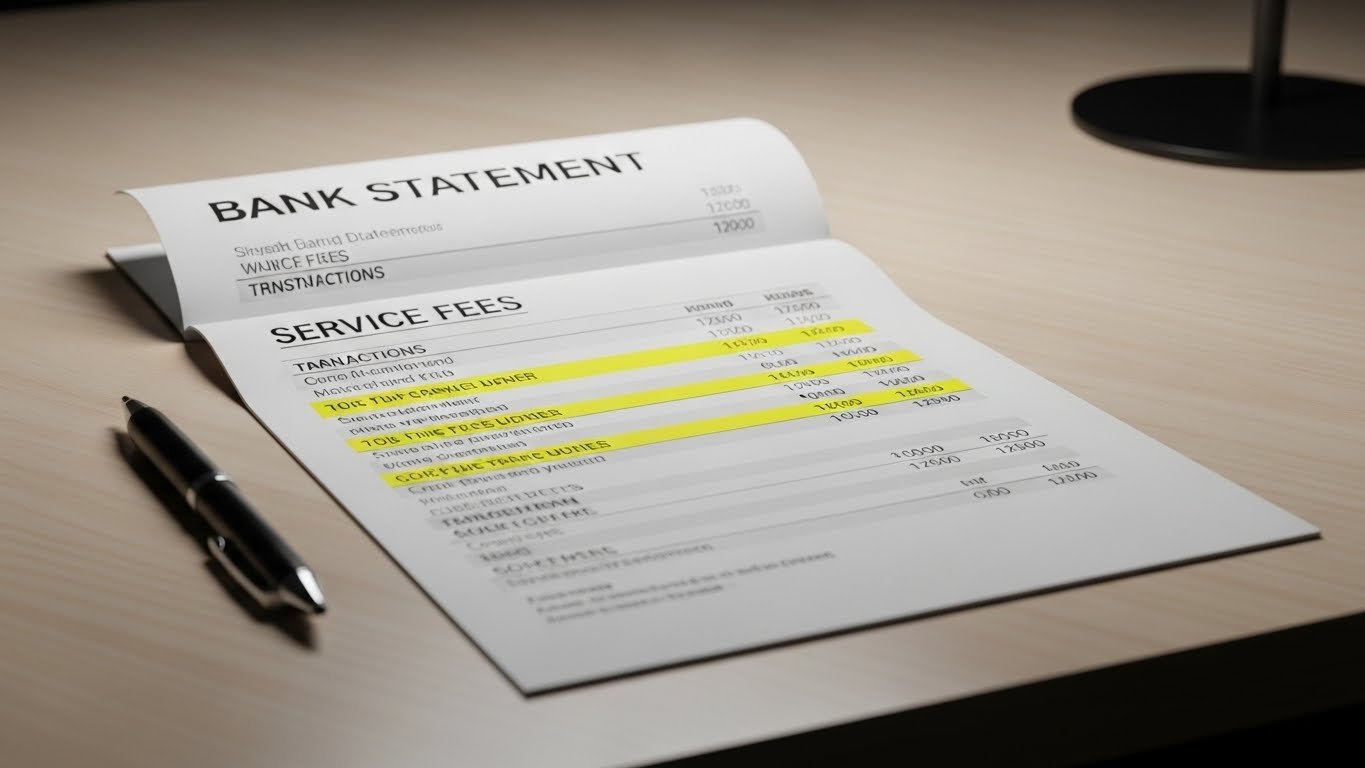
How Bank Fees Work — And Why They’re Back in Focus for Consumers

Key Takeaways Bank fees are a long-standing part of the U.S. financial system, covering services such as account maintenance, overdrafts, wire transfers, and foreign transactions. While digital banking reduced some friction over time, fees never disappeared. In the current environment, they have returned to focus as households become more sensitive to incremental costs. Banks price … Read more

Does a Slowing Economy Mean Fewer Opportunities? Here’s What the Data Shows

Key Takeaways As economic growth slows, many households worry that opportunities for advancement will shrink. Historically, slower growth does not eliminate opportunity, but it does change its nature. During rapid expansion, opportunities are broad and forgiving. During slower periods, they become more selective, rewarding stability, skills, and positioning. Hiring slows, job switching becomes harder, and … Read more

Think of Income and Costs Like Parallel Treadmills — Here’s Why

Key Takeaways Household finances increasingly resemble two parallel treadmills: one representing income, the other representing costs. Both are moving, but not necessarily in sync. When wages rise after a period of inflation, households often find themselves running faster just to keep pace. Income growth restores balance rather than creating surplus. This dynamic explains why progress … Read more

Why the Housing Market Still Feels Frozen Right Now

Key Takeaways Recent data shows that the housing market remains subdued, even without new interest rate increases. Sales volumes are low, inventory is tight, and both buyers and sellers appear hesitant. This standoff reflects a combination of financial and behavioral factors. Homeowners with low-rate mortgages are reluctant to sell and reset financing at higher rates. … Read more