Tax Refunds Are Taking Longer in 2026 — And Many Americans Are Feeling the Cash Squeeze

In 2026, many Americans are waiting longer than expected for their tax refunds. What was once a predictable cash infusion has become uncertain for a growing number of filers. This matters now because refunds are often used to pay down debt, cover essentials, or rebuild savings. When the timing slips, household budgets feel the pressure … Read more


Bank Fees and Limits Are Quietly Changing in 2026 — And Many Americans Are Paying More

In 2026, many Americans are noticing subtle changes in how their bank accounts work. Fees feel more frequent, limits tighter, and exceptions harder to get approved. This matters now because banking rules shape daily cash flow. When small limits and charges change, households feel the impact immediately. For millions, the cost isn’t obvious — but … Read more

Owning a Car Is Getting More Expensive in 2026 — Even If You Don’t Buy a New One

In 2026, many Americans are discovering that the cost of owning a car is rising—even without upgrading to a new model. This matters now because vehicle ownership is a fixed necessity for millions of households. When ongoing costs creep higher, flexibility in monthly budgets disappears quickly. For many drivers, the real expense isn’t the car—it’s … Read more

Interest Rates May Be “Stable” in 2026 — But Borrowing Still Costs Americans More

In 2026, interest rates may look stable on paper. For many Americans, however, borrowing money still feels expensive and restrictive. This matters now because households are making everyday decisions—cars, credit cards, small loans—based on financing costs that haven’t eased the way many expected. Millions of borrowers are discovering that “no rate hikes” does not mean … Read more

Why So Many Americans Feel Less Financially Secure in 2026 — Even Without a Recession

In 2026, a growing number of Americans say they feel financially less secure — even though the economy is not officially in recession. Jobs still exist, income is still flowing, yet confidence feels fragile. This matters now because financial behavior is driven as much by perception as by numbers. When households feel uneasy, they change … Read more

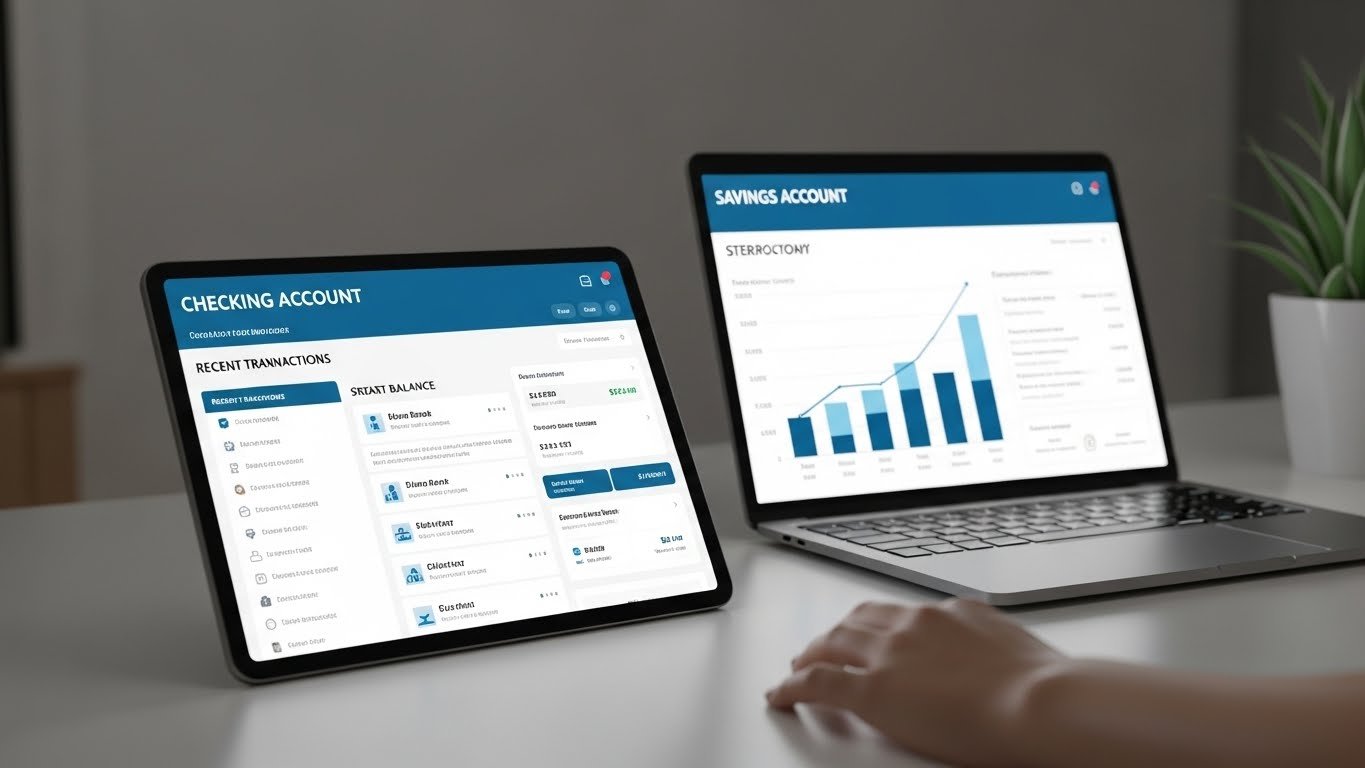
Where Americans Keep Their Money Is Changing in 2026 — Here’s Why Cash Decisions Feel Different

In 2026, American households are rethinking where their money lives. The traditional split between checking, savings, and investments is shifting as people look for better balance between liquidity, safety, and return. This matters now because cash placement affects daily flexibility and long-term outcomes. Small allocation choices can quietly shape financial resilience. Why Cash Decisions Feel … Read more

Early Retirement Plans Are Being Reconsidered in 2026 — Here’s What’s Changing for Americans

In 2026, the idea of retiring early is being reexamined by many Americans. Plans that once felt achievable are now facing new scrutiny as costs remain elevated and financial assumptions are adjusted. This matters now because retirement timing affects decades of savings, spending, and work decisions. When expectations shift, households reassess what’s realistic. Why Early … Read more

Americans Are Postponing Travel in 2026 — Here’s What’s Making Trips Harder to Justify

In 2026, many Americans are choosing to delay or downsize travel plans. Trips that once felt routine are being reconsidered as costs rise across transportation, lodging, and related expenses. This matters now because travel is one of the first discretionary categories to reflect shifts in household confidence. When families pause trips, it signals broader budget … Read more

More Americans Are Switching to Digital-First Banks in 2026 — Here’s What’s Driving the Move

In 2026, digital-first banks are becoming the primary financial home for a growing number of Americans. What began as secondary accounts is now turning into a full shift away from traditional branch-based banking for many households. This matters now because banking choices affect fees, access to credit, cash flow management, and how quickly people can … Read more

The Idea of a “Stable Job” Is Changing in 2026 — Here’s How Americans Are Adapting

In 2026, the definition of a stable job in the United States is evolving. For many workers, stability no longer means a single long-term employer, but a mix of income sources, flexible roles, and adaptable skills. This matters now because income predictability underpins nearly every financial decision. As work becomes more fluid, households are rethinking … Read more