Americans Are Canceling Subscriptions Faster in 2026 — Here’s What’s Driving the Pullback
In 2026, subscription fatigue is becoming more visible across the United States. Streaming services, digital platforms, and recurring memberships are being canceled at higher rates as households reassess monthly expenses. This matters now because subscriptions are designed to feel small individually. When costs rise quietly across multiple services, they can materially affect household budgets without … Read more

Medical Bills Are Arriving Later in 2026 — Here’s Why Americans Are Getting Surprised Months After Care

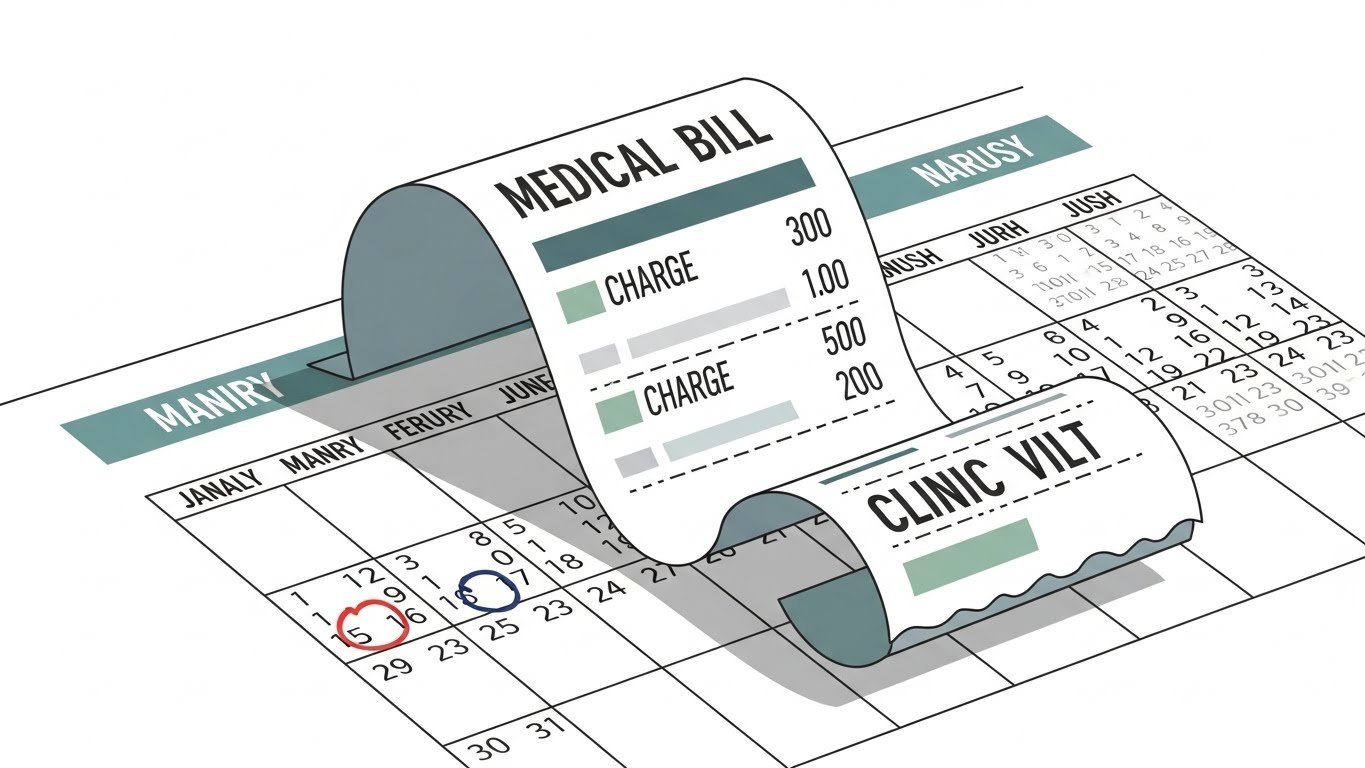
In 2026, many Americans are receiving medical bills weeks or even months after treatment. What once felt like a short billing cycle has become a prolonged and confusing process for patients trying to manage household finances. This matters now because delayed medical bills disrupt budgeting. Expenses that seem resolved often reappear later, creating unexpected financial … Read more

Americans Are Reworking Their Monthly Budgets in 2026 — Here’s What’s Forcing the Reset

In 2026, many American households are taking a closer look at their monthly budgets. Expenses that once felt predictable are changing quietly, pushing families to reassess how money flows in and out each month. This matters now because budgeting behavior often changes before broader economic indicators do. When households start recalibrating, it signals rising sensitivity … Read more

Americans Are Juggling Multiple Small Loans in 2026 — Here’s Why It’s Becoming Risky

In 2026, many American households are carrying several small loans at once. Individually, these balances look manageable. Together, they create a web of obligations that quietly strain monthly budgets. This matters now because short-term and installment lending has become easier to access — but harder to track. The cumulative effect often goes unnoticed until cash … Read more

Americans Are Scaling Back Investing Contributions in 2026 — Here’s What’s Behind the Shift

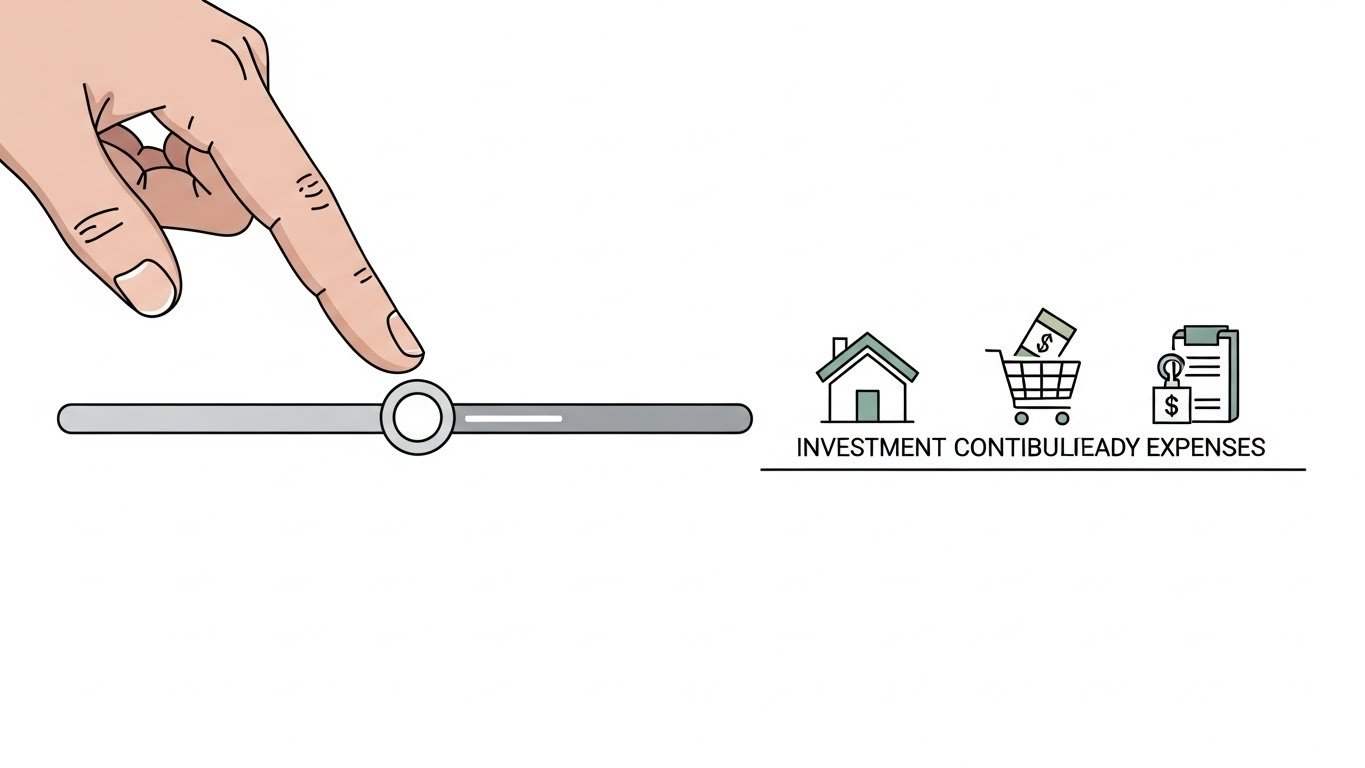
In 2026, a growing number of Americans are contributing less to investment accounts than they did in previous years. Retirement plans, brokerage accounts, and automatic investment programs are seeing slower inflows as households reassess priorities. This matters now because reduced investing can have long-term consequences for wealth building, even when short-term budgets feel under pressure. … Read more

High-Yield Savings Accounts Are Attracting More Americans in 2026 — Here’s Why

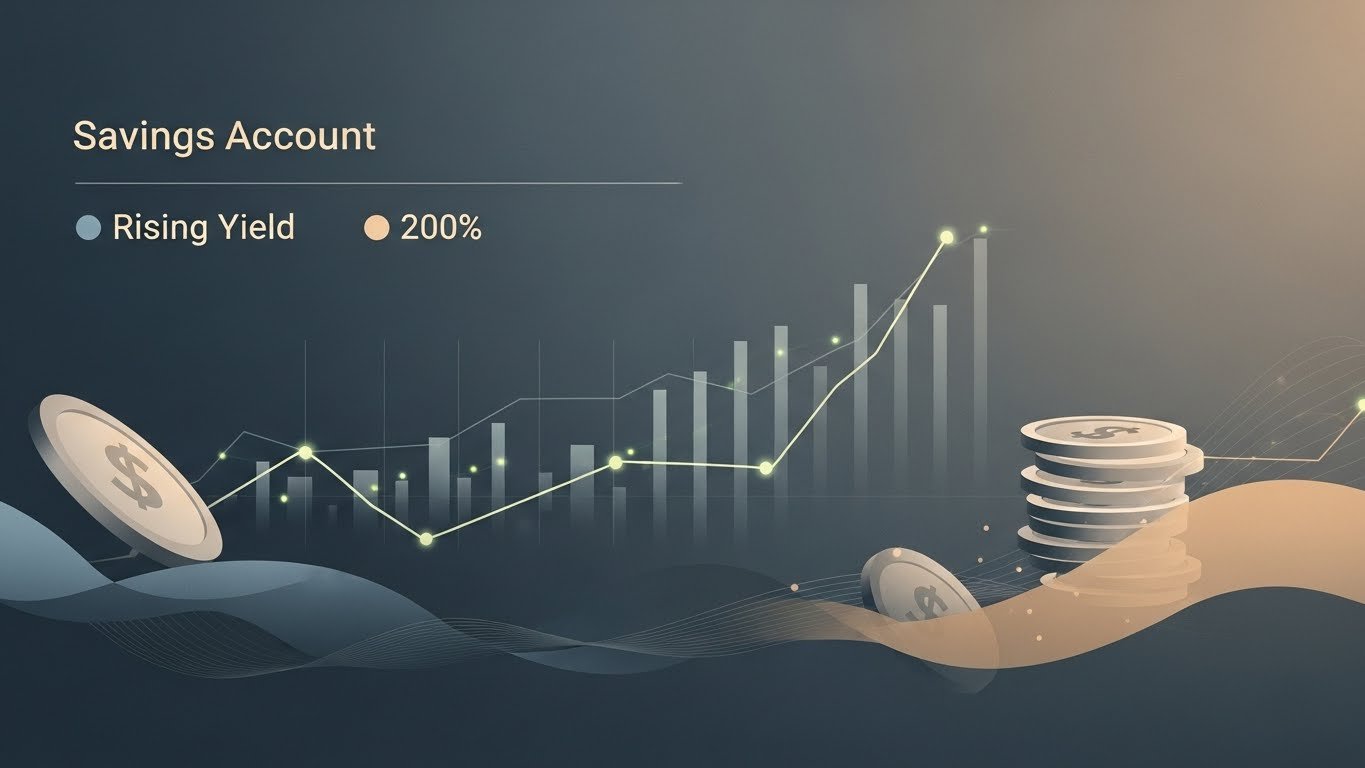
In 2026, high-yield savings accounts are drawing increased attention from U.S. households. After years of low returns on cash, savers are paying closer attention to where their money sits and how quickly yields can change. This matters now because higher balances are being held in cash. Small differences in savings rates can meaningfully affect household … Read more

Late Rent Payments Are Becoming More Common in 2026 — Here’s What’s Driving the Shift

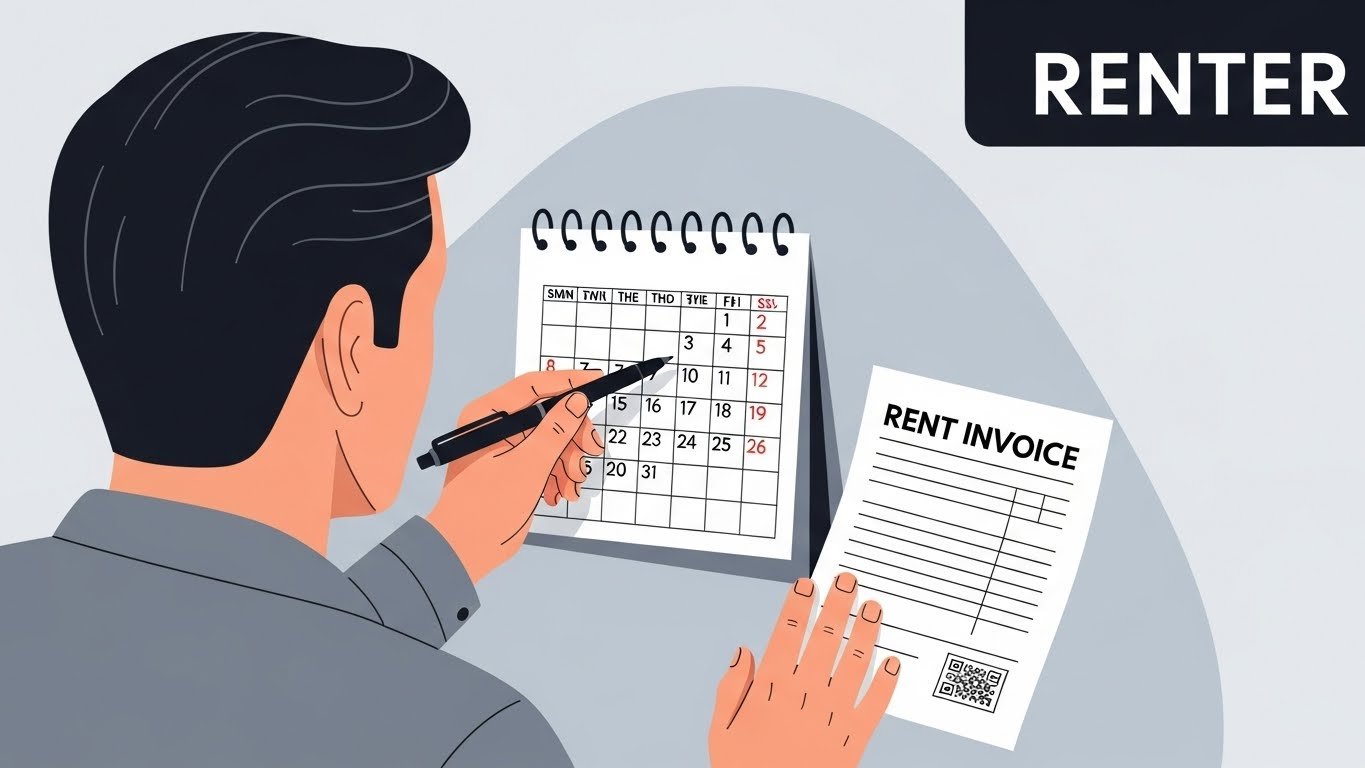
In 2026, late rent payments are becoming more frequent across the United States. Even households that were previously stable are struggling to keep up as housing costs continue to outpace income growth. This matters now because rent is the largest monthly expense for many American households. When payments slip, the effects ripple through credit, housing … Read more

Employer Retirement Plans Are Quietly Changing in 2026 — Here’s What Workers Should Know

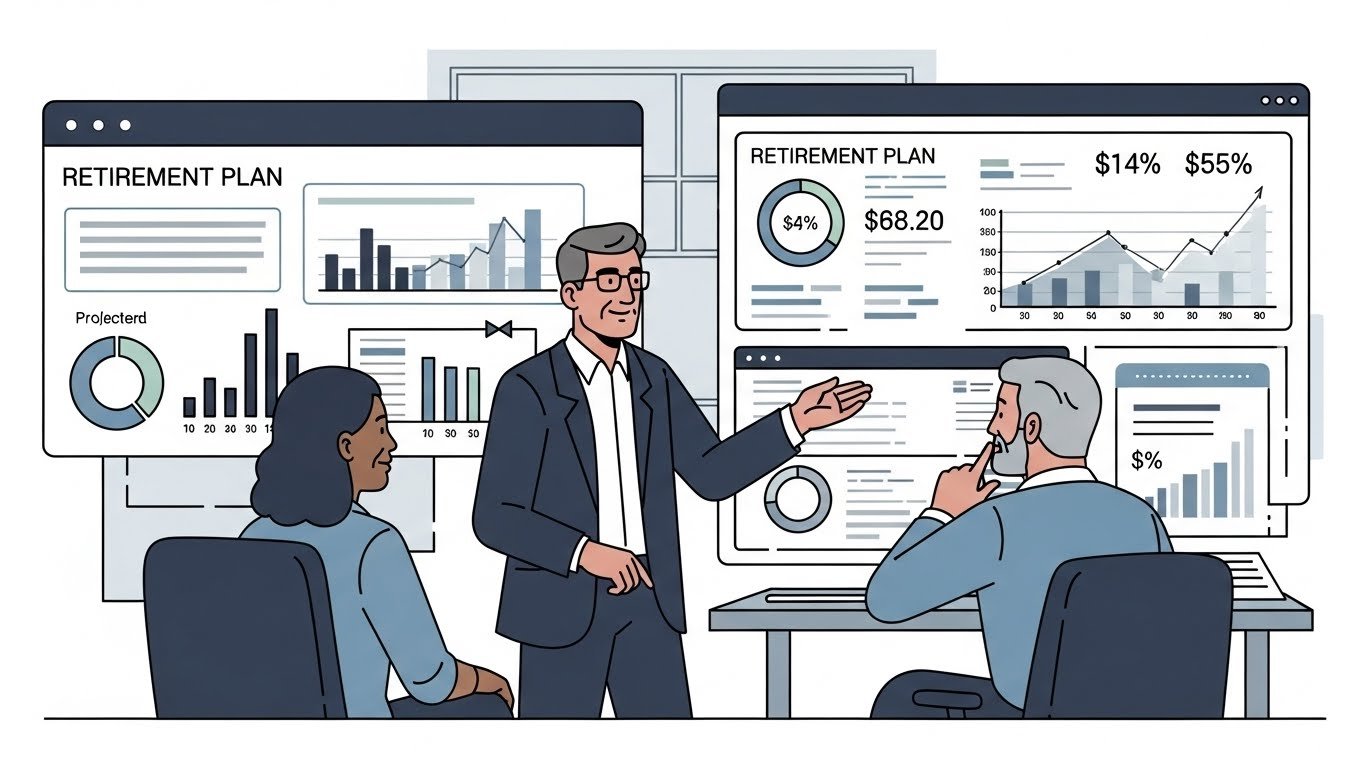
In 2026, employer-sponsored retirement plans across the United States are undergoing subtle but meaningful changes. Many workers are enrolled in plans that look familiar on the surface, yet operate differently than they did just a few years ago. This matters now because retirement outcomes depend heavily on plan structure. Small adjustments in contributions, defaults, and … Read more

Americans Are Keeping Their Smartphones Longer in 2026 — Here’s What Changed

In 2026, smartphone upgrade cycles in the United States are getting longer. Devices that were once replaced every two years are now being kept for three, four, or even five years by many consumers. This matters now because smartphones sit at the intersection of technology, consumer spending, and household budgeting. When Americans delay upgrades, it … Read more

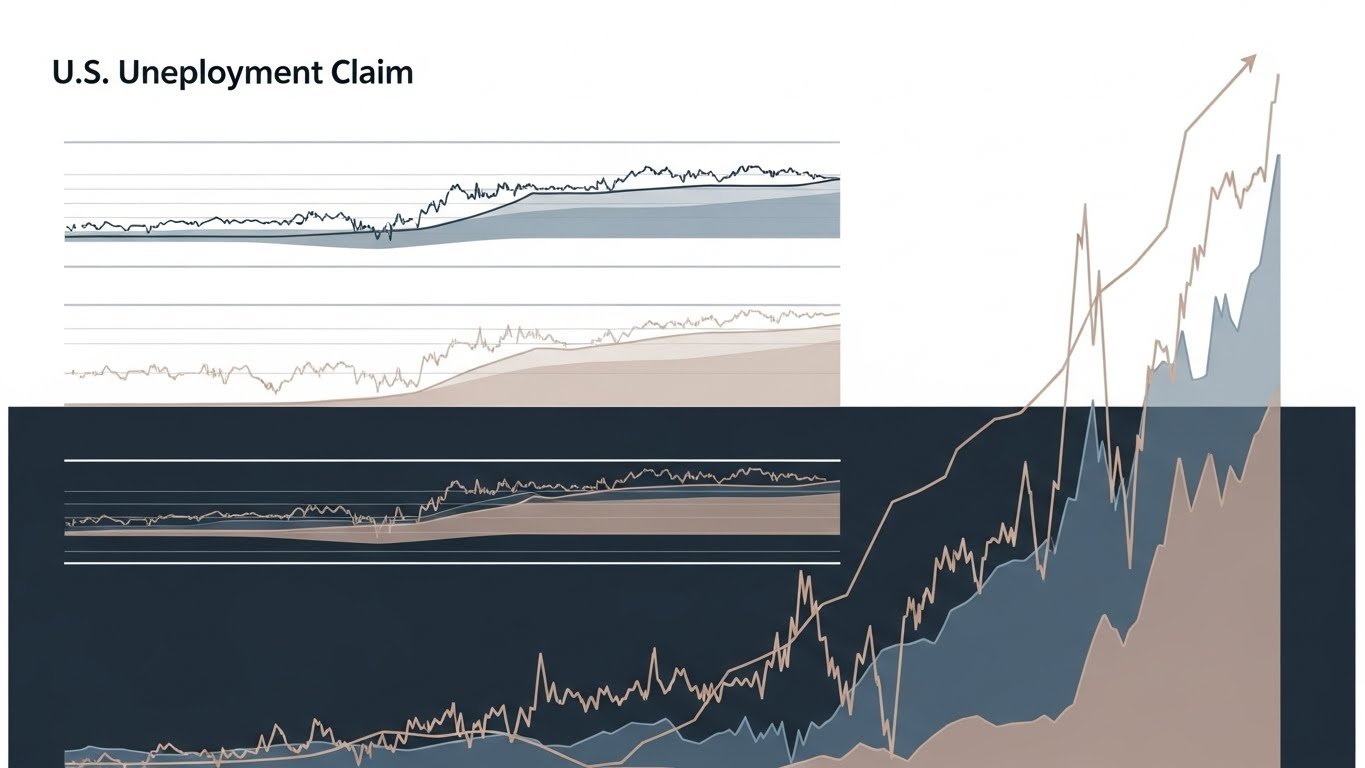
Unemployment Claims Look Mixed in 2026 — What the Numbers Actually Say About the Job Market

In 2026, weekly unemployment claims in the United States are sending mixed signals. Headlines often swing between optimism and concern, leaving many workers unsure about what the data really means. This matters now because job security influences spending, saving, and borrowing decisions. Understanding what’s behind the numbers helps American workers interpret risk more accurately. What … Read more