Why Interest Rates Still Shape Economic Decisions Right Now

Key Takeaways Even without recent changes, interest rates remain central to economic decision-making. Their effects persist long after the initial adjustment. Households and businesses continue adapting to higher borrowing costs, reassessing spending, saving, and investment decisions made under different conditions. This ongoing adjustment matters more than the rate level itself. Data across housing, credit, and … Read more


Is Rising Household Debt a Warning Sign? Here’s What the Data Shows

Key Takeaways Household debt has continued to rise, raising concerns about whether families are becoming overextended. The answer depends on where and why that debt is growing. Much of the increase reflects higher prices and the use of existing credit rather than aggressive borrowing. Mortgage balances, auto loans, and revolving credit each tell different stories. … Read more

Why Spending on Essentials Is Gaining New Attention Right Now

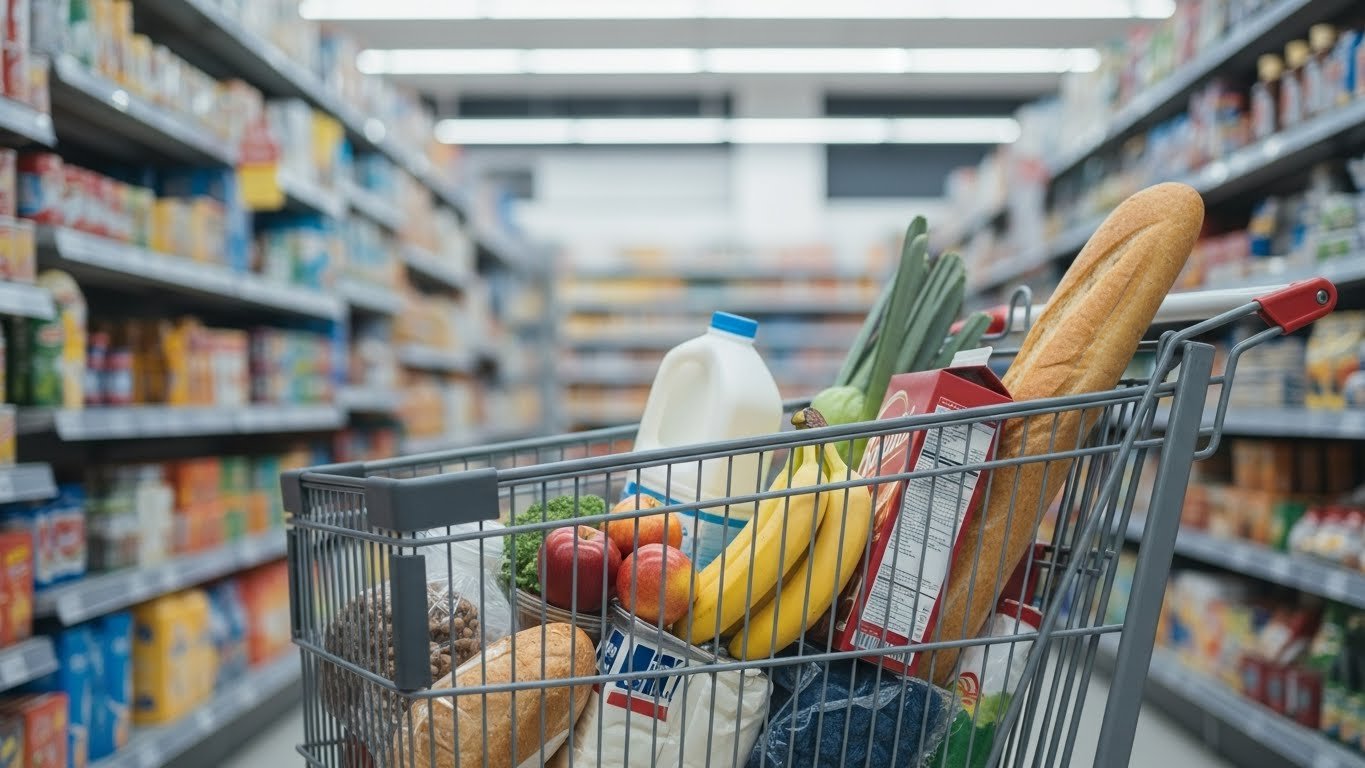
Key Takeaways Recent spending data has drawn renewed attention to how much of household budgets are being absorbed by essentials such as housing, food, energy, and insurance. While overall consumer spending remains resilient, the composition of that spending has shifted in recent months. A larger share of income is going toward non-negotiable expenses. This trend … Read more

What Is Credit Utilization — And Why It Matters in 2025

Key Takeaways Credit utilization refers to the share of available revolving credit that consumers are actively using. It is commonly associated with credit cards, but its implications extend beyond individual credit scores. In 2025, utilization has become more relevant as households rely more heavily on existing credit lines rather than opening new ones. This reflects … Read more

Are Consumers Actually Doing Fine? Here’s What the Data Shows

Key Takeaways Consumer spending continues to show resilience, leading to the perception that households are financially comfortable. The reality is more nuanced. Many families are maintaining spending by reallocating budgets, delaying savings, or relying more heavily on income flow. This supports activity without signaling comfort. Households facing higher essential costs feel this tradeoff most clearly. … Read more

Think of Savings Like Shock Absorbers — Here’s Why

Key Takeaways Savings function less like fuel and more like shock absorbers. They do not drive everyday movement, but they determine how smoothly households handle bumps along the way. When prices rise or unexpected expenses appear, families with savings absorb the impact with less disruption. Those without buffers feel every adjustment more sharply. This dynamic … Read more

Why the Personal Savings Rate Is Back in Focus

Key Takeaways Recent attention has returned to the U.S. personal savings rate, not because of a sudden drop, but due to its persistence at relatively low levels. In recent months, consumer spending has held up even as savings remain constrained. This combination has raised questions about how long households can sustain current patterns. Lower- and … Read more

What Is Household Liquidity — And Why It Matters in 2025

Household liquidity refers to how easily a family can cover expenses without borrowing or selling long-term assets. It focuses on cash, checking balances, and readily available savings rather than income alone. In 2025, this concept matters as employment remains solid while many households report limited financial buffers. The difference between earning and accessing funds has … Read more