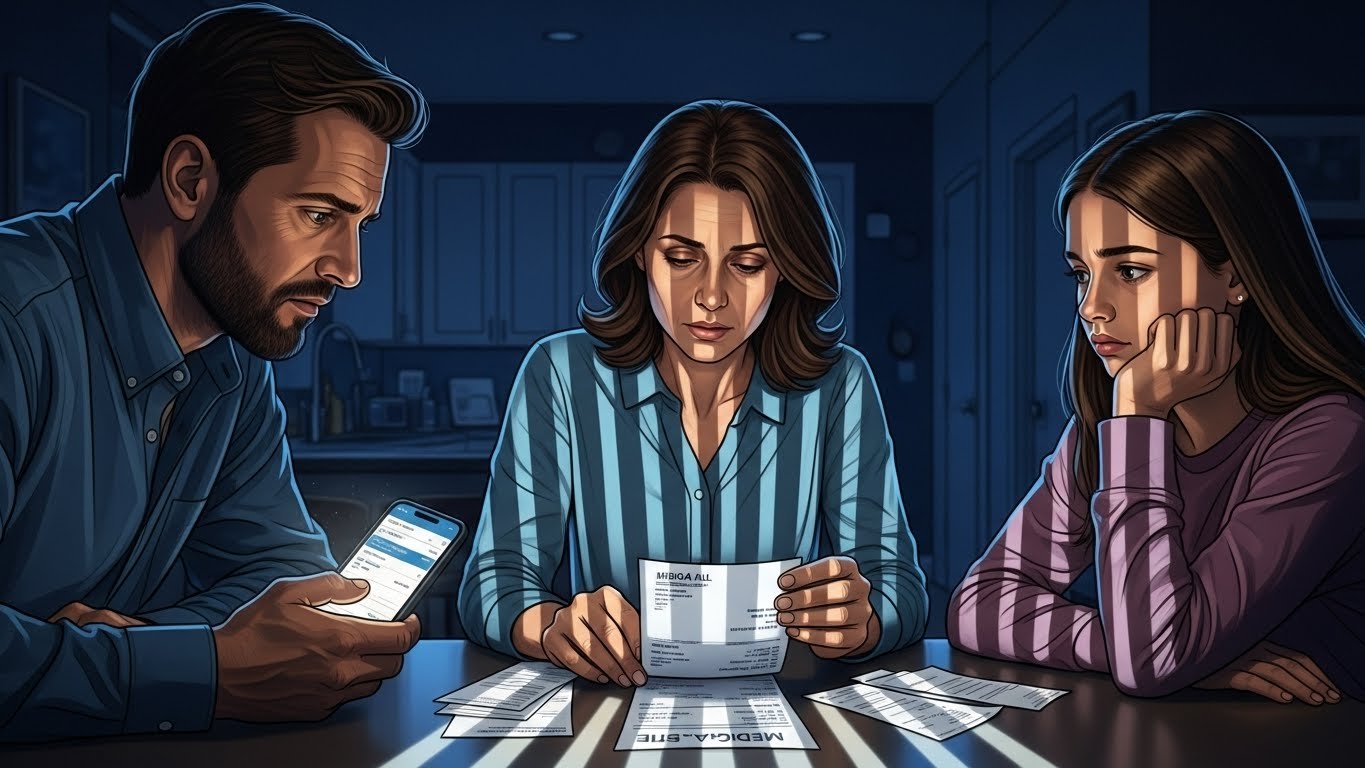
In 2026, many Americans are still being surprised by medical bills they didn’t expect. Even after insurance, charges often arrive weeks or months later, disrupting carefully planned budgets.
This matters now because healthcare costs remain one of the most unpredictable expenses for U.S. households. When bills appear late, they create financial stress that’s hard to plan around.
For millions, the issue isn’t access to care — it’s cost uncertainty.
Why Medical Bills Keep Arriving Late
Several structural issues slow billing:
- Multi-step insurance reviews
- Separate billing from providers and facilities
- Delays in claim adjustments
- Third-party billing services
Final balances often surface long after treatment.
How Insurance Contributes to Confusion
Insurance statements explain coverage, not final cost. Patients may see:
- Copays paid upfront
- Partial adjustments later
- Additional charges after reviews
The full picture emerges slowly.
Which Services Trigger the Most Surprises
Unexpected bills are most common with:
- Emergency room visits
- Out-of-network providers
- Diagnostic tests
- Hospital-based services
Complex care increases billing layers.
Who Is Most Affected
The burden falls heaviest on:
- Families with high-deductible plans
- Patients without clear cost estimates
- Households living paycheck to paycheck
Timing amplifies the impact.
How Surprise Bills Affect Financial Decisions
Late bills can force households to:
- Use credit cards
- Delay other payments
- Dip into savings
- Avoid follow-up care
Financial stress feeds health stress.
Why Transparency Still Falls Short
Despite reforms, pricing remains fragmented. Patients often lack:
- Clear upfront estimates
- Consolidated billing
- Simple explanations
Uncertainty persists.
What Americans Are Doing Differently
In response, many are:
- Tracking care manually
- Requesting cost estimates in advance
- Monitoring insurance portals closely
Awareness reduces surprises.
Why This Matters for Household Stability
Medical bills arriving late disrupt cash flow and confidence. Even manageable amounts feel heavier when unexpected.
What to Watch Next
Key signals include:
- Changes in billing timelines
- Insurance processing speed
- Growth in patient billing disputes
These show whether transparency improves.
Key Takeaway
In 2026, unexpected medical bills remain a financial wildcard. U.S. households that anticipate delays and cost uncertainty are better positioned to manage healthcare expenses without sudden shocks.