Article:
Key Takeaways
- Fixed payments feel heavier when income growth slows.
- Rates matter less than timing and cash flow.
- Debt pressure is about share of income, not totals.
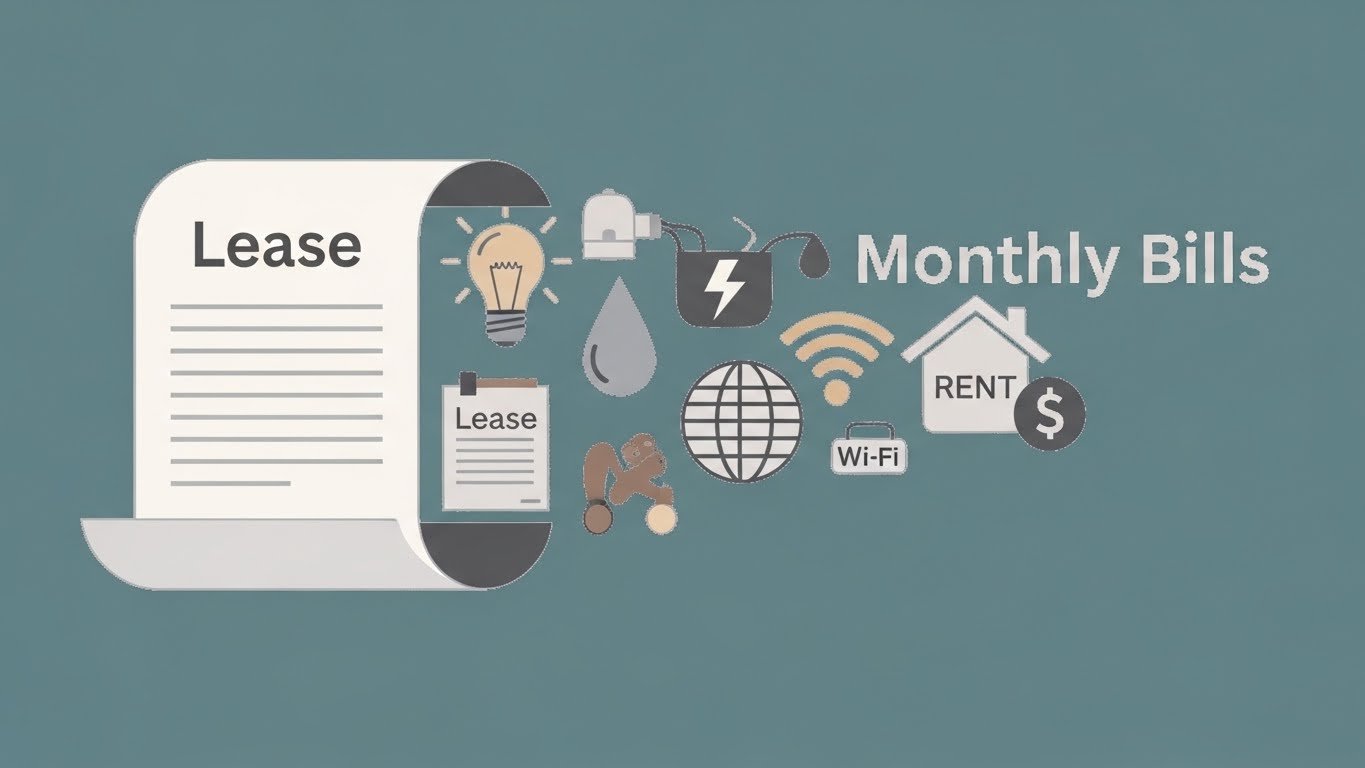
Think of household debt like a lease agreement. The payment stays the same, but your ability to afford it depends on what else changes around it.
This analogy helps explain why many households feel more strained even without taking on new debt. When wages grow slowly and prices stay elevated, fixed payments consume a larger share of income.
A common misunderstanding is focusing only on interest rates. In practice, cash flow timing and competing expenses shape how debt feels month to month.
Understanding this dynamic clarifies why financial stress can rise even in stable economic conditions.
Looking ahead, relief depends less on refinancing and more on income growth and expense normalization.