
Key Takeaways
- Disposable income reflects what households can actually spend or save.
- It differs from wages and headline income figures.
- Recent trends help explain shifts in consumer behavior.
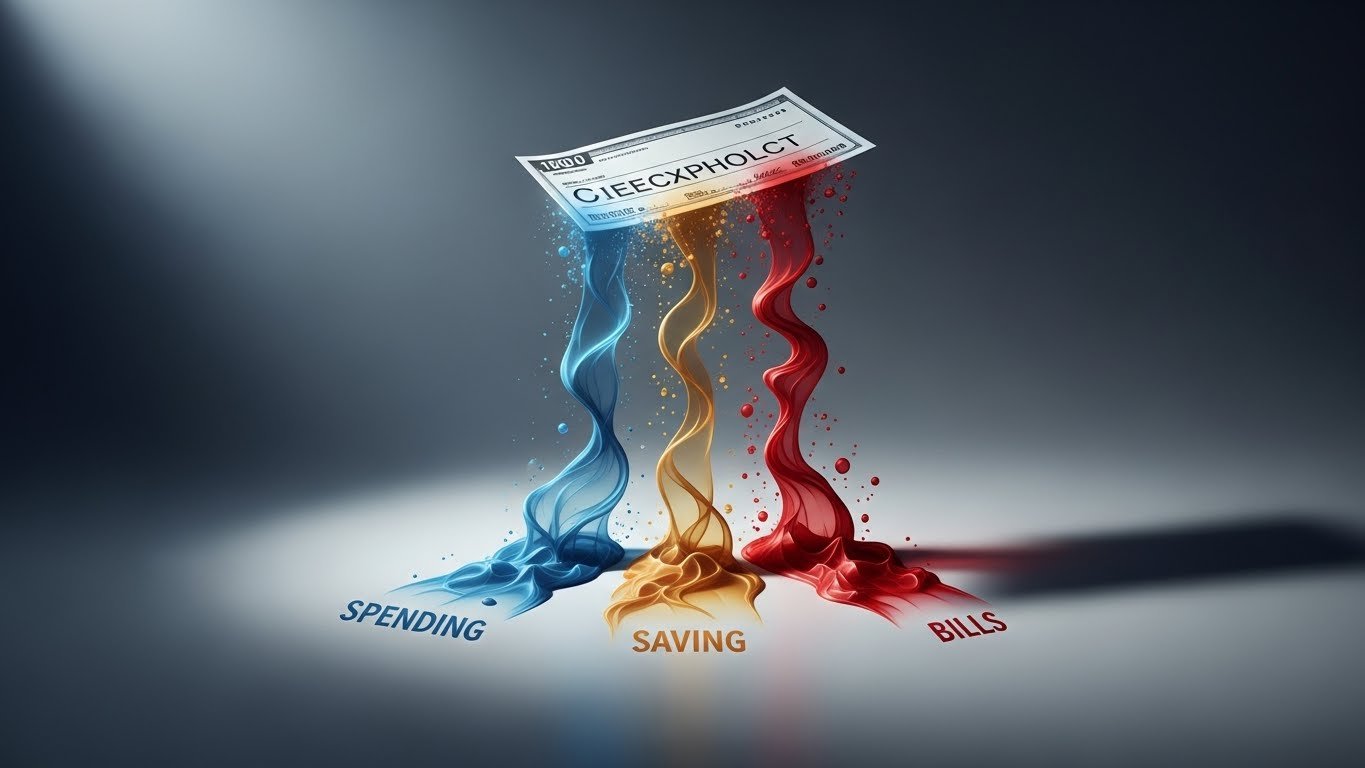
Disposable income refers to the amount of money households have available after paying federal, state, and local taxes. Unlike gross income, it captures what families can actually use for spending, saving, or debt repayment.
The concept matters now because consumer resilience has become a central question in 2025. While employment remains relatively strong, rising taxes, higher insurance premiums, and elevated interest costs have altered how much income is truly available.
In practice, disposable income is shaped by multiple forces. Wage growth increases it, while taxes, benefit changes, and mandatory expenses reduce it. Inflation also plays a role by affecting how far each dollar goes, even if nominal income rises.
For households, changes in disposable income influence everyday decisions — from discretionary purchases to savings contributions. When growth slows, spending becomes more selective, even if job security remains intact.
Businesses track disposable income trends to anticipate demand. Policymakers monitor it to assess whether economic growth is translating into improved living standards.
In 2025, disposable income has grown unevenly across income groups. Some households benefit from wage gains and stable costs, while others see limited improvement due to higher fixed expenses.
Looking ahead, disposable income trends will remain a key lens for understanding whether consumer spending can sustain broader economic momentum