
Key Takeaways
- The PCE index measures consumer spending and prices.
- It differs from CPI in scope and weighting.
- Policymakers rely on it to assess inflation trends.
The Personal Consumption Expenditures (PCE) index is a measure of consumer spending and prices that plays a central role in U.S. economic analysis. It tracks how much households spend and how prices change across a broad range of goods and services.
The index matters now because it is the Federal Reserve’s preferred gauge of inflation. While CPI often captures headlines, PCE provides a more comprehensive view of consumption patterns and price dynamics, making it critical for policy decisions.
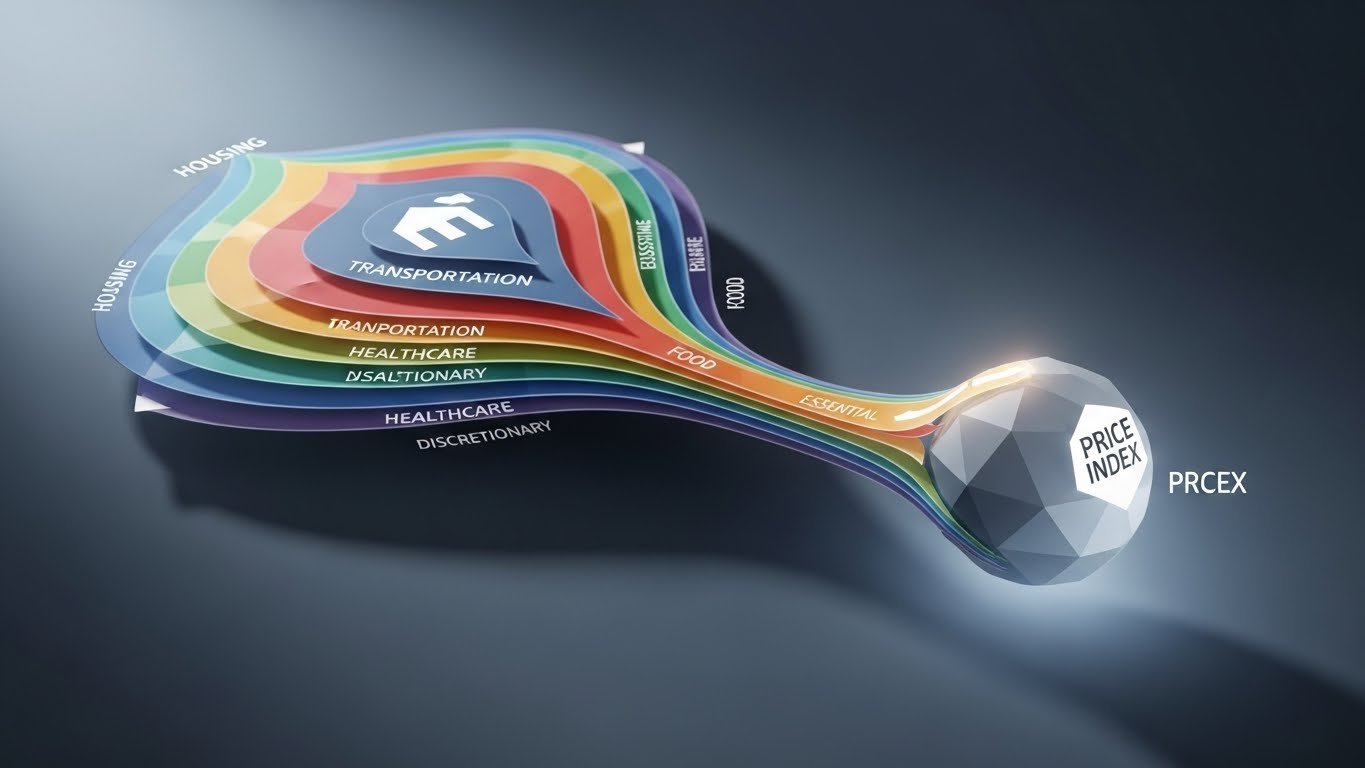
In practice, the PCE index differs from CPI in several ways. It draws from business surveys rather than household reports, covers a wider set of expenditures, and adjusts weights as consumer behavior changes. This makes it more flexible when spending patterns shift.
For policymakers, these features help distinguish temporary price movements from more persistent trends. When PCE inflation remains elevated, it suggests underlying pressure that may not yet be fully resolved.
Households feel PCE-related trends indirectly. The index influences interest-rate decisions, which affect borrowing costs, savings returns, and financial conditions across the economy.
In 2025, attention to PCE has intensified as headline inflation cools unevenly. The gap between different inflation measures helps explain why financial conditions remain cautious despite improving data.
Looking ahead, sustained improvement in PCE inflation will be a key signal in determining whether economic conditions can ease without reigniting price pressures.