Key Takeaways
- Installment-based payments have grown across multiple categories.
- Usage reflects adaptation to higher prices, not just preference.
- Risks increase when short-term tools become long-term habits.
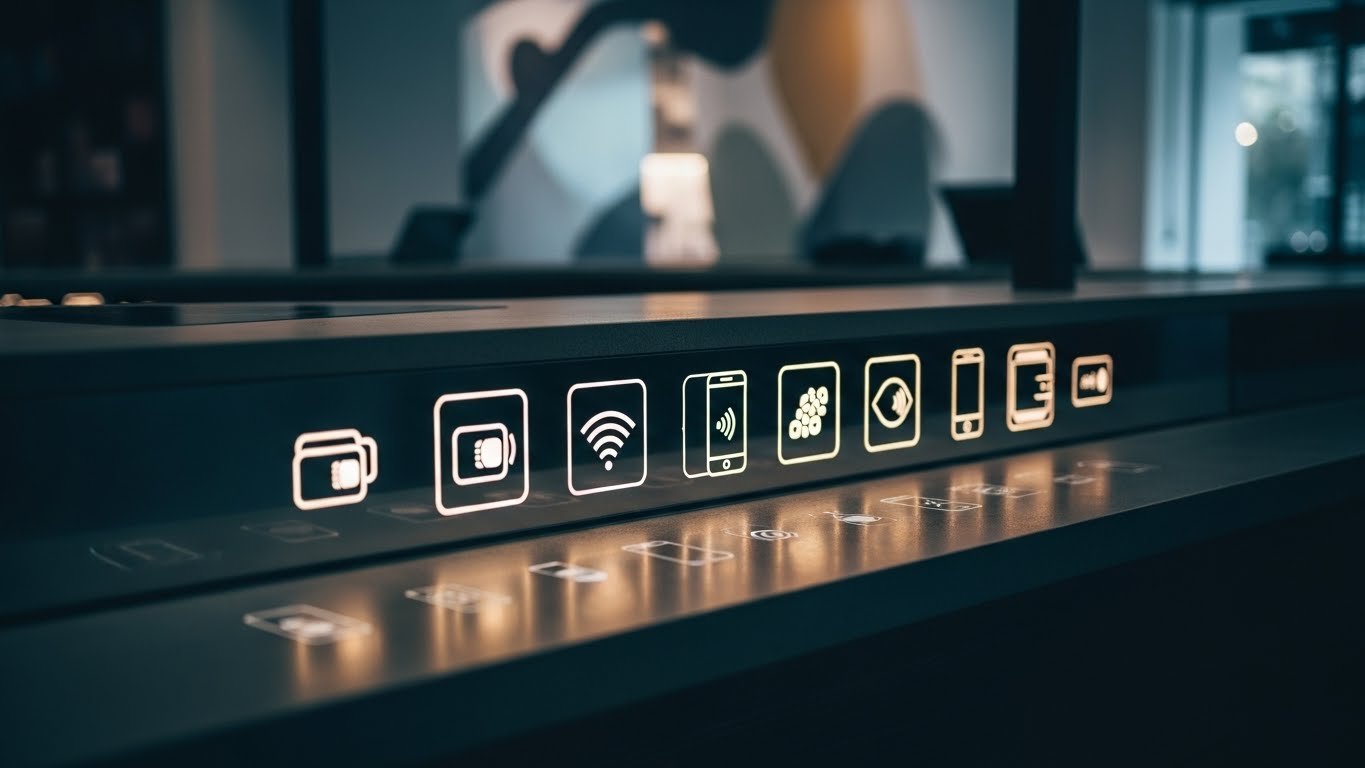
The question has become more common as installment options appear at checkout for everything from electronics to everyday purchases. What began as a niche tool has moved closer to the mainstream.
Recent data suggests growth in installment usage appears across income groups, though the reasons differ. Higher-income households use it for cash-flow management, while others rely on it to make higher prices manageable month to month.
Why this matters now is durability. Installment tools can smooth expenses in the short term, but they also fragment budgets and make total obligations harder to track, especially when multiple plans overlap.
So far, delinquency rates tied to these products remain contained. However, higher interest rates and tighter credit standards elsewhere increase the risk that short-term balances linger longer than intended.
What the data does not yet show is a systemic problem. The growth looks incremental rather than explosive. Still, reliance patterns matter more than headline usage numbers.
For consumers, the key distinction is whether installments remain occasional tools or become default financing for routine spending. That shift carries different implications for household stability.
The next signal to watch will be repayment behavior over longer periods. Sustained increases in missed payments would suggest stress, while stable repayment would indicate adaptation rather than strain.