- Inflation has slowed, but prices remain elevated.
- Household budgets adjust slowly to higher price levels.
- The perception gap reflects cumulative increases, not current momentum.
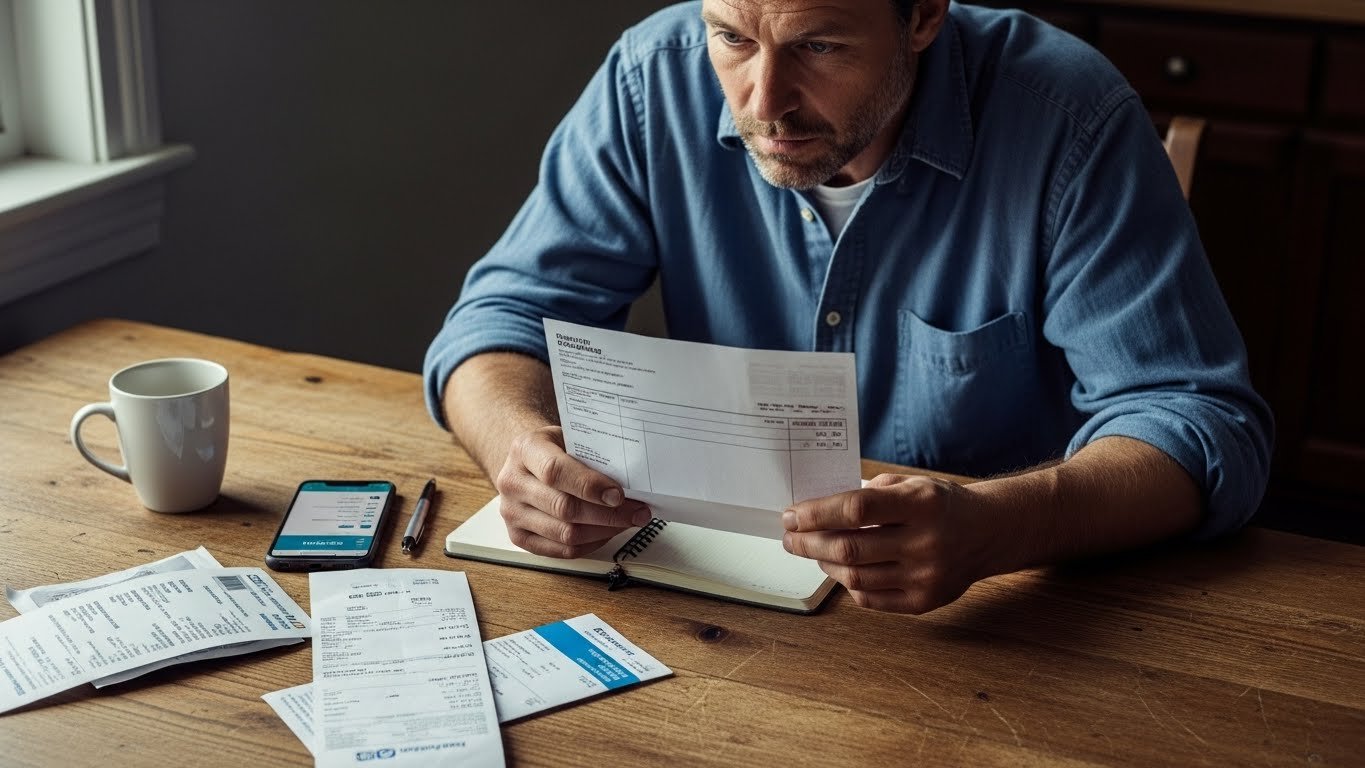
Many Americans continue to feel that the cost of living is rising, even as inflation reports show moderation. This disconnect has fueled widespread confusion.
The issue is not whether inflation has slowed, but how past price increases continue to shape everyday expenses.
Households that spend a larger share of income on essentials tend to feel this pressure most acutely.
Data from the Bureau of Labor Statistics shows that while monthly inflation has eased, overall price levels remain significantly higher than several years ago.
When prices stabilize at elevated levels, consumers stop seeing rapid increases but continue paying more for the same goods and services. Wage growth, meanwhile, varies widely across industries.
This dynamic explains why official economic data and personal financial experiences can diverge without contradiction.
So far, evidence suggests that slower inflation does not immediately translate into cost-of-living relief. What the data does not yet show is how long income growth will take to fully absorb past increases.
The cost-of-living debate reflects accumulated change rather than current trends. Understanding this distinction helps clarify today’s mixed economic signals.