Key Takeaways
- Interest rates coordinate economic movement.
- Small changes affect many systems at once.
- The process is mechanical, not emotional.
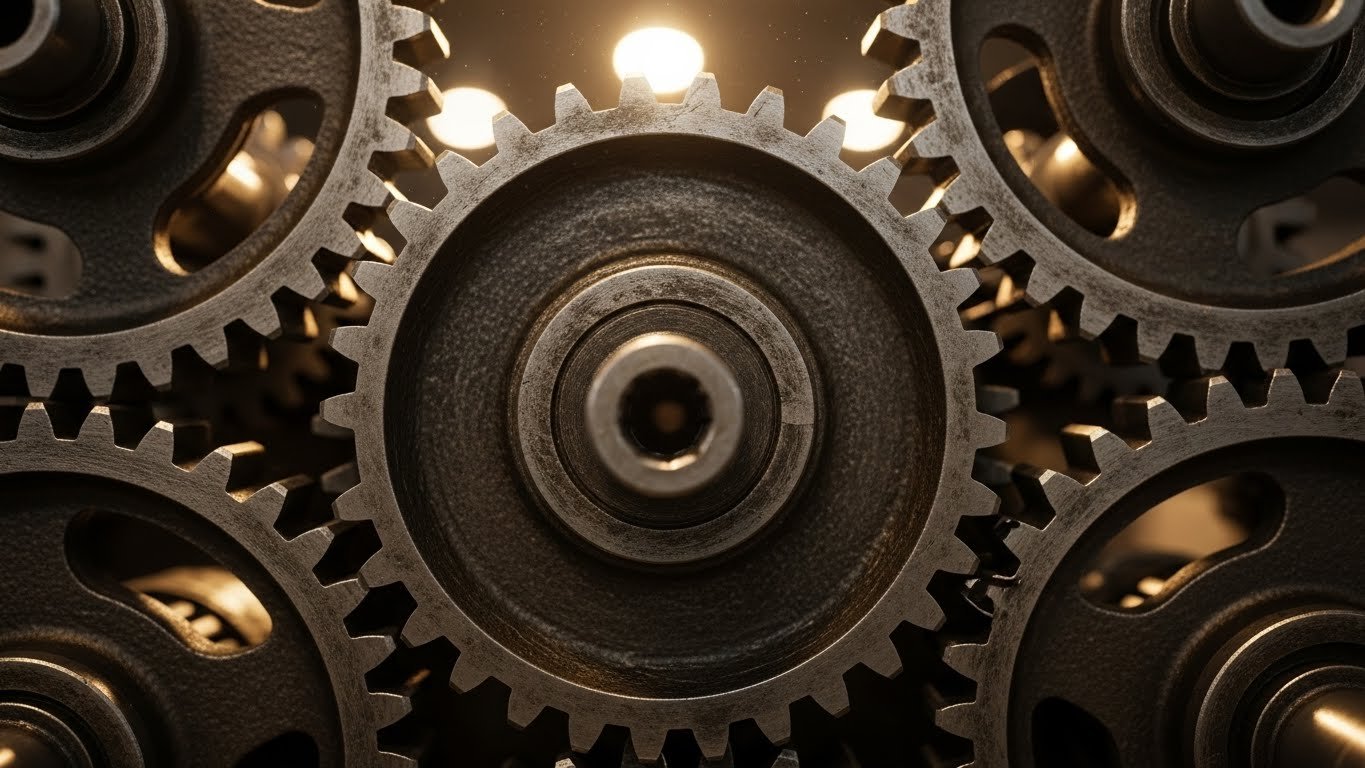
Interest rates function like gears in a large machine. When one gear shifts, others adjust in response, even if the movement is subtle.
A small increase in rates can slow borrowing, cool housing demand, and encourage saving. A decrease does the opposite. Each component responds at its own pace.
This mechanical process explains why economic outcomes often change gradually rather than abruptly.
Businesses adjust investment plans, banks adjust lending standards, and households adjust spending priorities. None of these reactions happen in isolation.
Institutions such as the Federal Reserve influence the initial movement, but the broader economy determines how that movement translates into real outcomes.
What the data does not yet show at any single point is the final equilibrium. So far, evidence suggests layered and delayed effects.
The gear analogy helps clarify why patience is required when interpreting economic shifts.