
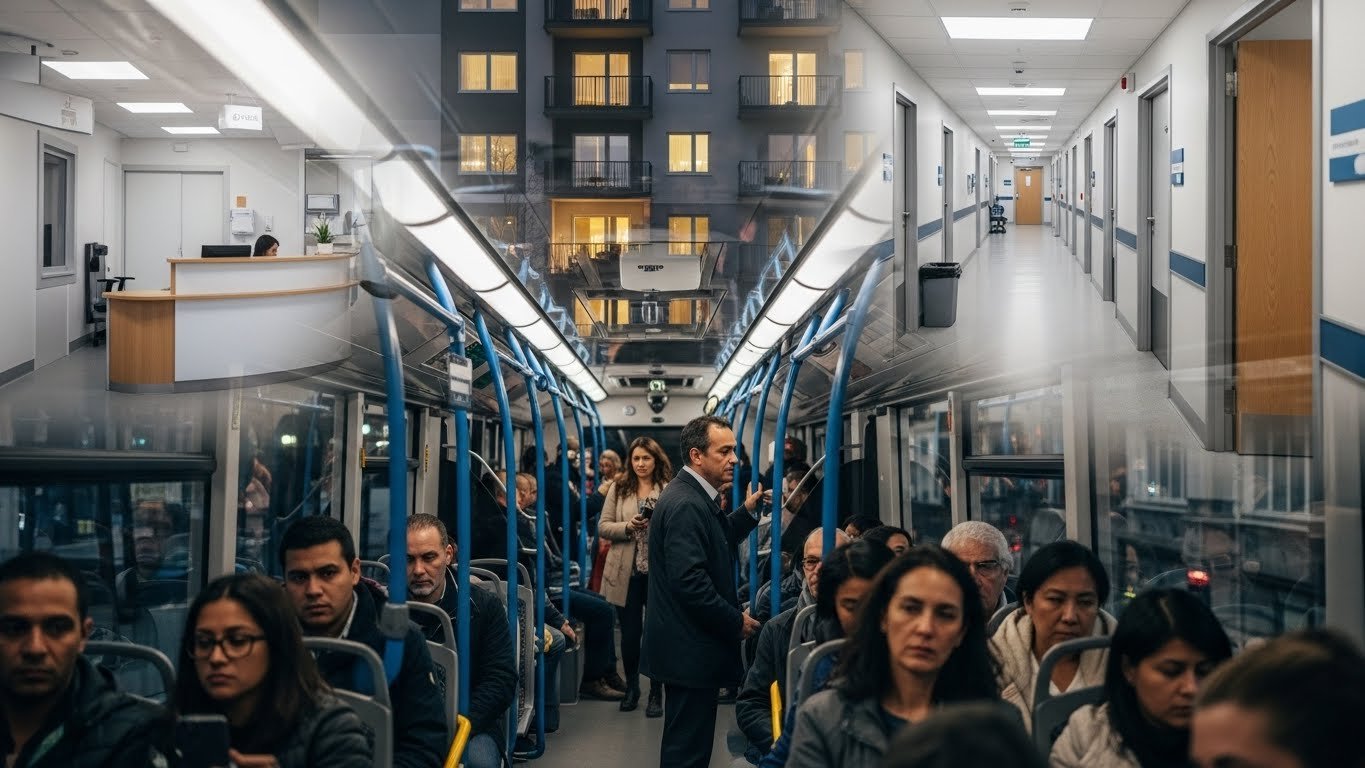
Key Takeaways
- Services inflation behaves differently from goods inflation.
- Labor and housing costs play a central role.
- This explains why inflation feels persistent for households.
Services inflation refers to price changes in sectors such as housing, healthcare, transportation, insurance, and personal services. Unlike goods, services are less exposed to global supply chains and more tied to domestic labor costs.
In 2025, services inflation remains a focal point as overall inflation moderates while everyday expenses continue to feel elevated. This divergence has become increasingly visible in household budgets.
For consumers, services represent a large and recurring share of monthly spending.
Services prices tend to adjust slowly downward once they rise. Wages, rent contracts, and long-term agreements create inertia that keeps costs elevated even as broader inflation cools.
Data monitored by institutions such as the Federal Reserve consistently shows that services inflation responds with a lag to changes in monetary policy.
This dynamic explains why inflation can fall on paper while cost-of-living pressures persist.
What the data does not yet show is a rapid normalization in services pricing. So far, evidence suggests gradual easing rather than sharp declines.
Understanding services inflation is essential for interpreting why inflation relief often feels incomplete.