Key Takeaways
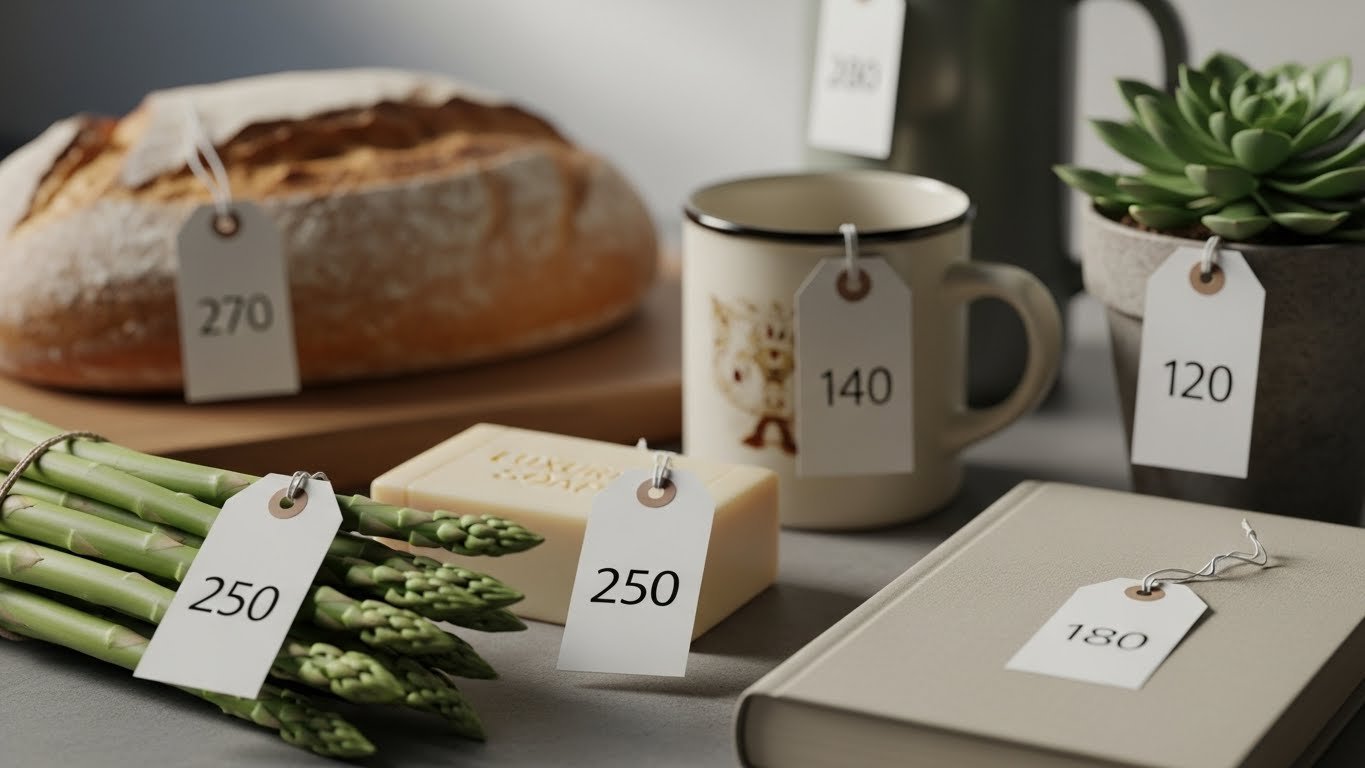
- Slower inflation does not mean lower prices.
- Prices usually stabilize at higher levels.
- Deflation is rare outside recessions.
As inflation slows, many consumers expect prices to fall. In most cases, that is not how inflation dynamics work.
Lower inflation means prices are rising more slowly, not that they are declining. Once prices reset higher, they tend to remain elevated unless there is a significant economic contraction.
This distinction is central to understanding current cost-of-living concerns.
Historical data shows that broad price declines are uncommon outside of recessions or major demand shocks.
So far, evidence suggests stabilization rather than reversal. What the data does not yet show is a widespread deflationary trend.
Slowing inflation brings relief through predictability, not through price rollbacks.