Key Takeaways
- Inflation measures how prices change over time, not whether they are high or low.
- Slower inflation does not undo past price increases.
- Households experience inflation through essentials more than averages.
Inflation is one of the most frequently cited economic terms in the United States, yet it is often misunderstood. At its core, inflation measures how quickly prices are rising, not how expensive things already are. This distinction matters because it explains why inflation can fall while everyday costs remain elevated.
For most households, inflation is not an abstract index. It shows up in rent payments, grocery bills, insurance premiums, and healthcare costs. These expenses are recurring and difficult to adjust, which makes inflation feel persistent even when official data shows improvement.
Understanding inflation requires looking beyond a single headline number.
Inflation is typically calculated using price indices that track a broad basket of goods and services. These baskets are designed to reflect average consumption patterns, but no two households experience inflation the same way. Spending shares vary by income, location, and life stage.
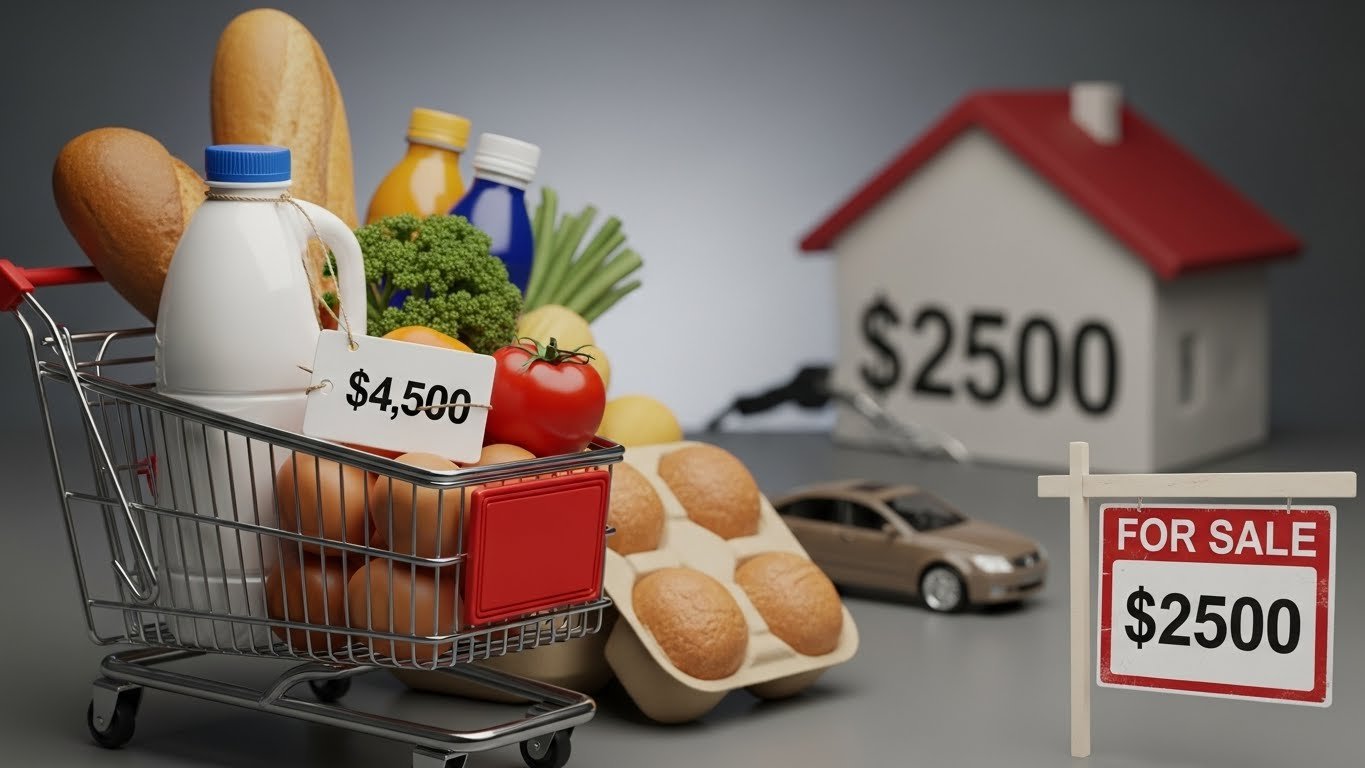
In recent years, inflation surged due to a combination of supply disruptions, strong demand, and shifting labor markets. As these pressures eased, inflation slowed. However, prices did not return to previous levels. They stabilized higher, resetting the cost of living.
This is where much of the confusion arises.
Inflation slowing means prices are increasing more slowly, not that they are falling. For prices to decline broadly, demand would typically need to weaken significantly, a condition usually associated with recessions.
Inflation also behaves differently across categories. Goods prices tend to adjust more quickly as supply chains normalize. Services inflation, which includes housing, healthcare, transportation, and insurance, is more persistent. These sectors depend heavily on labor and long-term contracts.
Data monitored by institutions such as the Federal Reserve consistently shows that services inflation responds with a lag to policy changes. This lag is one reason inflation relief often feels incomplete.
Housing costs illustrate this clearly. Rent increases are typically locked in through leases and adjust slowly. Even when market conditions cool, existing contracts keep average housing costs elevated for extended periods.
Wages also play a central role. Higher labor costs support household income but also contribute to sustained services inflation. This creates a feedback loop where incomes rise but prices remain firm.
For households, the result is a prolonged adjustment period. Budgets recalibrate, discretionary spending becomes more selective, and savings rebuilding slows.
Inflation’s impact is not evenly distributed. Lower-income households spend a larger share of income on essentials, making them more sensitive to elevated prices. Higher-income households may absorb inflation more easily but still adjust behavior.
What the data does not yet show is a full return to pre-inflation cost structures. So far, evidence suggests normalization through stability rather than reversal.
Understanding inflation as a process rather than an event helps clarify why its effects linger long after the rate itself declines.
Inflation continues to shape economic decisions, household confidence, and policy debates not because it is accelerating, but because its legacy remains embedded in everyday prices.