Key Takeaways
- Cards offer convenience but increase exposure.
- Usage patterns matter more than frequency.
- Everyday use reflects cash-flow management.
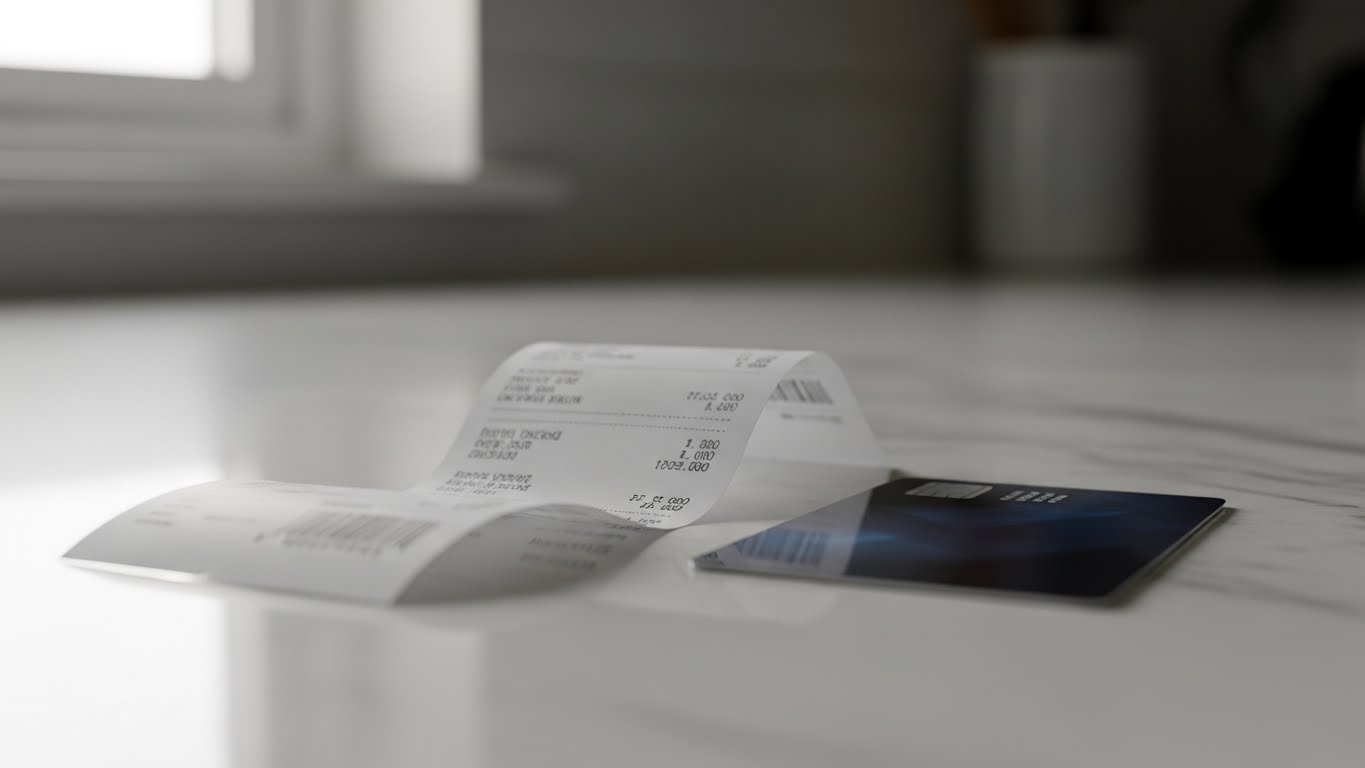
Using credit cards for everyday expenses has become more common, especially as costs rise. For many households, cards function as payment tools rather than borrowing instruments.
The impact depends on payment behavior. Paying balances in full limits interest costs, while carrying balances increases long-term expense.
Data suggests many consumers use cards to manage timing differences between income and expenses rather than to expand spending.
What the data does not yet show is a uniform outcome. Experiences vary widely based on income stability, savings, and repayment habits.
Credit cards amplify habits rather than replace budgeting.