Key Takeaways
- Geopolitical shocks affect commodity markets through risk premia e incerteza.
- Venezuela’s oil dynamics mostram como produção vulnerável eleva volatilidade.
- Investors respond rapidamente a risco, mesmo quando dado econômico de base é sólido.
On January 3, 2026, United States forces executed a major military operation in Venezuela that culminated in the reported capture of President Nicolás Maduro and his wife, Cilia Flores. U.S. President Donald Trump announced the operation and subsequent custody of Maduro, signalling a dramatic escalation in U.S. actions toward Caracas. Wikipedia
The economic and financial repercussions of such an event are best understood through risk transmission mechanisms in markets rather than simplistic headline narratives.
Geopolitical Risk and Economic Impact
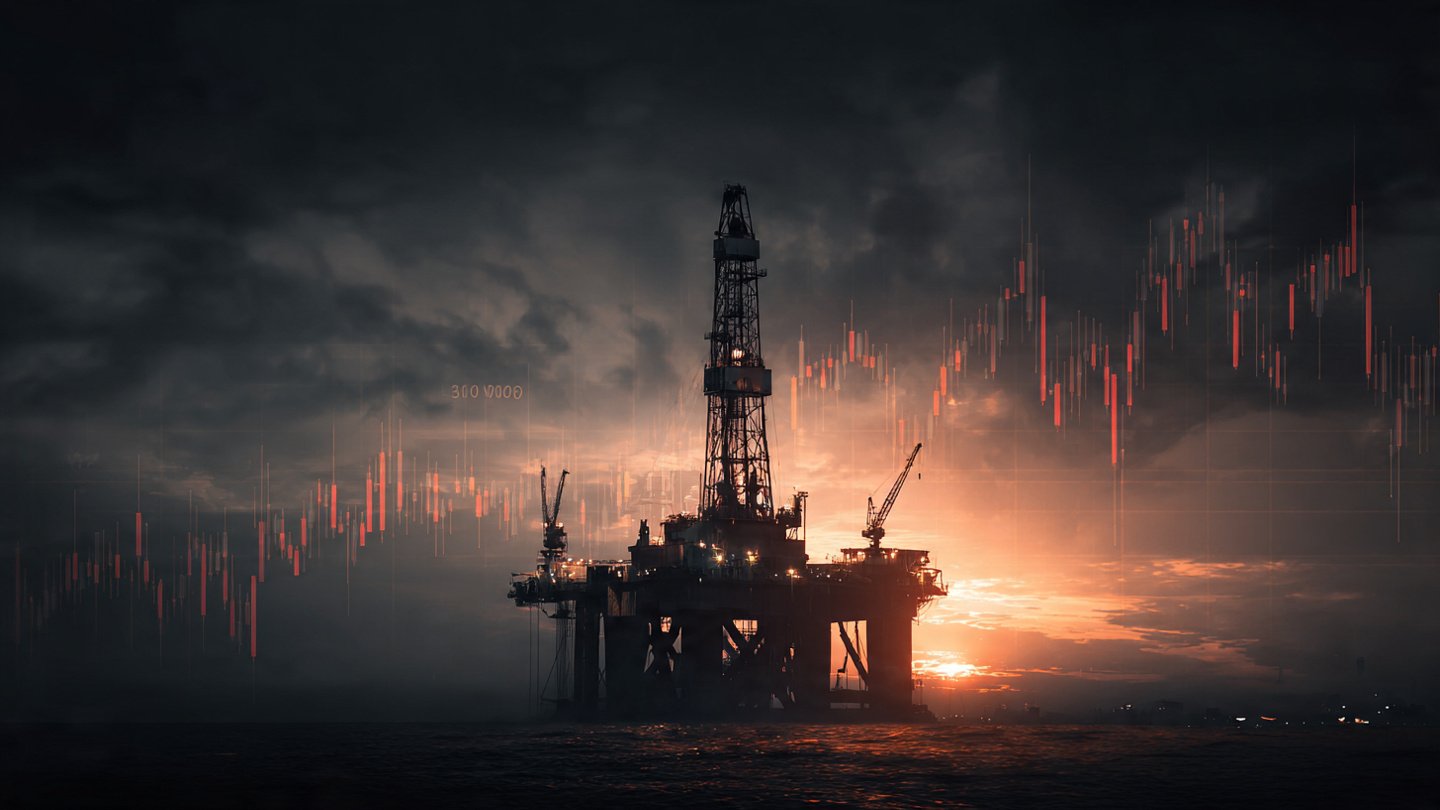
Political upheaval or conflict invariably enters into the pricing of commodities, currencies, and risk assets as a geopolitical risk premium. Commodity markets, particularly crude oil, often react not just to current supply disruptions but to potential future volatility. Venezuela holds some of the world’s largest proven oil reserves, but decades of underinvestment and political isolation have constrained output. The National
Analysts note that Venezuela’s production, representing a fraction of global crude supply—about 1%—may not dramatically shift worldwide balances on its own. However, the perception of risk associated with broader regional instability, sanctions, and potential military escalation can drive short-term price adjustments. Even modest risk premia can translate into volatility for oil futures and energy equities.
Beyond energy, shocks to geopolitical stability can influence currency markets and emerging market spreads. Investors often reprioritize safe-haven assets—such as U.S. Treasuries and the dollar—when uncertainty rises, even if the underlying economic fundamentals remain intact.
Investor Behavior and Market Sensitivity
Markets interpret events through expectations about future policy and economic conditions rather than the events in isolation. A sudden geopolitical development—especially one as unprecedented as the capture of a foreign head of state—can shift investor expectations rapidly. This is visible in how oil, risk assets, and defense sector equities respond to geopolitical news before traditional macroeconomic indicators are published.
Risk models used by institutional investors incorporate not just data on prices and volumes but forward-looking scenarios. These scenarios weigh potential disruptions, policy shifts, sanctions extensions, and counter-responses by other states. For example, oil market participants may reprice risk even if actual Venezuelan production remains limited, due to fears about contagion, supply chain adjustments, or OPEC+ behaviour.
Energy Economics: Supply, Sanctions, and Long-Term Investment
The Venezuelan oil sector has long been affected by sanctions, underinvestment, and political risk. The U.S. has imposed sanctions and naval blockades on oil shipments connected to Venezuela in recent months, part of an effort to tighten economic pressure on the Maduro regime. Reuters+1
Even after the capture of Maduro, the U.S. has indicated that sanctions and embargoes remain in place, and U.S. leaders have spoken about increased American involvement in Venezuela’s oil infrastructure. Agência Brasil In energy economics, expected future access to oil reserves can weigh on investment and pricing just as heavily as current output levels.
Return on Capital vs. Political Risk
Energy investments require long planning horizons and stable regulatory environments. A sudden shift—such as U.S. control over production or pledges to deploy capital to revitalize the sector—does not immediately translate into uplift in output. Infrastructure rehabilitation, legal uncertainties, and risk of counter-measures by other states complicate the investment environment.
The Legal and Policy Angle
Beyond markets, the U.S. operation raises questions about international norms, trade, and investment climates. If geopolitical risk is perceived to expand beyond localized conflict, insurers may widen country risk premiums, and multinational corporations may delay capital allocation decisions in similar regions. This can ripple through global portfolios and slow investment flows into riskier environments.
It’s also important to note that some international actors have condemned the U.S. action as violating international law, underscoring the potential for diplomatic costs alongside financial market responses. CNN Brasil
Limits of Market Data in Real Time
What market data does not yet fully show is how these dynamics will settle over the medium to long term. Short-term price changes and risk-off movements are common after geopolitical shocks, but persistent changes in investment trends, supply patterns, and global risk premiums take time to materialize. Analysts often caution that initial volatility does not always lead to structural shifts without follow-through in policy or real economic change.
In summary, the capture of Nicolás Maduro could influence markets and financial conditions through mechanisms tied to risk pricing, energy supply expectations, and investor sentiment. These effects are complex and unfold over time, blending geopolitical uncertainty with economic fundamentals.