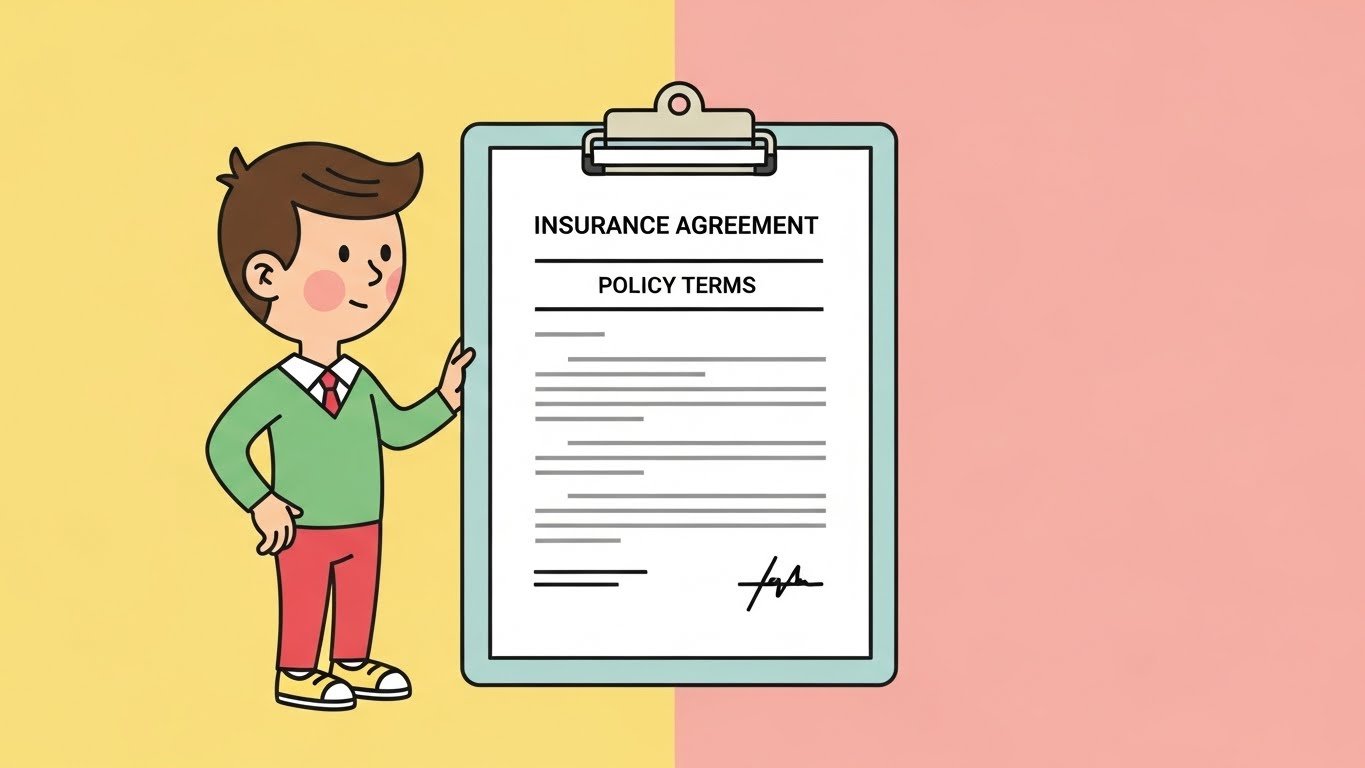
Insurance is supposed to protect you.
Yet every year, millions of people lose money — not because they chose the wrong policy, but because they misunderstood how insurance actually works behind the scenes.
In 2026, with rising premiums, new risk models, and tighter underwriting across the industry, one rule matters more than ever:
Your insurance rate is based on the risk you present — not the risk you feel.
Understanding this gap can save you thousands of dollars, help you negotiate better terms, and prevent the silent financial leaks most people never notice.
⭐ The Hidden Reality: Insurance Companies Don’t Price Your Past — They Price Your Patterns
Most customers think insurers look at:
- a year of clean driving
- no recent claims
- low emergency room visits
- healthy habits
- good credit
But underwriting models in 2026 use deeper and more predictive signals:
- how often you shop around
- the timing of your claims
- your consistency of payments
- the stability of your address or job
- your credit utilization patterns
- your risk behavior cycles
These behavioral signals often matter more than the details you provide on an application.
This is why two people with similar profiles can receive dramatically different premiums.
⭐ The Rule That Saves You Money: Stabilize Your “Risk Profile Window”
Insurance pricing operates within a renewal window — typically 45 to 90 days before your policy renews.
During this period, insurers run automated models that evaluate:
- life changes
- credit changes
- payment behavior
- claims activity
- address consistency
- overall risk signals
Most consumers have no idea this window exists.
But those who understand it can influence their premiums in powerful ways.
⭐ How to Lower Your Premiums in 2026 Using This Rule
1. Avoid any claims (big or small) during the renewal window
Even small claims can classify you as “active risk.”
2. Keep your credit utilization below 30% during this time
Credit behavior is a major rating factor in many regions.
3. Don’t switch addresses or jobs unless necessary
Instability signals higher future risk.
4. Pay every bill on time — especially in those 45–90 days
One late payment can trigger a pricing shift.
5. Don’t shop for competing quotes too early
Too much quote-shopping can mark you as a churn risk.
6. Add or remove drivers after your renewal period, not during
Every policy update triggers a re-evaluation.
This isn’t guesswork — it’s how the models work.
⭐ The Optional Power Move: Requote at a Different Time of Month
Insurance pricing can shift subtly depending on:
- billing cycles
- underwriting load
- risk distribution models
Getting quotes:
- after the 10th
- but before the 25th
often yields better results.
(Not guaranteed, but consistently observed across 2025–2026 algorithms.)
⭐ Why This Matters More Than Ever in 2026
Insurers are tightening their models because:
- claim costs are rising
- repair and medical costs are up
- severe weather events are more frequent
- fraud detection systems are stricter
- customers are switching providers more often
This means consumers who strategically manage their profile will save significantly more than those who simply renew automatically.
FAQs
Does this apply to all types of insurance?
Primarily auto and home, but similar principles affect health and renters’ insurance.
Will switching providers hurt my pricing?
Not if you switch after your renewal evaluation is complete.
What if my credit isn’t great?
Lowering utilization before the renewal window can still improve your rating.
Conclusion
Insurance pricing is not random — it follows predictable patterns.
Once you understand how insurers evaluate you, you can take control of your premiums instead of blindly accepting them.
In 2026, the people who save the most aren’t those who pick the cheapest company — they’re the ones who understand when and how their rates are determined.
Master the renewal window, and you’ll master your insurance costs.