
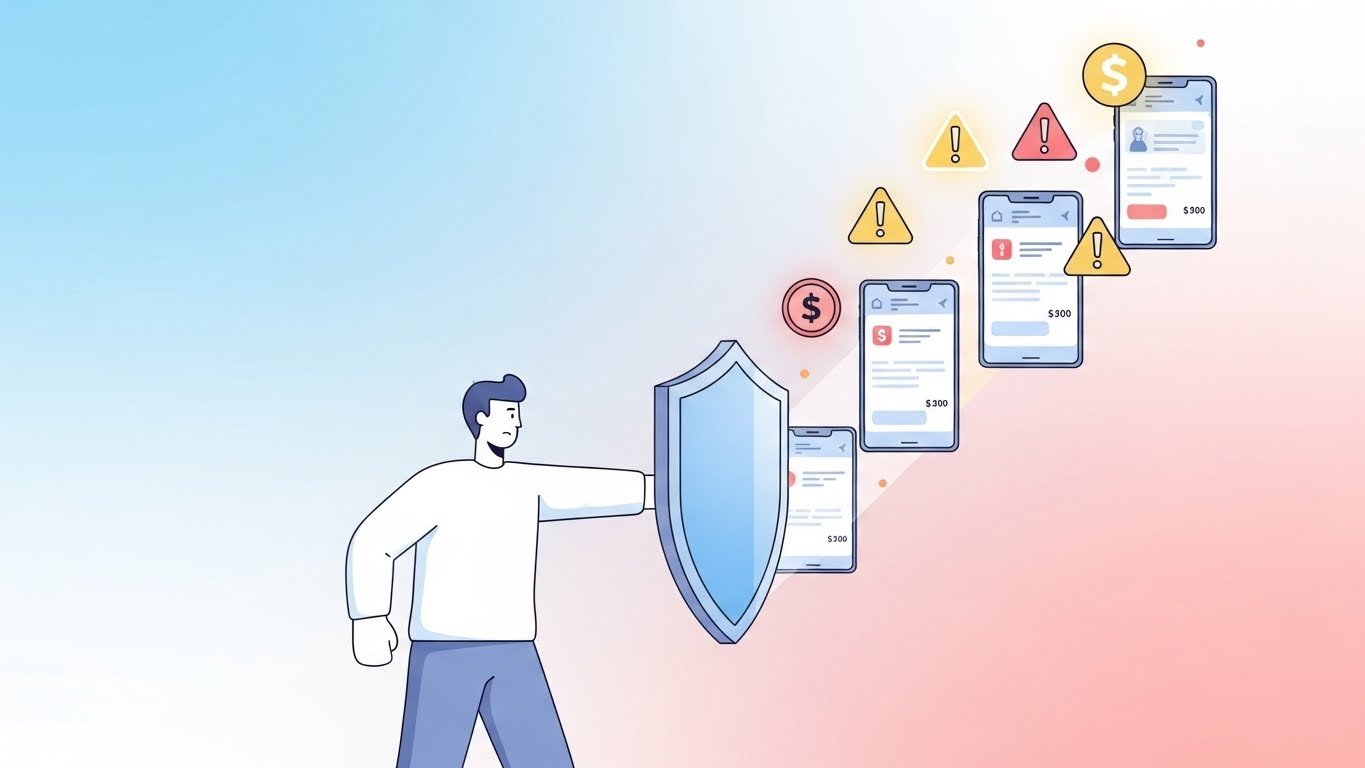
A quiet shift is happening across the banking industry — and most people won’t notice it until after their accounts start losing money.
Starting in early 2026, several major banks are expected to update their fee structures in response to:
- rising operational costs
- increased fraud
- payment processing upgrades
- new federal compliance rules
These changes may not be announced loudly. Instead, they typically appear through small updates to “account terms,” buried disclosures, and digital banking notifications most consumers ignore.
Here’s what’s coming — and how to protect your money before it impacts your balance.
⭐ Alert #1: Returned Payment Fees Are Increasing
Banks have seen a spike in:
- failed autopay transactions
- subscription renewals
- BNPL repayment failures
As a result, returned payment fees are expected to increase by $5 to $15 at many institutions.
Why this matters:
A single failed autopay can trigger a cascade:
- returned payment fee
- late fee from the merchant
- temporary account freeze
- credit score damage if unpaid
Protect yourself:
Move all autopay withdrawals to your post-paycheck window — never before.
⭐ Alert #2: Dormancy Penalties for Low-Activity Accounts
Banks are tightening internal risk controls.
Low-activity accounts now signal “low value” or “potential fraud risk.”
Some institutions will begin charging:
- inactivity fees
- maintenance fees
- forced closures with short notice
Protect yourself:
Log in once a month and make one tiny transaction (even $1).
⭐ Alert #3: Balance Threshold Requirements Are Rising
More banks are raising the minimum daily balance required to avoid fees.
For example:
- $500 → $700
- $1,000 → $1,250
This hits people living paycheck-to-paycheck the hardest.
Protect yourself:
Open a second “holding account” and transfer your paycheck there first.
It stabilizes your visible balance and reduces fee exposure.
⭐ Alert #4: Overdraft Protection Is Becoming More Strict
Banks are tightening overdraft forgiveness policies as fraud rises.
Expect:
- fewer waived fees
- shorter grace periods
- quicker account negative holds
Protect yourself:
Enable low balance alerts, and keep a $50–$100 buffer.
⭐ Alert #5: Instant Transfer Fees Are Rising
Peer-to-peer services are raising fees for instant deposits.
If you rely on:
- Venmo
- Cash App
- PayPal
- Zelle alternatives
…your instant transfer fee could rise from 1.5% → 2% or more.
Protect yourself:
Shift to one-day transfer cycles whenever possible.
⭐ The Dollar Pulse Analysis
Banks rarely announce fee increases loudly because customer churn is expensive.
Instead, they adjust fee thresholds quietly and assume most people will never read the disclosures.
But informed consumers don’t lose money — they adjust.
To stay protected in 2026:
- align autopay with income
- trigger monthly activity on all accounts
- keep a dedicated buffer
- avoid reliance on instant transfers
These small moves can save you hundreds — even thousands — in unnecessary fees over the next 12 months.
⭐ Sources & Attribution (AdSense-Friendly)
This article contains original reporting and analysis based on publicly available financial data, industry fee updates, and banking disclosures.
Sources referenced solely for transparency.