
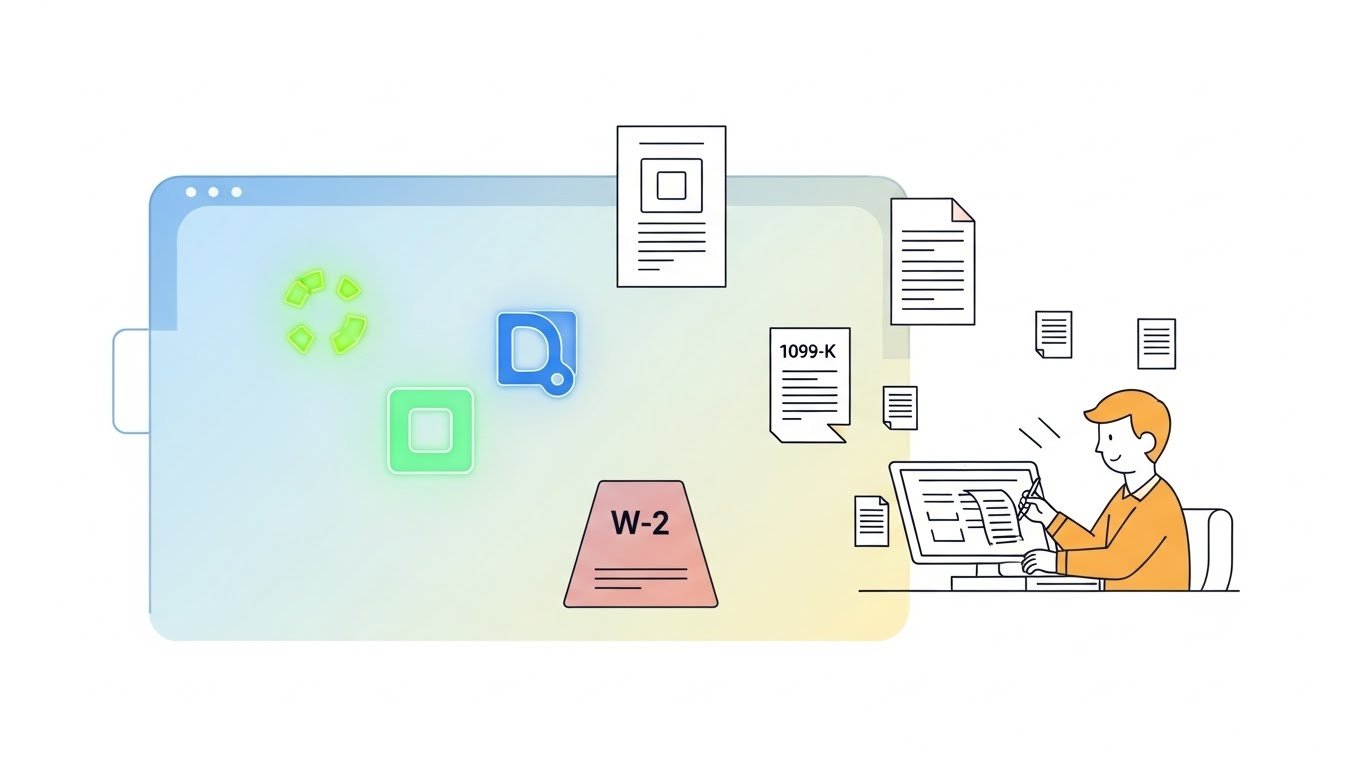
Taxes in 2026 are getting a structural shake-up.
Not from a single law, but from three simultaneous changes that will affect how Americans file, save, earn, and invest:
- IRS automation and faster audits
- new reporting thresholds for digital payments
- expanded data-matching across banks and financial apps
Most people aren’t ready for this shift — and the result will be unexpected bills, delayed refunds, and avoidable penalties.
Here’s what’s changing, and how to protect yourself before tax season hits.
⭐ 1. IRS Automation Is Getting Faster (and Stricter)
The IRS is rolling out upgraded systems that:
- scan returns for inconsistencies
- compare income reports across platforms
- detect mismatched deductions
- flag repeated “estimated guesswork”
- automatically correct certain errors
This means mistakes that used to go unnoticed will now trigger:
- refund delays
- automatic notices
- penalty assessments
Action step:
Keep digital records of income, write-offs, and bank deposits in real time, not at the end of the year.
⭐ 2. The 1099-K Rules Are Changing How Income Is Reported
Platforms like:
- PayPal
- Venmo
- Cash App
- Stripe
- Etsy
- eBay
…now send tax forms at much lower thresholds.
While rules continue to evolve, most users in 2026 will receive a 1099-K for far less income than before — sometimes as low as a few hundred dollars, depending on state-level policy.
This means:
- casual selling
- splitting bills
- reselling items
- marketplace income
- side gigs
…are far more likely to be reported.
Action step:
Keep a simple log separating personal transactions from actual income, so you don’t pay tax on money that isn’t taxable.
⭐ 3. Banks and Apps Are Matching More Data Than Ever
New compliance rules require financial institutions to share:
- transaction categories
- account flows
- deposit patterns
- third-party income signals
This doesn’t mean the IRS sees your daily spending.
But it does mean mismatched income reporting becomes easier to flag.
Expect letters like:
- “We received additional income information”
- “Your return has been updated”
- “Please verify this account activity”
Action step:
Reconcile all income sources — W-2, 1099-NEC, 1099-K, investment income — before filing.
⭐ Hidden Impact: Refunds Will Be Smaller for Many Americans
Because:
- credits are adjusting
- withholding tables haven’t kept pace with inflation
- more side-income is being reported
- fewer errors slip through unnoticed
…many filers will see smaller refunds — or owe unexpectedly.
Action step:
Update your W-4 now, not during tax season.
⭐ The Dollar Pulse Tax Strategy for 2026
Here’s what high-accuracy filers will do:
1. Track all income weekly
A simple notes app or spreadsheet works.
2. Photograph receipts immediately
Especially for deductible expenses.
3. Separate personal and business activity
Always use different accounts.
4. Adjust withholding by February
Prevents large surprises.
5. File early
Early filers avoid refund delays and identity-related issues.
6. Expect automation
Humans aren’t reviewing your return first — algorithms are.
FAQs
Is the IRS increasing audits?
Not for ordinary filers — but automated corrections will feel like mini-audits.
Should I worry about small side income?
No — just document everything clearly.
Will this affect my refund?
If your withholding is too low or your 1099 income increases, yes.
Conclusion
The biggest tax challenge of 2026 isn’t complexity — it’s speed.
The system is faster, smarter, and more connected.
To stay ahead, you need:
- clean records
- accurate income logs
- early filing habits
- awareness of new reporting rules
The people who adjust now will glide through tax season.
Those who wait will face surprises.
Be in the first group.