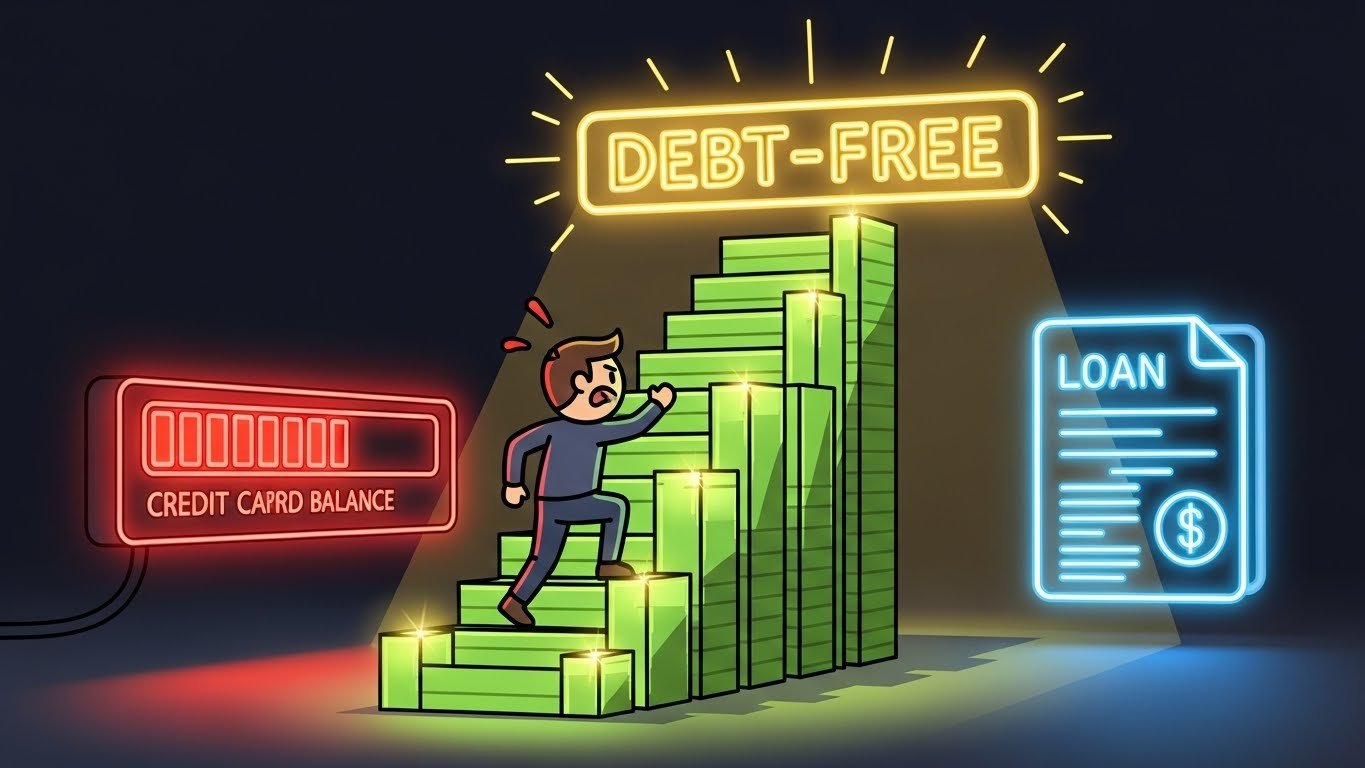
Loans and debt play a major role in modern financial life. Most people borrow money at some point — for education, transportation, housing, emergencies, or business. Borrowing can be a valuable tool when used wisely, but it can also become a source of long-term stress if misunderstood or mismanaged. Knowing how loans work, what lenders look for, and how debt repayment strategies function empowers you to make smarter decisions and avoid costly mistakes.
What a Loan Really Is
A loan is money you borrow from a lender with the agreement that you will pay it back — usually with interest — over a set period. The terms of a loan define how much you’ll pay in total, how long repayment lasts, and how affordable the monthly payments will be.
Key components include:
• Principal: The amount borrowed.
• Interest Rate: The cost of borrowing, expressed as a percentage.
• Term Length: How long you have to repay.
• Monthly Payment: A combination of principal and interest.
• Fees: Origination, late fees, prepayment penalties (when applicable).
Why It Matters
Debt impacts nearly every part of your financial life:
• Your credit score
• Your monthly cash flow
• Your ability to qualify for future loans
• Your long-term financial stability
• Your stress levels and financial confidence
Not all debt is harmful, but unmanaged debt can delay goals, shrink savings, and increase financial risk.
Types of Loans
• Personal Loans: Unsecured, flexible use, fixed payments.
• Auto Loans: Secured by a vehicle; lower rates but risk of repossession.
• Student Loans: Federal or private; often low interest but long repayment terms.
• Mortgage Loans: Large, long-term loans for home purchases; usually lowest interest rates.
• Credit Card Debt: Revolving debt with high interest; expensive if balances aren’t paid in full.
• Home Equity Loans & HELOCs: Use home equity as collateral; lower rates but higher risk.
Each loan type has advantages, risks, and ideal use cases.
How Interest Really Works
Interest determines the true cost of borrowing. Even small differences in rate can significantly impact total repayment. For example:
A $10,000 loan at 8% for 3 years costs around $1,280 in interest.
At 18%, the same loan costs around $3,000 in interest.
Understanding interest helps you avoid overpaying and identify better loan offers.
Smart Borrowing Strategies
• Borrow only what you genuinely need.
• Compare multiple lenders before committing.
• Choose the shortest repayment term you can comfortably afford.
• Avoid high-interest debt when possible.
• Review all fees — they can dramatically change total cost.
• Protect your credit score by paying on time every month.
How to Pay Off Debt Faster
• Debt Snowball: Pay off smallest balances first to build momentum.
• Debt Avalanche: Pay the highest-interest debts first to save the most money.
• Refinancing or Consolidation: Replace multiple debts with one lower-rate loan.
• Extra Payments: Even small additional payments reduce interest over time.
• Automating Payments: Prevents missed due dates and late fees.
Consistent effort — even in small amounts — accelerates your progress significantly.
TheDollarPulse Analysis
The key takeaway is that loans and debt are not inherently bad; they’re tools. The difference between healthy and harmful debt comes down to understanding costs, choosing wisely, and paying consistently. Borrowing allows people to pursue opportunities — education, homeownership, transportation — but without proper management, debt can quickly limit financial freedom. A strong debt strategy focuses on minimizing interest, eliminating high-cost balances, and borrowing only with a clear repayment plan.
Sources
Source: Consumer lending research, Federal Reserve household debt reports, and financial education studies — summarized and analyzed by TheDollarPulse.
This article contains original analysis and does not reproduce copyrighted text.