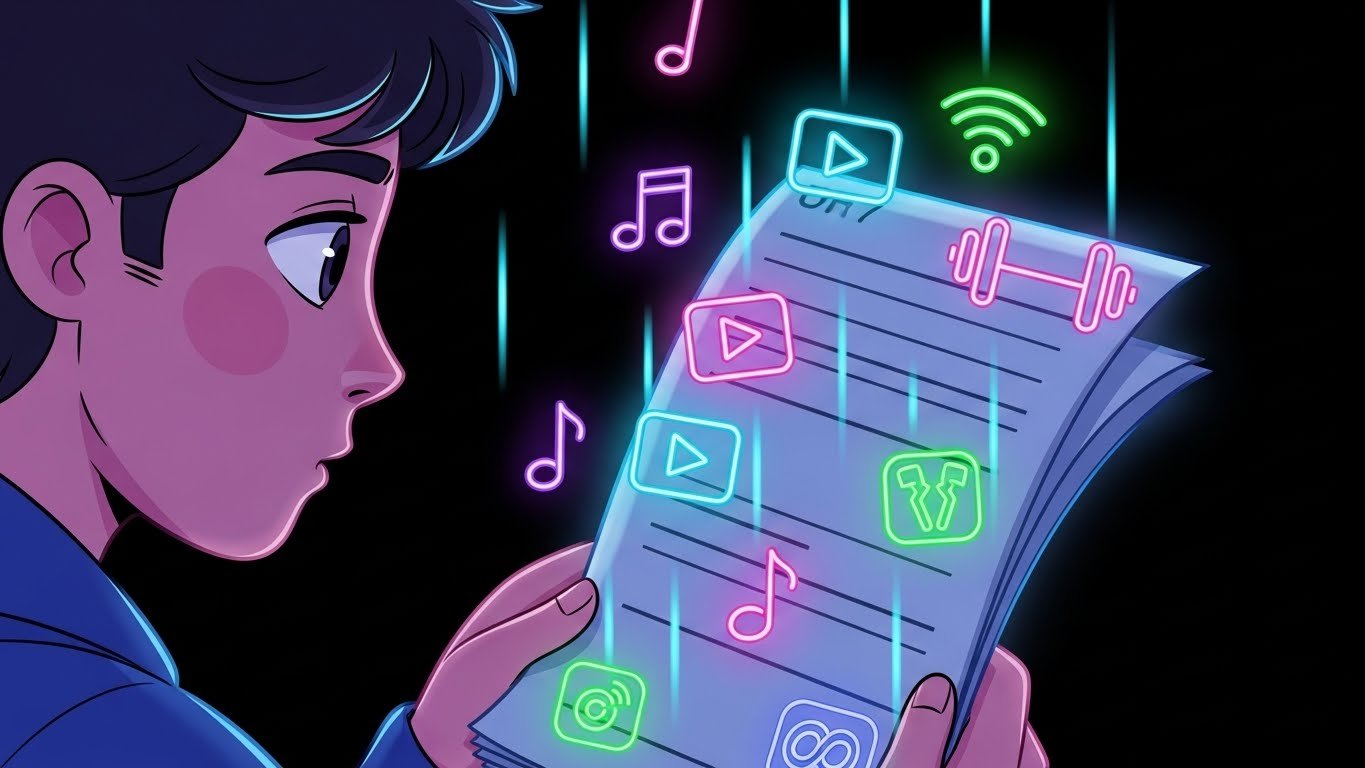
A new financial warning is gaining traction across consumer reports: the rise of the 2026 “subscription trap.” Millions of Americans are unknowingly paying for services they rarely use — or didn’t realize they agreed to — as companies shift to more aggressive subscription models. What looks like a harmless 7-day trial often turns into recurring monthly charges that quietly drain bank accounts without notice.
Why is this happening now? Experts point to a wave of businesses moving from one-time purchases to recurring revenue, especially in entertainment, wellness, productivity tools, and even household items. Instead of promoting premium upgrades, many apps now default users into auto-renewal structures hidden behind small text or confusing checkboxes. And with digital wallets making transactions instantaneous, consumers often don’t notice the charges until months later.
What makes the 2026 subscription trap particularly dangerous is the layering effect. A $4.99 charge here and a $12.99 charge there don’t feel significant individually — but stacked together, they can cost hundreds of dollars per year. Financial coaches say the average household is now paying for four to seven unused subscriptions, often without realizing it.
The solution is simple, but powerful: perform a monthly “subscription audit.” Review all charges, cancel anything unused, and disable auto-renew unless absolutely necessary. Some budgeting apps now identify recurring payments automatically, making it even easier to stay in control.
Small leaks sink big ships — and in 2026, the subscription trap is one of the fastest-growing leaks in personal finance.