
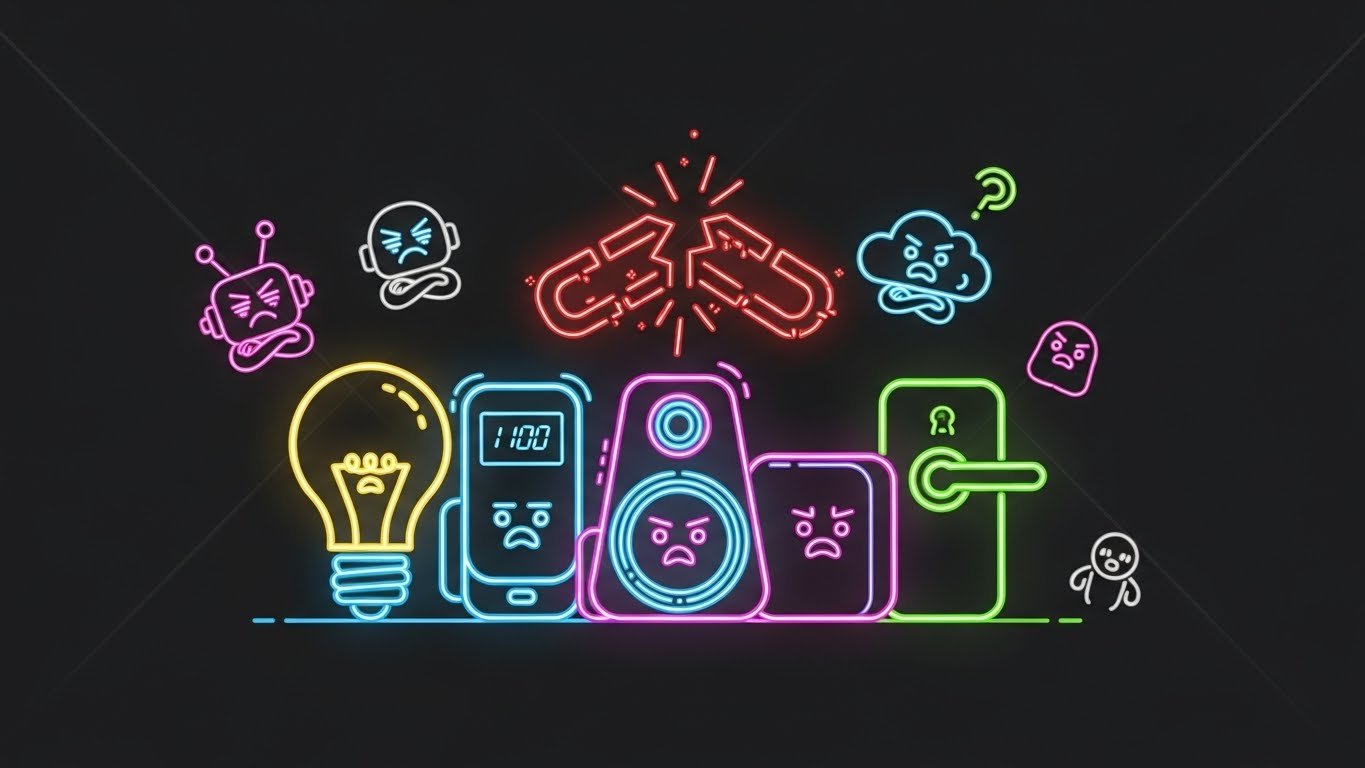
A new concern is emerging in the tech world: interoperability — the backbone of smart-home ecosystems — is breaking down. Analysts warn that 2026 may become the year smart devices “stop talking to each other,” as companies quietly shift away from open standards and move toward proprietary AI-driven systems.
For years, the industry pushed the idea of seamless integration: your lights, appliances, locks, speakers, and thermostats working together under a single protocol. But insiders say major brands are now prioritizing exclusive AI features that don’t fully support cross-platform communication. Some devices are already encountering compatibility failures after recent updates.
The shift appears tied to the race for on-device AI dominance. With companies like Apple, Google, Amazon, and Samsung deploying their own AI assistants and neural-enabled hardware, the incentive to keep users inside closed ecosystems is stronger than ever. Industry experts call it a “fragmentation wave” — a reversal of the integration trend consumers have grown accustomed to.
For users, the fallout could be frustrating: routines that stop functioning, devices that fail to sync, and ecosystems that become more expensive as compatibility shrinks. For the tech industry, the fragmentation raises big questions about consumer choice, market power, and the future of smart-home innovation.
If companies don’t align on universal standards soon, the smart home may become a lot less smart than advertised.