Saving money has never felt more challenging than it does in 2026. Rising living costs, unpredictable inflation, and tighter credit conditions leave many Americans feeling like saving is impossible. But the truth is this: saving today isn’t harder — it’s different. The strategies that worked 10 or even 5 years ago no longer apply in a digital-first, high-cost economy.
This guide explains how saving works now, what habits actually move the needle, and how to build long-term security even if your income feels stretched.
Why Traditional Saving Advice No Longer Works
Typical advice says:
• “Cut small expenses.”
• “Spend less on coffee.”
• “Try to save whatever is left at the end of the month.”
But in 2026, consumers face structural pressures — higher rent, higher insurance premiums, rising food costs — making end-of-month saving unrealistic. The new approach is front-loaded saving: you save before spending.
Today, success comes from systems, not sacrifice.
Pay Yourself First: The Most Effective Saving Rule
If you wait to save what’s left over, nothing will be left.
Instead:
Treat saving as a bill — due the day you get paid.
Why it works:
• Removes emotional decision-making
• Prevents lifestyle creep
• Creates predictable financial growth
• Reinforces positive habits automatically
Even a small automated transfer builds momentum.
How Much Should You Save in 2026?
The ideal target depends on stability, goals, and income level. But here is the practical benchmark:
Starter Goal: Save 10% of take-home pay
Strong Goal: Save 15%
Optimal Goal: Save 20% or more
If that feels impossible, begin with 3%. The goal is consistency, not perfection.
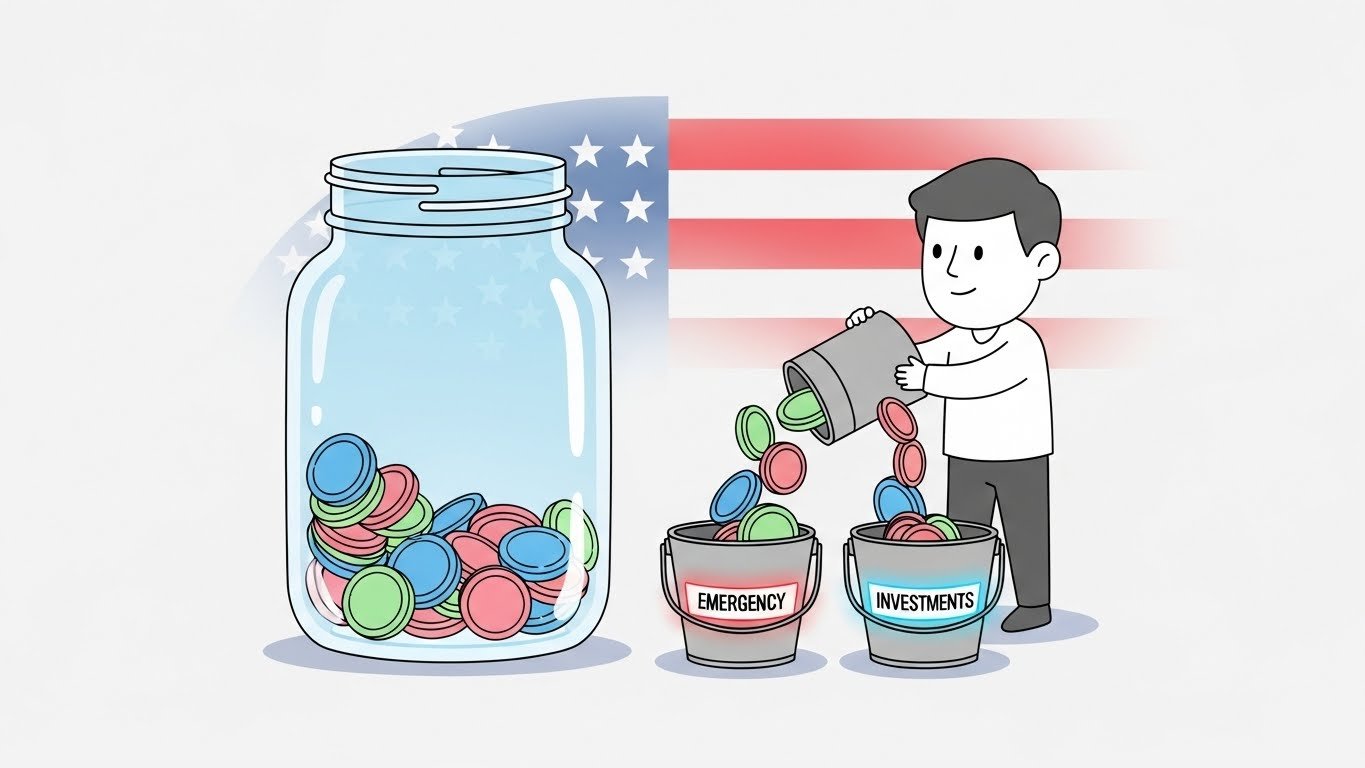
The 3 Accounts Every Saver Should Have
1. Emergency Fund (Non-Negotiable)
Your first priority is simple: at least 3–6 months of expenses in a high-yield savings account.
This protects you from job loss, unexpected bills, or medical emergencies. Without this buffer, people are forced into credit cards or loans — which turn temporary problems into long-term debt.
2. Short-Term Savings (1–3 Years)
Use this for:
• Travel
• Moving expenses
• Home repairs
• Car replacement
• Life events
This prevents you from raiding your emergency fund.
3. Long-Term/Investment Savings (3+ Years)
Once your base is stable, extra savings should grow in tax-advantaged accounts such as:
• Roth IRA
• 401(k)
• HSA (if eligible)
• Brokerage accounts
Long-term savings build wealth through compounding, not just contributions.
Where to Keep Your Savings in 2026
Banks and fintechs now offer competitive products designed specifically for savers.
Best places for savings:
• High-yield online savings accounts
• Money market accounts
• Treasury bills (short-term)
• Certificates of deposit (when rates are high)
Across 2026, high-yield accounts consistently outperform traditional banks by a wide margin. Keeping savings in a low-interest account is effectively losing money to inflation.
Automation: The Secret Weapon of Today’s Savers
Automation is the single most effective saving tool because it removes daily decision-making.
Use automation to:
• Move money instantly on payday
• Round up purchases into a savings bucket
• Trigger weekly micro-deposits
• Separate sinking funds for specific goals
When saving becomes automatic, discipline becomes irrelevant.
Mental Frameworks That Make Saving Easier
Saving is more psychology than math. Here are the frameworks that work:
1. “Future You” Thinking
Every dollar saved is a dollar earned twice — once today, once in the future.
2. The “Upgrade Delay” Rule
Before buying something new, wait 72 hours. This prevents impulse spending.
3. The “Goal Visibility” Strategy
Use trackers, progress bars, or savings apps that show your improvement visually.
4. The “Barrier Method”
Make spending slightly harder:
• Remove saved cards
• Turn off one-click purchases
• Separate fun money into its own account
These small frictions protect your savings.
What to Do When Saving Feels Impossible
If saving consistently feels out of reach:
• Audit subscriptions
• Reduce high-interest debt
• Increase income through side gigs
• Renegotiate insurance, phone, or internet bills
• Use cash envelopes for overspending categories
Even small adjustments can free hidden money in your budget.
TheDollarPulse Analysis
Saving in 2026 is not about strict rules — it’s about creating systems that work in real life. Rising prices and economic uncertainty make traditional budgeting outdated, but automated, goal-driven saving strategies allow households to build security even with modest incomes.
The core principle is simple:
Save first. Spend later. Automate everything.
This approach transforms saving from a struggle into a habit — and eventually, into wealth.