Investing in 2026 looks very different from the market your parents or grandparents grew up with. The last decade has brought tech revolutions, post-pandemic corrections, inflation spikes, geopolitical tension, and a rapid shift toward automation and AI-driven decision-making. For many new investors, this environment feels overwhelming — a landscape filled with noise, conflicting opinions, and unpredictable market swings.
Yet the foundational truth remains unchanged: investing is one of the most reliable ways to build long-term wealth. The challenge is cutting through the noise and learning how wealth is actually built in a modern financial environment. This guide explains exactly how investing works today, how to choose the right strategy, and how to grow your money steadily even when headlines seem chaotic.
The New Investing Reality: What Changed in 2026
Markets today operate faster, react more sharply, and integrate global information in real time. Several shifts define the new landscape:
• Higher sensitivity to interest rates
• Tech dominance in major indexes
• Rise of algorithmic and AI-enhanced trading
• More retail investors than ever before
• Greater geopolitical influence on markets
• Increased focus on risk control and diversification
While these factors may intimidate beginners, they actually reinforce the importance of a structured, long-term plan. In a world full of volatility, discipline becomes your edge.
Why Investing Still Works — Even When the Market Feels Uncertain
Despite all the fluctuations, history shows a consistent pattern: markets rise over the long term. Even after recessions, corrections, bubbles, or geopolitical shocks, the overall trend remains upward. This is because markets reflect innovation, population growth, corporate earnings, and economic expansion.
Key principles that remain true in 2026:
• Market downturns are temporary
• Recoveries are historically inevitable
• Compounding drives exponential gains over time
• Long-term investors outperform market-timers
You don’t need to predict the future. You only need to stay invested long enough to benefit from compounding.
The Three Core Building Blocks of a Strong Portfolio
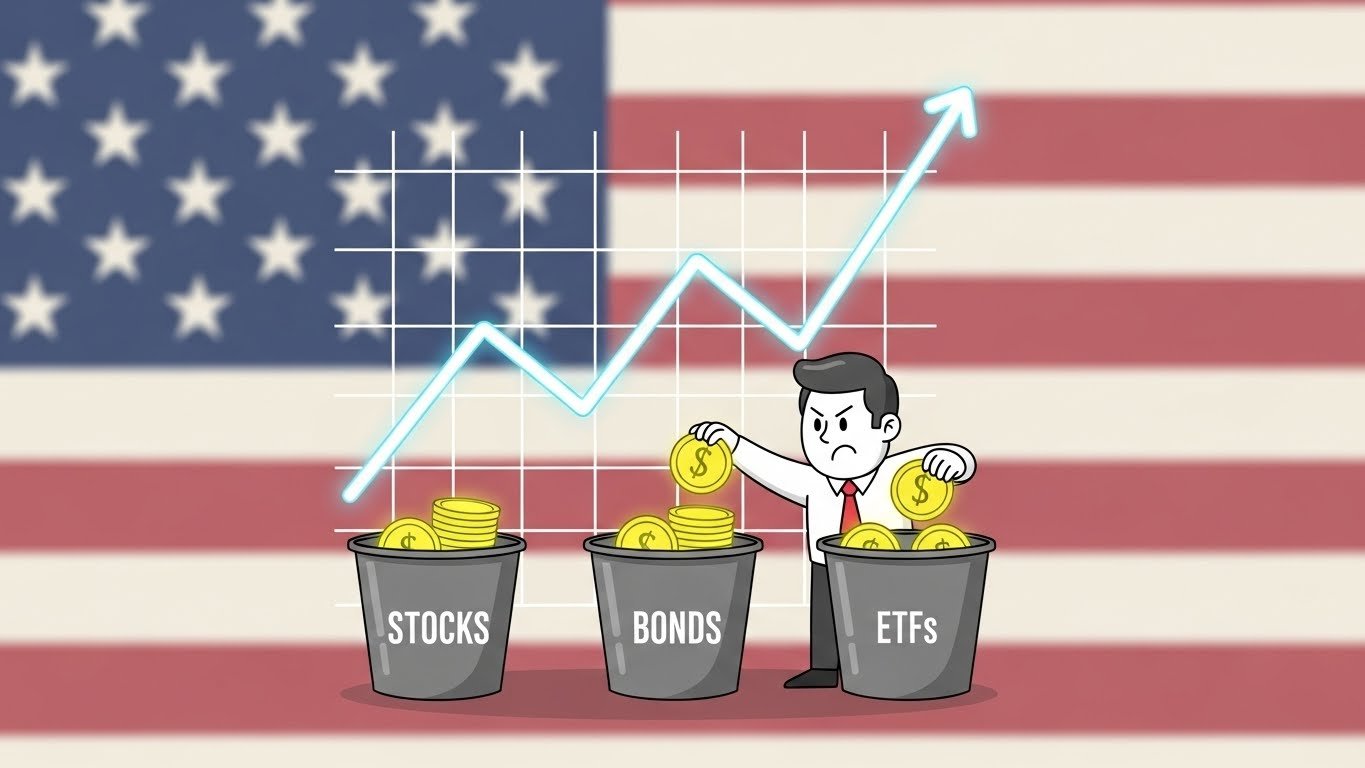
Regardless of age or risk tolerance, almost every modern portfolio uses these components:
1. Broad-Market Index Funds (The Foundation)
These funds track large sections of the market, such as the S&P 500 or total U.S. market. They provide instant diversification and low fees.
Why they matter:
• Reduce risk via diversification
• Historically strong long-term returns
• Require no active management
For beginners, this is the safest starting point.
2. Bonds (The Stabilizer)
Bonds offer lower returns but provide protection during market downturns. In 2026, with higher yields, bonds have become attractive again for balancing volatility.
3. Satellite Positions (The Growth Engine)
These include specific sectors or themes such as:
• Technology
• Renewable energy
• Healthcare innovation
• International markets
• Dividend stocks
They provide growth opportunities without dominating your portfolio.
How Much Should You Invest? A Practical Framework
Many beginners struggle with how much to invest. The answer depends on income, expenses, and goals, but here is a clear structure:
Starter Tier:
Invest 5% of income
Build investing habits without pressure.
Growth Tier:
Invest 10–15% of income
This is the standard wealth-building level.
Accelerated Tier:
Invest 20%+ of income
Ideal for financial independence or early retirement goals.
Consistency matters far more than contribution size.
The Psychology of Investing: Your Mind Is the Hardest Part
Most investment mistakes happen because people react emotionally, not logically. Market fear, social media noise, and short-term thinking lead to poor decisions.
Major psychological traps:
• Selling during market dips
• Chasing hype investments
• Checking your portfolio too often
• Comparing yourself to others online
Successful investors understand:
The goal is not to beat the market — the goal is to grow wealth steadily.
Dollar-Cost Averaging: The Beginner’s Secret Weapon
Dollar-cost averaging means investing a fixed amount on a fixed schedule — regardless of market conditions. This does three things:
- Removes emotion
- Reduces timing risk
- Builds wealth automatically
It is one of the most effective strategies for new and experienced investors.
Risk Management: The One Skill You Must Master
Good investors don’t avoid risk — they manage it. In 2026, diversification is more important than ever.
Effective risk management includes:
• Mixing stocks and bonds
• Avoiding overexposure to one sector
• Investing across global markets
• Keeping emergency savings separate from investments
• Rebalancing annually
Risk isn’t something to fear — it’s something to plan for.
The Major Mistakes That Hurt Beginner Investors
Avoid these and your performance improves dramatically:
• Waiting for the “perfect time”
• Investing without an emergency fund
• Following hype trends
• Trading too often
• Ignoring fees
• Confusing short-term volatility with long-term risk
Success comes from consistency, not perfection.
How to Start Investing in 2026: A Step-by-Step Plan
- Open a brokerage or robo-advisor account
- Build emergency savings
- Choose diversified index funds
- Automate monthly contributions
- Add satellite investments slowly
- Rebalance once a year
- Stay invested for the long term
This simple system, repeated consistently, outperforms most complex strategies.
TheDollarPulse Analysis
Investing in 2026 demands clarity, discipline, and patience. Markets will always fluctuate, and uncertainty will always exist — but wealth is built through structured, long-term participation, not reactive decisions.
The ultimate takeaway:
Investing isn’t about predicting the next move — it’s about positioning yourself for decades of growth.
Anyone can do this, regardless of starting point. The key is starting.