
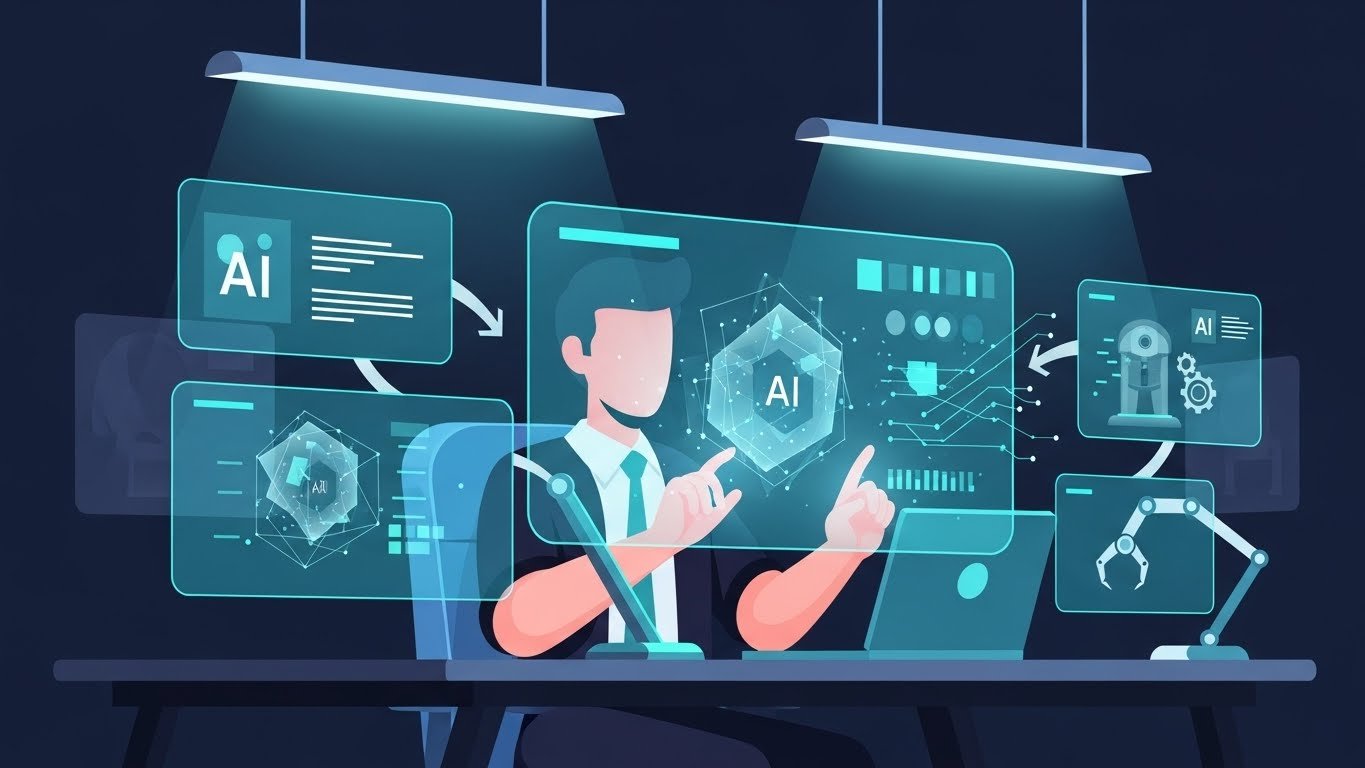
Artificial intelligence is no longer a future threat to office jobs — it’s an active force reshaping how work gets done in 2026. Instead of eliminating entire roles overnight, companies are quietly replacing specific tasks, reducing hours, and reshaping job descriptions in ways many workers don’t immediately notice.
The result is a gradual shift that affects income stability, promotion paths, and long-term career security.
How AI Is Changing Office Work Without Layoffs
Rather than mass layoffs, many employers are using AI tools to:
- Automate reporting and data entry
- Reduce administrative workloads
- Speed up customer communication
- Replace junior-level analytical tasks
- Consolidate roles across teams
This allows companies to maintain headcount while lowering labor costs over time.
Office Roles Facing the Highest Exposure
Jobs most affected tend to involve repetitive, rules-based tasks:
- Administrative assistants
- Junior analysts
- Customer support agents
- Data processing roles
- Entry-level finance and accounting positions
These roles aren’t disappearing instantly — but they are shrinking in scope.
Who Is Least Affected by AI Automation
Workers with these traits are more insulated:
- Decision-making authority
- Client-facing responsibilities
- Strategic oversight roles
- Creative problem-solving tasks
- Cross-functional expertise
AI supports these positions rather than replaces them.
How This Impacts Wages and Job Security
As AI absorbs routine work, employers gain leverage. Wage growth slows for roles perceived as “replaceable,” while compensation concentrates among higher-skill positions.
This creates a widening income gap within the same organizations.
What Workers Can Do to Stay Competitive
Practical steps include:
- Expanding skills beyond task execution
- Learning to supervise or use AI tools
- Shifting toward analysis, judgment, and communication
- Documenting value that AI cannot replicate
- Avoiding long-term dependence on routine work
Adaptation is becoming a financial necessity.
Why This Matters for Household Finances
Slower wage growth or reduced hours affect:
- Credit eligibility
- Savings rates
- Retirement contributions
- Debt repayment timelines
Understanding AI’s role in income stability helps households plan more defensively.
The Key Takeaway
AI in 2026 isn’t loudly replacing office jobs — it’s quietly reshaping them. Workers who recognize the shift early and adjust skills strategically are far more likely to protect income and long-term financial stability.