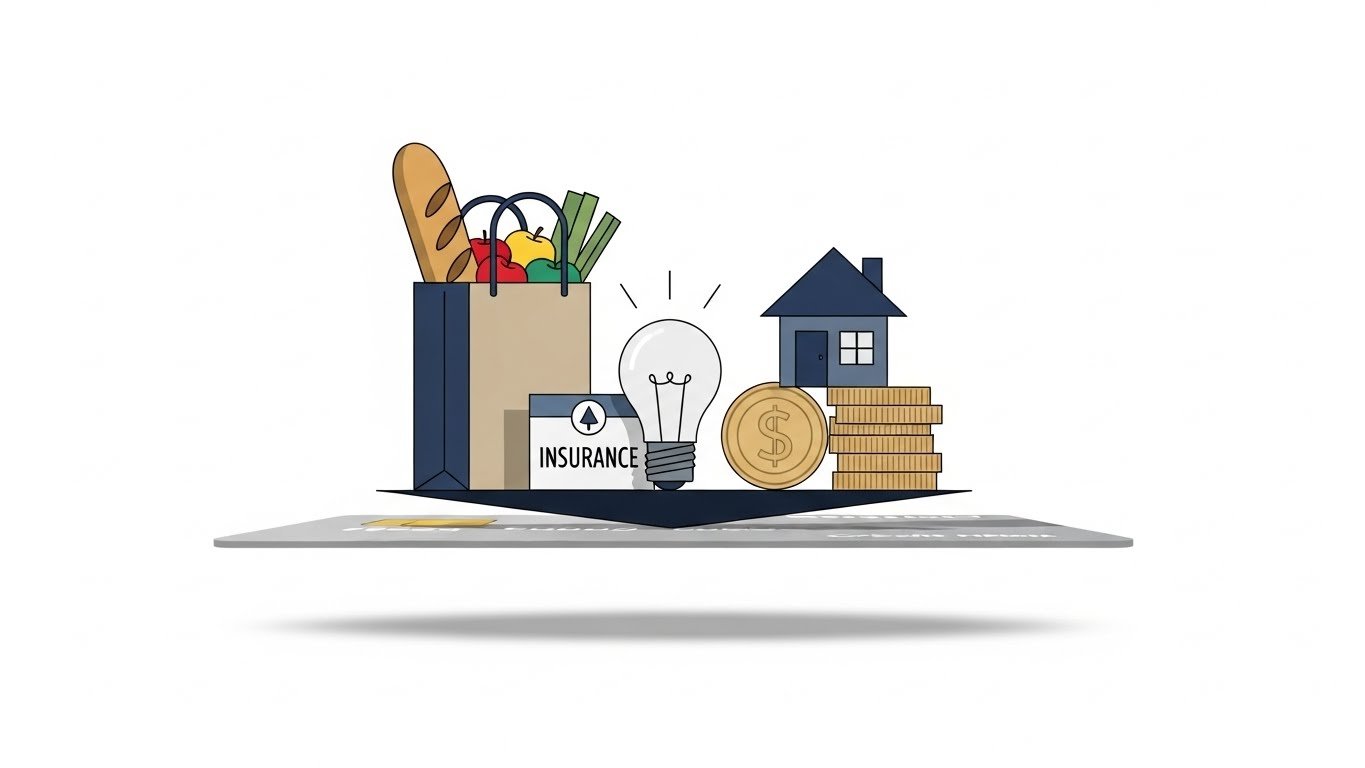
Using credit cards for everyday necessities is becoming increasingly common in 2026. Groceries, utilities, insurance premiums, and even medical bills are being charged to credit not for convenience — but out of necessity. While this helps manage short-term cash flow, it creates long-term financial risk if balances aren’t controlled.
This shift reflects broader economic pressure rather than reckless spending.
Why Essentials Are Moving to Credit
Several forces are pushing households toward credit:
- Higher fixed living costs
- Slower real wage growth
- Reduced savings buffers
- Greater income volatility
For many families, credit cards are filling gaps that cash once covered.
Why This Strategy Becomes Expensive Quickly
High interest rates make revolving balances costly. When essentials are charged repeatedly, balances grow faster than they can be paid down — even with disciplined budgeting.
Interest compounds silently, turning temporary relief into persistent debt.
Who Faces the Greatest Risk
Households most exposed include:
- Middle-income earners
- Families without emergency savings
- Consumers with variable income
- Cardholders near utilization limits
Once utilization rises, credit scores often fall, increasing borrowing costs further.
How This Impacts Credit Health
Higher balances increase utilization ratios, which can:
- Lower credit scores
- Reduce approval odds
- Trigger limit reductions
- Increase future interest rates
The effect can cascade across multiple accounts.
Practical Ways to Reduce Damage
Consumers relying on credit for essentials can:
- Separate essential spending from discretionary charges
- Make multiple payments per month
- Prioritize high-APR balances
- Pause non-essential card usage
- Build even small cash buffers
Containment is possible with early action.
Why This Trend Matters in 2026
When credit becomes a substitute for income, financial resilience weakens. Understanding the risks helps households adjust before debt becomes structural.
The Key Takeaway
Using credit cards for essentials may feel unavoidable in 2026, but without a clear exit strategy it can quietly undermine financial stability. Awareness and timely adjustments make a critical difference.