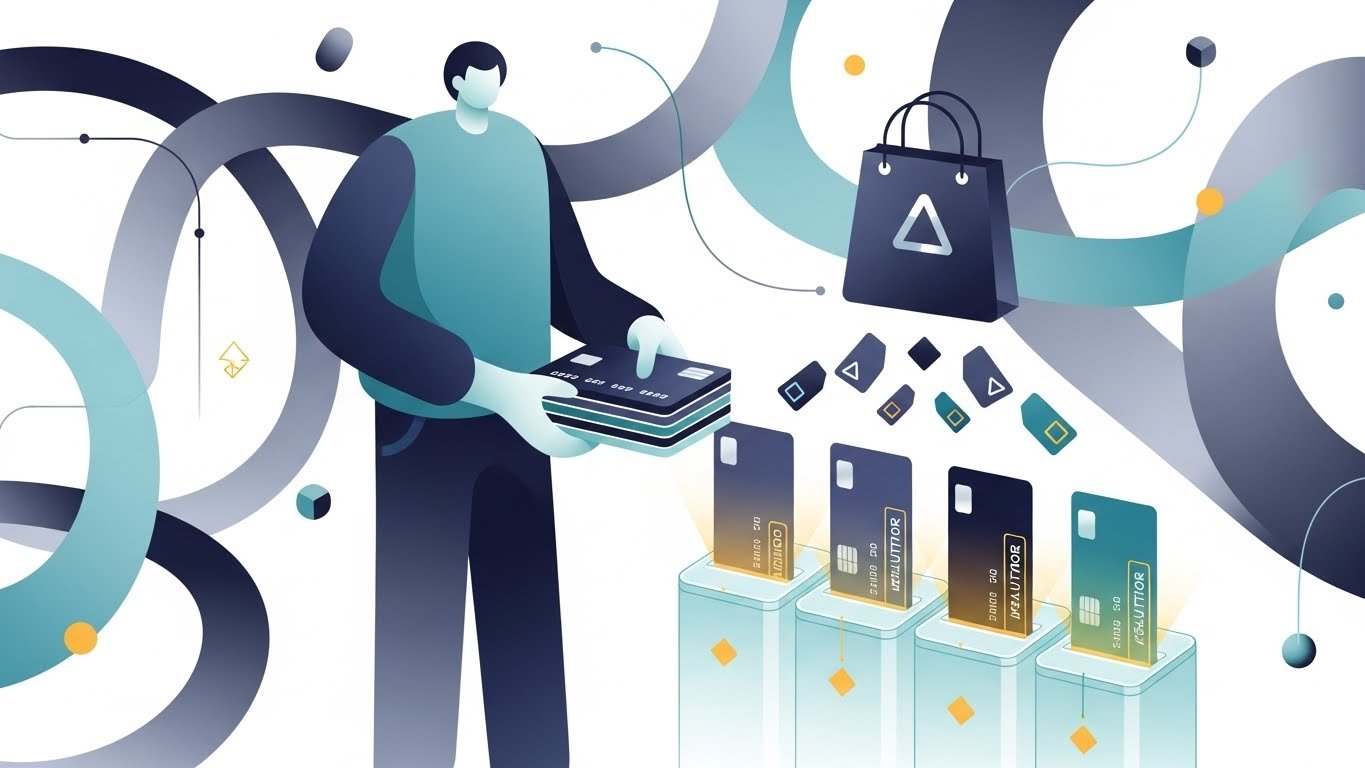
Buy now, pay later (BNPL) services continue to expand in 2026, offering consumers an easy way to spread payments without traditional credit checks. While the appeal is obvious, the long-term financial impact is becoming harder to ignore as missed payments, fees, and budget strain increase.
For many users, BNPL feels harmless — until it isn’t.
Why BNPL Usage Keeps Rising
Several factors drive adoption:
- High credit card interest rates
- Rising everyday expenses
- Desire to preserve cash flow
- Simple approval processes
- Integration into online shopping
BNPL fills a gap when other credit feels expensive or inaccessible.
The Costs Consumers Don’t Always See
While many plans advertise “no interest,” costs can still appear:
- Late payment fees
- Accumulated small balances across platforms
- Reduced spending visibility
- Overlapping payment schedules
These issues make budgeting harder over time.
How BNPL Affects Credit Health
In 2026, more BNPL providers are sharing data with credit bureaus. Missed payments can now affect credit scores, even when users assume BNPL is separate from traditional credit.
Multiple BNPL plans can also signal financial stress to lenders.
Who Is Most at Risk of Problems
Consumers most affected include:
- Younger borrowers
- Shoppers using multiple BNPL services
- Households without emergency savings
- Individuals already carrying credit card balances
The ease of use can mask rising obligations.
How to Use BNPL More Safely
If using BNPL, consumers should:
- Limit the number of active plans
- Track all payment due dates
- Avoid using BNPL for essentials
- Treat BNPL like any other debt
- Pause new plans if balances accumulate
Discipline matters as much as convenience.
Why This Trend Matters in 2026
As BNPL becomes mainstream, its role in household debt grows. What starts as a spending tool can quietly reshape budgets and borrowing capacity.
The Key Takeaway
BNPL in 2026 offers flexibility — but not without risk. Consumers who understand the hidden costs and manage usage carefully can avoid turning short-term convenience into long-term financial strain.