
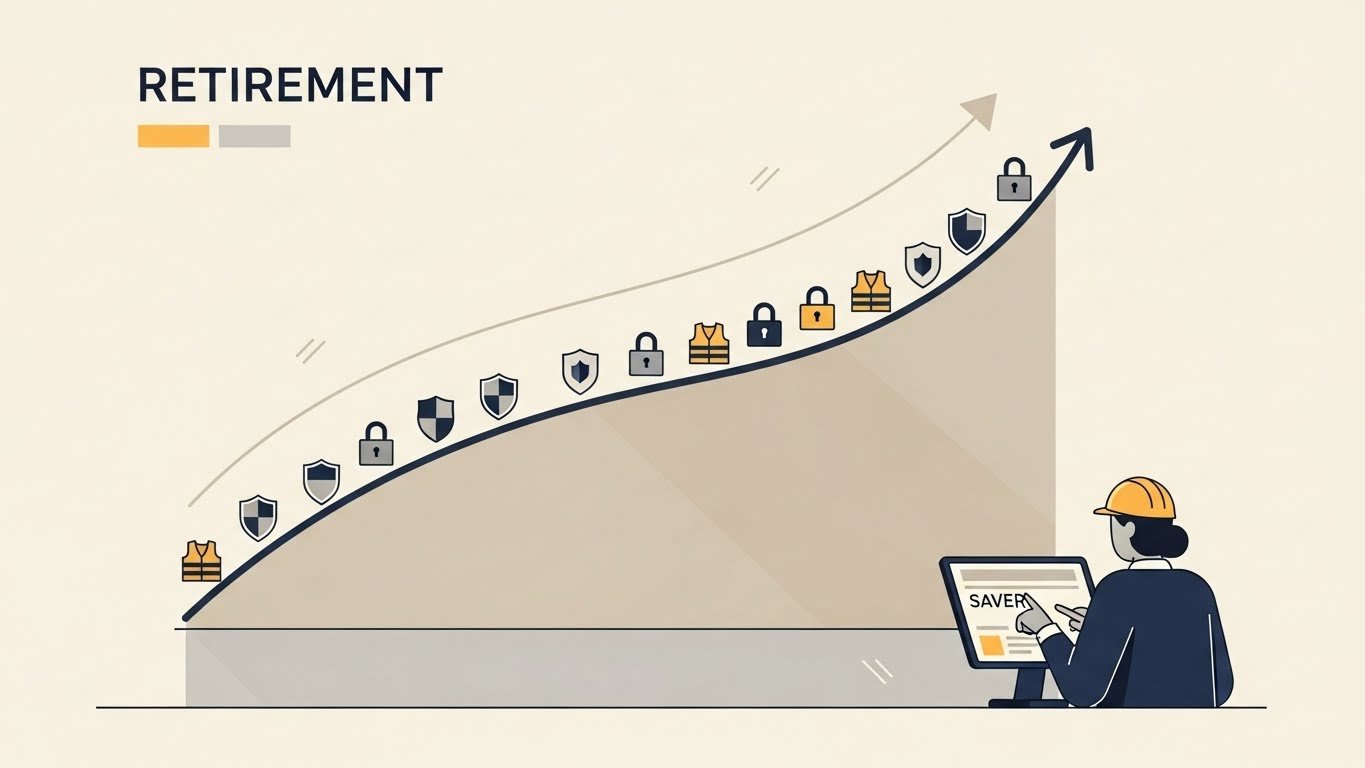
Many retirement plans in 2026 are quietly shifting toward more conservative allocations. While this approach reduces short-term volatility, it can also limit long-term growth — especially for savers who still have many years before retirement.
For participants, the change often happens automatically, without explicit consent.
Why Retirement Plans Are Reducing Risk
Plan managers are reacting to:
- Market volatility
- Participant complaints during downturns
- Regulatory pressure
- A growing number of near-retirement workers
To protect against short-term losses, plans tilt toward stability.
How Conservative Allocations Affect Returns
Lower-risk portfolios typically include:
- Higher bond exposure
- Lower equity allocation
- Reduced international diversification
While safer in the short term, these choices can significantly reduce compounded growth over decades.
Who Is Most at Risk of Falling Behind
Participants most affected include:
- Younger workers defaulted into conservative options
- Employees who never review allocations
- Savers relying solely on target-date defaults
- Workers assuming “safer” always means better
Time horizon matters more than comfort.
Why Defaults Can Be Misleading
Target-date and default funds are designed for average behavior — not individual goals. As plans become more conservative overall, defaults may no longer align with personal timelines.
Passive participation can be costly.
How to Review and Adjust Safely
Savers should:
- Review asset allocation annually
- Align risk with years to retirement
- Understand glide path assumptions
- Avoid reacting emotionally to short-term swings
- Make gradual adjustments instead of drastic moves
Awareness restores control.
What This Means for Retirement Security
Overly conservative strategies may protect balances today but reduce income flexibility later. Growth sacrificed early is hard to recover.
The Key Takeaway
In 2026, retirement plans are prioritizing stability — sometimes at the expense of growth. Savers who understand allocation shifts and act intentionally are better positioned to secure long-term retirement outcomes.