
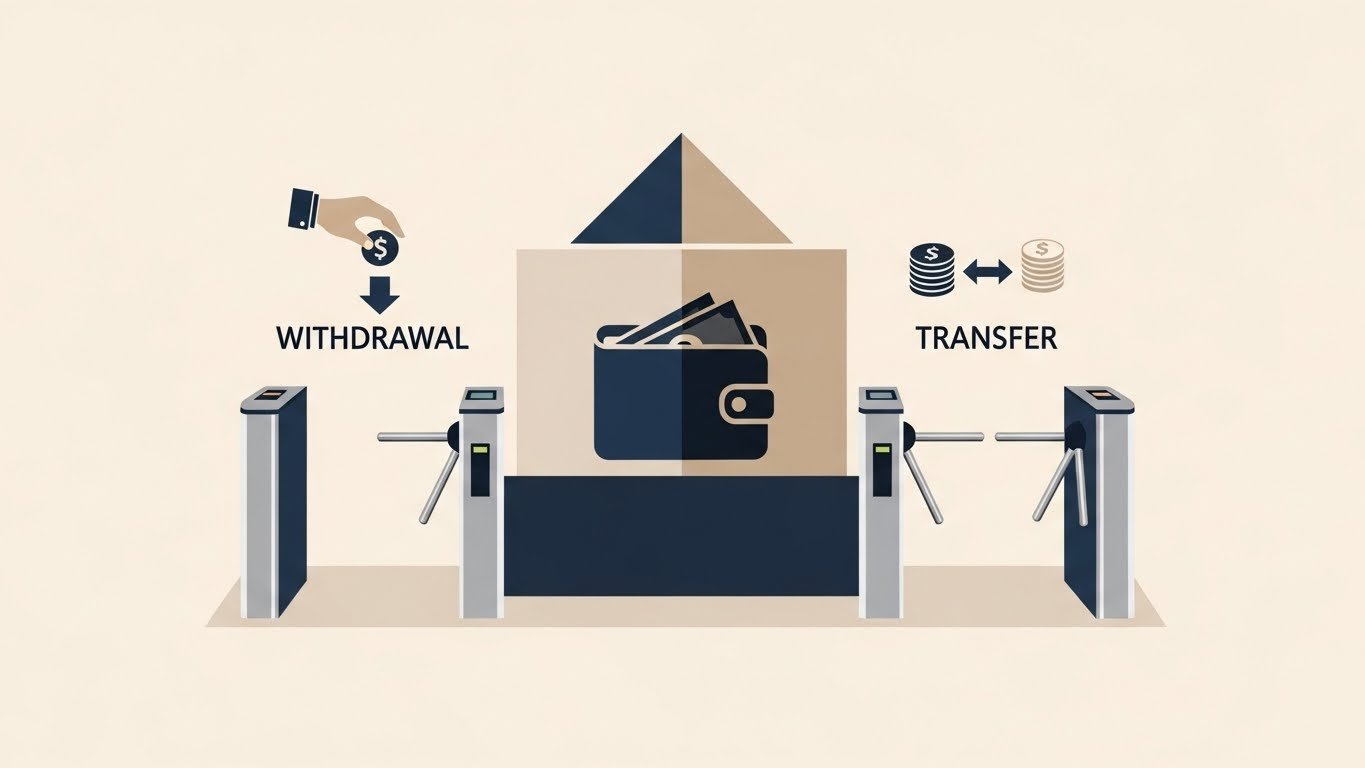
U.S. banks are quietly tightening rules around withdrawals and transfers in 2026. While accounts remain accessible, limits, verification steps, and timing rules are becoming stricter — catching many customers off guard when they need money quickly.
Understanding these changes helps avoid delays, fees, and temporary account restrictions.
Why Banks Are Changing Access Rules
Several drivers are behind the shift:
- Increased fraud and scam activity
- Stronger compliance requirements
- Higher operational risk controls
- Greater reliance on automated monitoring
These changes aim to protect accounts, but they also reduce flexibility.
What’s Changing for Withdrawals and Transfers
Customers are seeing:
- Lower daily transfer limits
- Longer holds on large withdrawals
- Additional verification for unusual activity
- Delays on first-time payees
- Restrictions on same-day transfers
Rules vary by bank and account type.
Who Is Most Likely to Be Affected
The impact is greater for:
- Customers moving large sums infrequently
- Accounts with recent changes or inactivity
- Users relying on peer-to-peer transfers
- Customers without recent verification updates
Unusual activity triggers closer review.
How These Changes Affect Cash Flow
Tighter access rules can:
- Delay bill payments
- Disrupt closing timelines or purchases
- Force reliance on credit cards
- Create stress during emergencies
Planning ahead becomes essential.
How to Avoid Problems
Consumers can reduce risk by:
- Verifying identity and contact info regularly
- Testing transfers before urgent needs
- Keeping multiple access options available
- Understanding bank-specific limits
- Maintaining consistent account activity
Preparation prevents disruption.
Why This Matters in 2026
As financial systems become more automated, access to funds depends more on patterns than balances. Knowing the rules protects liquidity when it matters most.
The Key Takeaway
In 2026, having money in the bank doesn’t guarantee instant access. Customers who understand transfer and withdrawal rules — and plan accordingly — avoid unnecessary delays and fees.