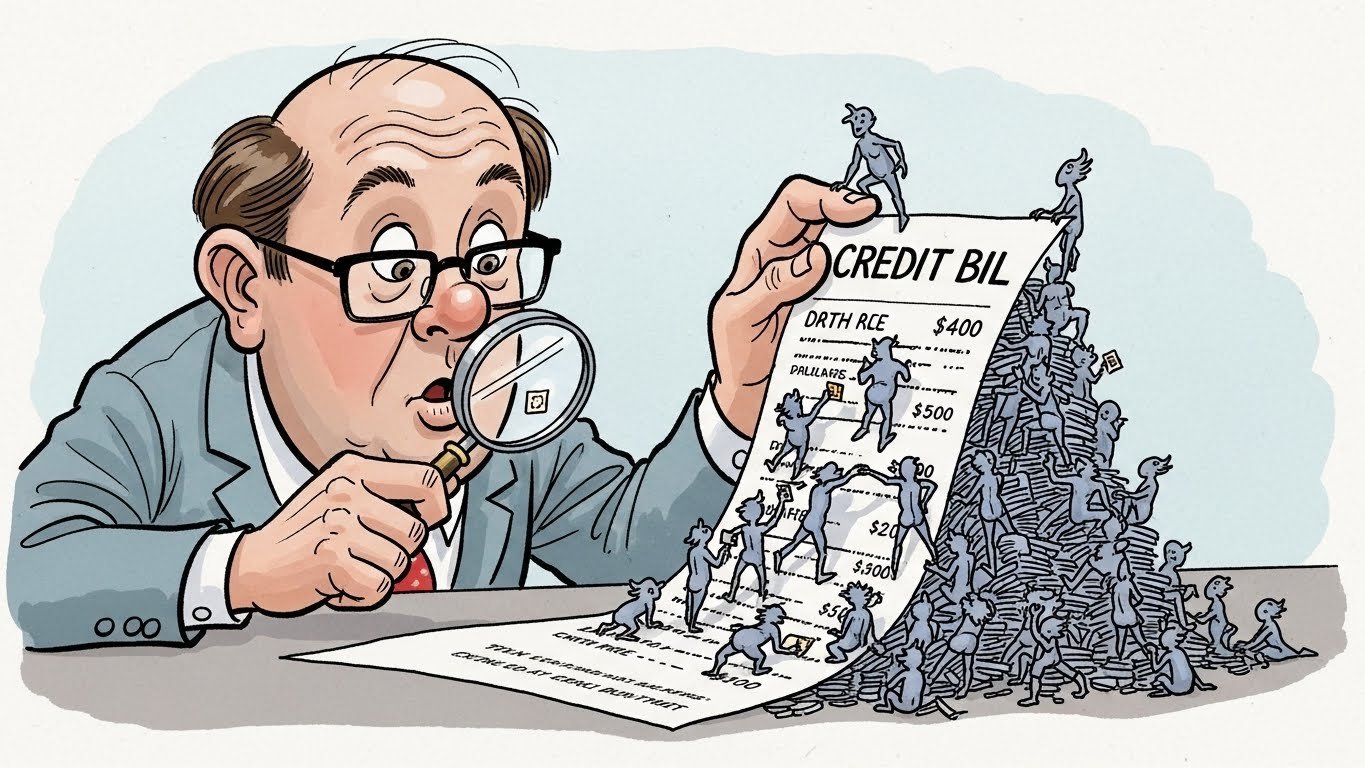
Many consumers expected credit costs to stabilize in 2026. Instead, borrowing is quietly getting more expensive. Even without headline rate increases, banks and lenders are raising the real cost of credit through fees, tighter terms, and internal pricing changes that rarely make the news.
For households relying on credit, the difference shows up month after month.
Why Credit Costs Are Rising Without Rate Headlines
Lenders are adjusting pricing through:
- Higher penalty APRs triggered faster
- Shorter grace periods
- Reduced promotional offers
- Stricter balance transfer terms
- Fee adjustments tied to risk profiles
These changes don’t require policy moves — only internal decisions.
How “Invisible” Costs Add Up
Many borrowers feel the impact through:
- Interest accruing sooner after purchases
- Fees replacing benefits that used to offset costs
- Smaller reward earnings that once softened interest expense
The result is a higher effective APR — even when the stated rate looks unchanged.
Which Borrowers Are Paying the Most
The biggest increases are hitting:
- Consumers carrying revolving balances
- Borrowers near utilization limits
- Accounts flagged for “elevated risk”
- Customers missing occasional payments
Small behavior changes can move accounts into more expensive tiers.
Why Banks Are Doing This Now
Lenders face:
- Higher funding costs
- Increased defaults in certain segments
- Regulatory and compliance expenses
- Pressure to protect margins
Passing costs quietly is easier than raising headline rates.
How This Impacts Household Budgets
Higher credit costs:
- Slow debt payoff timelines
- Reduce cash flow flexibility
- Increase reliance on minimum payments
- Raise long-term interest expense
The effect compounds over time.
What Consumers Can Do to Pay Less
Effective moves include:
- Paying balances before interest accrues
- Reducing utilization below key thresholds
- Avoiding triggers for penalty APRs
- Reviewing statements for fee changes
- Consolidating or refinancing selectively
Timing and attention matter more than complex strategies.
What to Watch Going Forward
Signals that costs may rise further:
- Reduced promotional offers
- More frequent account reviews
- Higher fees replacing rewards
- Tighter approval standards
These precede broader changes.
The Key Takeaway
In 2026, credit is getting more expensive quietly, not dramatically. Consumers who understand where costs hide — and act early — can significantly reduce what they pay over time.