In 2026, U.S. consumers are still spending — but not the way they used to. Discretionary spending is being trimmed quietly as households reassess priorities amid higher costs and uncertain economic signals. Travel upgrades, dining out, entertainment, and non-essential purchases are increasingly delayed or scaled back.
This shift offers a clearer window into consumer confidence than headline spending data alone.
What Counts as Discretionary Spending
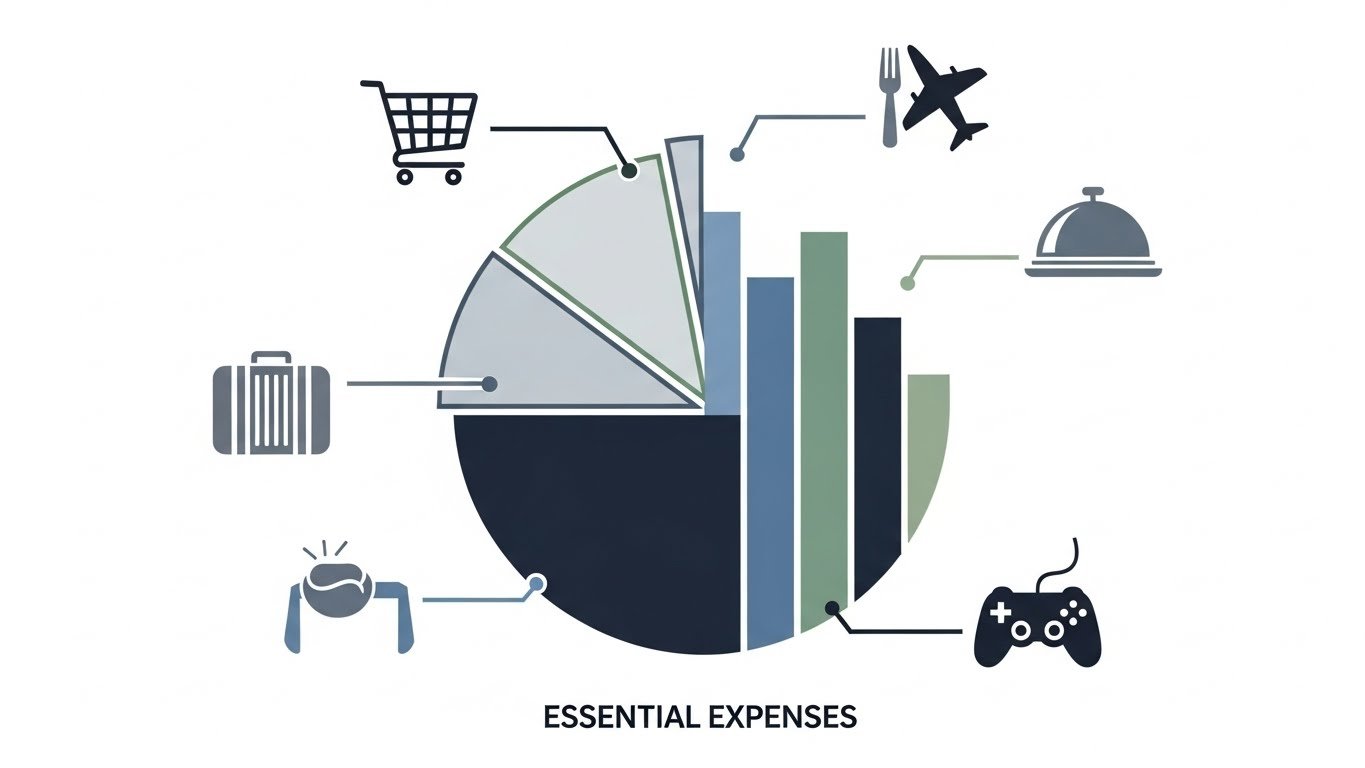
Discretionary categories typically include:
- Travel and vacations
- Dining out and entertainment
- Apparel and accessories
- Electronics upgrades
- Subscription-based leisure services
These are the first areas households adjust when budgets tighten.
Why Households Are Pulling Back
Several pressures are driving caution:
- Persistent increases in essential expenses
- Higher interest costs on revolving credit
- Slower real wage growth
- Desire to rebuild savings buffers
Consumers are choosing resilience over indulgence.
How This Behavior Shows Up in the Data
Retailers and service providers report:
- Smaller transaction sizes
- Fewer impulse purchases
- Greater sensitivity to discounts
- Longer decision cycles for upgrades
Demand hasn’t vanished — it’s become selective.
Which Households Are Cutting Back the Most
The pullback is strongest among:
- Middle-income families
- Households with recent debt increases
- Consumers without emergency savings
- Younger adults balancing housing and credit costs
These groups face tighter trade-offs.
What This Means for Businesses
Companies dependent on discretionary spending face:
- Softer demand
- More promotional pricing
- Pressure on margins
- Increased competition for fewer dollars
Adaptability becomes essential.
Why This Matters for the Broader Economy
Discretionary spending often fuels growth. When it slows, economic expansion becomes more uneven — with essentials holding up while non-essentials lag.
This dynamic influences hiring, investment, and pricing strategies.
What to Watch Next
Key indicators include:
- Consumer confidence surveys
- Credit card spending by category
- Promotional intensity
- Savings rate trends
Together, these signals show whether caution deepens or stabilizes.
The Key Takeaway
In 2026, Americans aren’t stopping spending — they’re prioritizing. Reduced discretionary purchases reflect cautious confidence, not collapse, offering important insight into the real state of household finances.