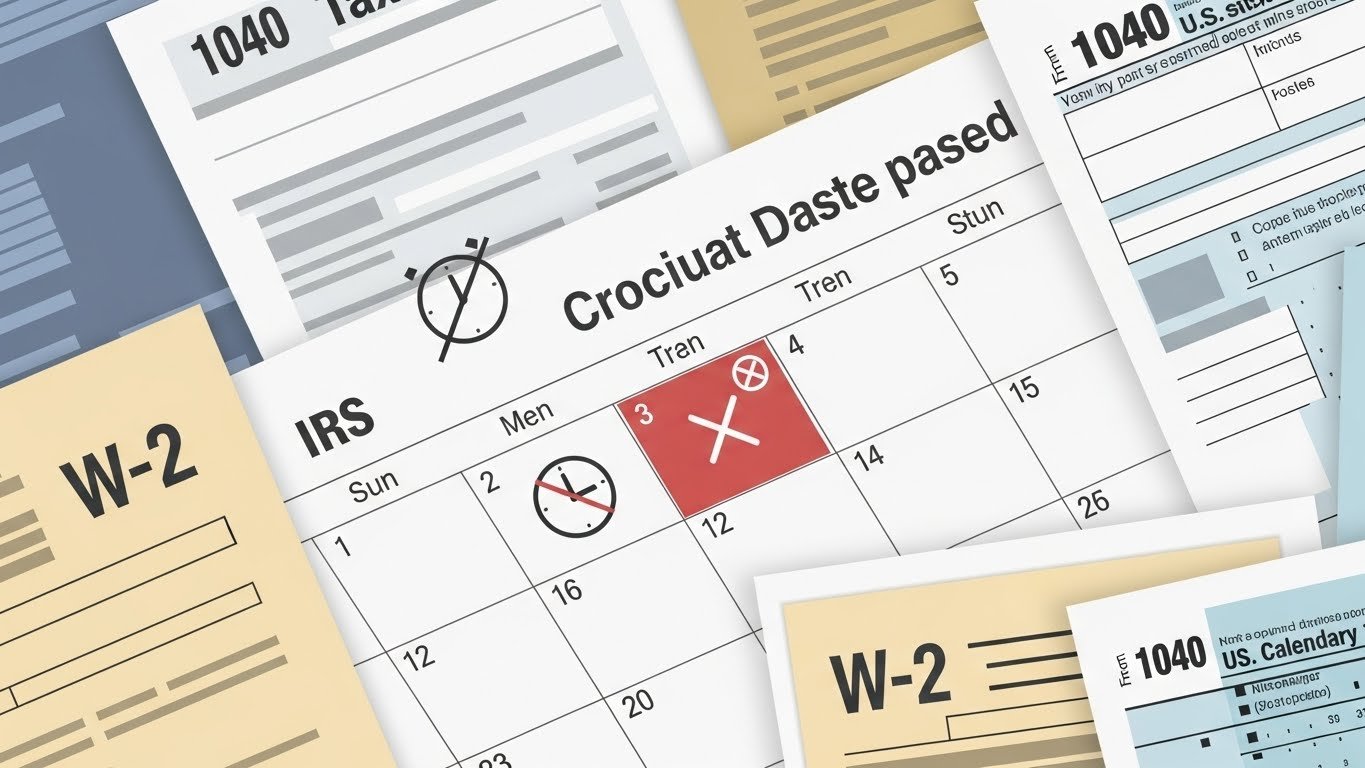
Missing a federal tax payment in 2026 can trigger immediate financial consequences for millions of Americans. Even taxpayers who file correctly may face penalties, interest charges, and enforcement actions if payments arrive late.
This matters now because tighter IRS systems are accelerating how quickly penalties apply. U.S. households with variable income, side work, or unexpected tax bills are the most affected.
How the IRS Treats Missed Payments in 2026
When a tax payment is missed, the IRS does not wait for an audit to act. Penalties begin automatically, regardless of intent.
Two main charges apply:
- Failure-to-pay penalty
- Daily interest accrual
These start the day after the payment deadline.
How Penalties Add Up Over Time
The failure-to-pay penalty is calculated monthly and increases the longer the balance remains unpaid. Interest compounds daily, tied to federal rates set quarterly.
Even a short delay can significantly increase the final amount owed.
Who Is Most Likely to Miss a Payment
Missed payments are more common among:
- Self-employed workers
- Gig economy earners
- Dual-income households with side income
- Taxpayers who updated withholding late
Complex income increases the risk of underpayment.
Why Filing on Time Still Matters
Filing a return on time — even without full payment — reduces penalties. The IRS treats filing and payment as separate obligations.
Failing to file carries far harsher consequences than failing to pay.
Payment Plans and Relief Options
The IRS offers installment agreements that:
- Spread payments over time
- Reduce enforcement risk
- Often lower overall penalties
However, interest continues to accrue until the balance is paid.
When Enforcement Escalates
If balances remain unpaid for extended periods, the IRS may:
- Apply liens
- Offset future refunds
- Garnish wages in severe cases
These actions usually follow multiple notices.
Why This Matters Financially
Tax penalties are non-dischargeable in many cases and can complicate credit, cash flow, and long-term planning.
Addressing missed payments early limits damage.
Key Takeaway
In 2026, missing a federal tax payment triggers automatic costs quickly. Filing on time, understanding penalties, and arranging payment options early are the most effective ways to limit financial impact.