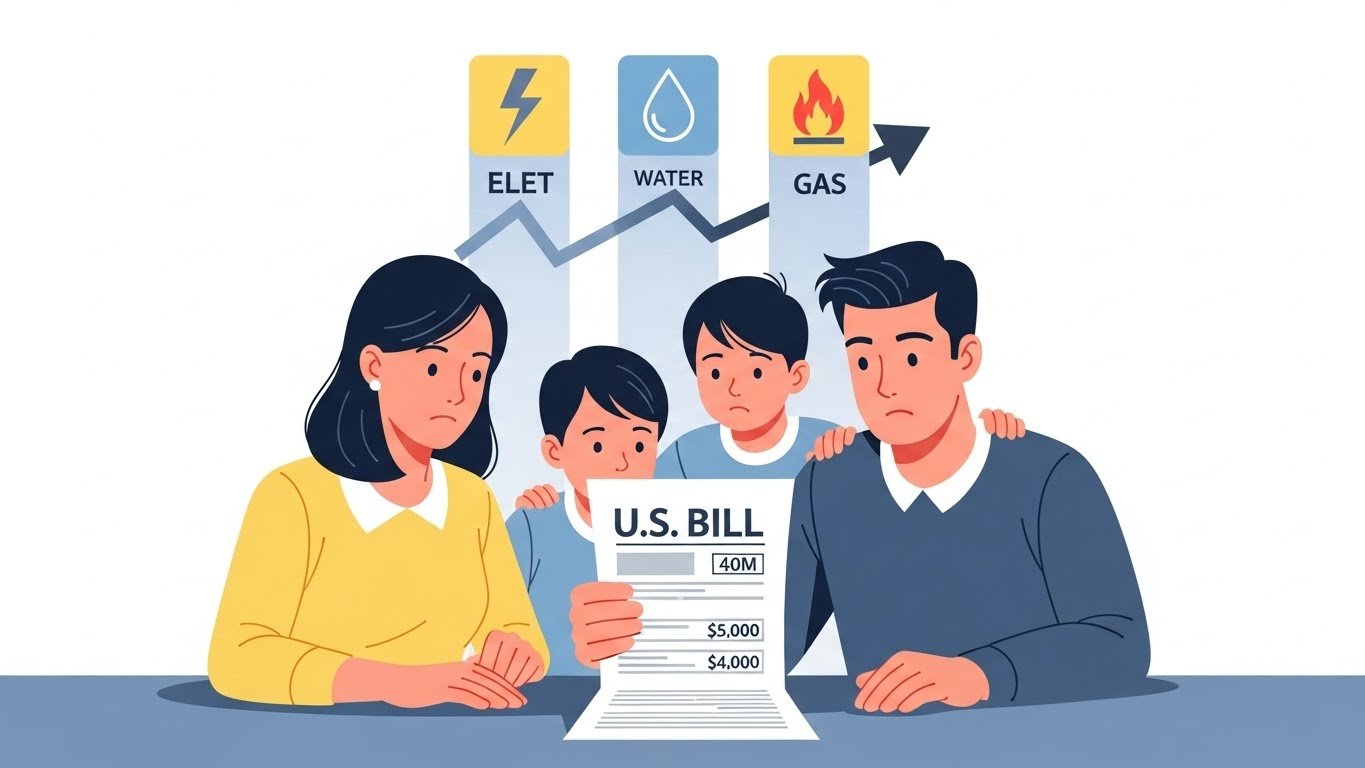
Utility bills are becoming a growing pressure point for American households in 2026. Electricity, natural gas, water, and waste services are all trending higher in many regions, often without dramatic headlines or clear explanations.
This matters now because utilities are non-negotiable expenses. When they rise, families must adjust elsewhere — often turning to credit or reducing savings.
Why Utility Costs Are Increasing
Several factors are pushing bills higher:
- Infrastructure upgrades and maintenance
- Higher fuel and generation costs
- Increased labor and compliance expenses
- Climate-related demand spikes
- Regional pricing differences
Unlike retail prices, utility costs rarely move downward once raised.
Which Utilities Are Rising the Most
Households are seeing the largest increases in:
- Electricity during peak seasons
- Natural gas in colder regions
- Water and sewage fees tied to infrastructure investment
Seasonal fluctuations amplify these increases.
Why Increases Feel Sudden
Utility providers often apply approved rate hikes all at once. Consumers may not notice until the first bill arrives at the higher rate.
Automatic payments reduce visibility, making changes feel abrupt.
Who Is Most Affected
The impact is greatest for:
- Fixed-income households
- Renters with utilities not included in rent
- Families in extreme climate zones
- Homes with older, inefficient systems
Limited flexibility magnifies the burden.
How Higher Utility Bills Affect Budgets
Rising utility costs:
- Reduce discretionary spending
- Increase reliance on short-term credit
- Slow progress on savings goals
- Add stress to monthly cash flow planning
Because utilities are essential, cuts elsewhere become necessary.
Ways Households Are Reducing Impact
Effective adjustments include:
- Monitoring usage more closely
- Shifting consumption outside peak hours
- Upgrading efficiency where possible
- Reviewing billing plans and rate options
Small behavior changes can produce meaningful savings.
Why This Trend Matters for Inflation
Utility prices influence overall cost-of-living measures. Persistent increases contribute to household inflation even when other categories stabilize.
What to Watch Going Forward
Consumers should pay attention to:
- Rate adjustment notices
- Seasonal pricing changes
- Local utility commission decisions
- Usage trends month to month
Awareness improves budgeting accuracy.
Key Takeaway
In 2026, rising utility bills are quietly reshaping household budgets. Understanding what’s driving the increases — and how to manage usage — helps families absorb higher costs without sacrificing financial stability.