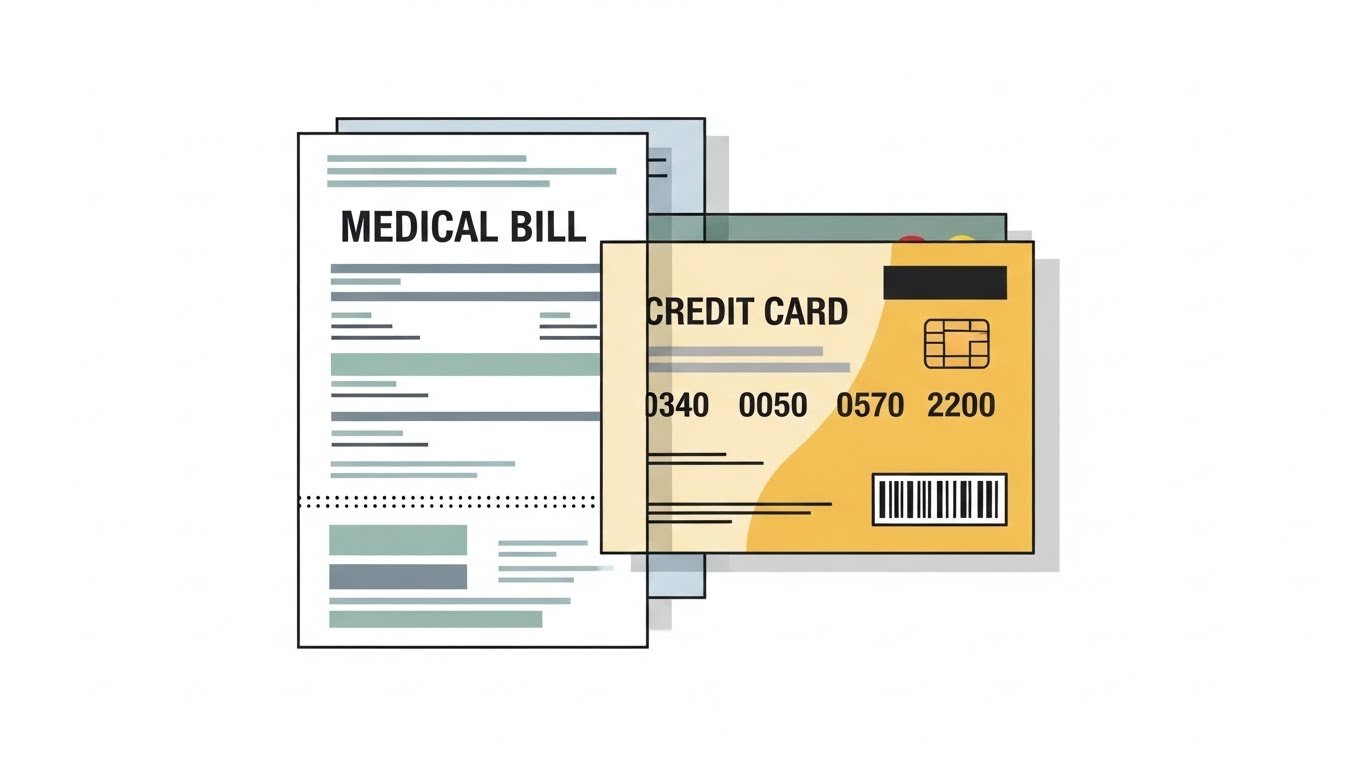
In 2026, medical expenses are increasingly being paid with credit cards. For many U.S. households, this choice feels like the fastest way to manage unexpected healthcare costs — especially when insurance coverage falls short.
This matters now because medical debt financed through high-interest credit is changing how families experience healthcare costs, often turning short-term expenses into long-term financial strain.
Why Medical Costs Are Moving to Credit Cards
Several factors are driving this shift:
- High deductibles and out-of-pocket limits
- Delayed or unclear insurance billing
- Limited access to affordable payment plans
- Need to resolve balances quickly
When faced with urgency, credit cards become the default option.
How Medical Credit Card Debt Differs From Other Expenses
Unlike discretionary spending, medical charges:
- Are often unexpected
- Cannot be delayed easily
- May arrive weeks after treatment
- Are rarely budgeted in advance
This makes repayment more stressful and less predictable.
Why Interest Changes the Real Cost of Care
Once medical bills are placed on a credit card, interest begins accruing almost immediately. Over time, the total cost of care can increase significantly — even when the original medical charge was reasonable.
Many patients focus on the bill amount, not the financing cost.
Who Is Most Affected in 2026
Medical credit card debt is most common among:
- Households with high-deductible plans
- Families managing chronic conditions
- Individuals without emergency savings
- Patients receiving out-of-network care
These groups face higher exposure to compounding costs.
How This Type of Debt Affects Credit Health
Carrying medical balances on cards can:
- Increase utilization ratios
- Lower credit scores
- Reduce borrowing flexibility
- Trigger higher interest on other accounts
The financial impact often extends beyond healthcare.
Why This Trend Is Hard to Reverse
Medical expenses are recurring for many families. Once credit becomes the default payment method, balances can accumulate faster than they are paid down.
This creates a cycle that’s difficult to break without structural changes.
What Patients Can Do Before Using Credit
Alternatives that reduce long-term cost include:
- Requesting itemized bills
- Asking providers about payment plans
- Confirming insurance adjustments before paying
- Prioritizing lower-interest options
Timing and information matter.
Why This Matters for Household Stability
Medical credit card debt blurs the line between healthcare and consumer debt. When health expenses rely on revolving credit, financial recovery becomes slower and more fragile.
Key Takeaway
In 2026, paying medical bills with credit cards is becoming common — but costly. Understanding how healthcare expenses translate into long-term debt helps households protect both financial and physical well-being.