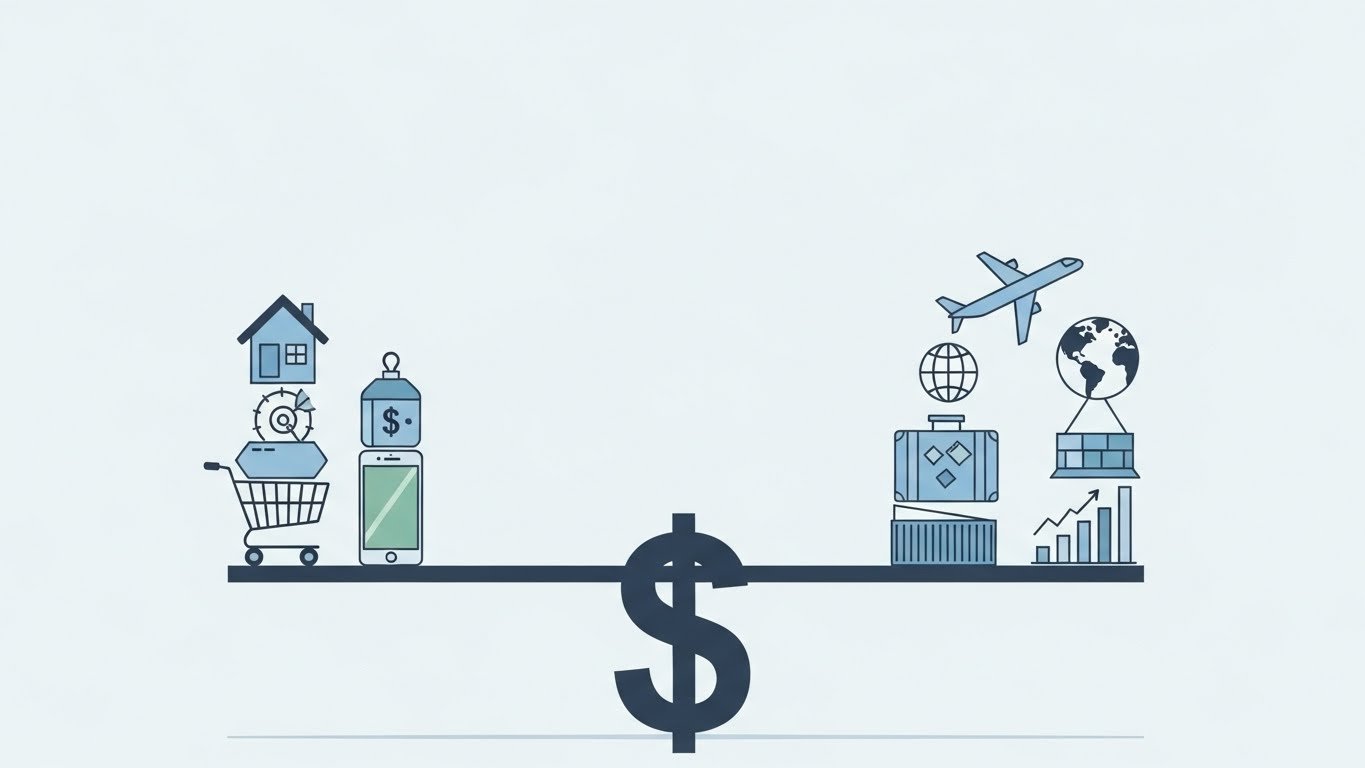
In 2026, the strength of the U.S. dollar is quietly influencing everyday financial decisions. From imported goods to travel costs and investment returns, currency movements are shaping outcomes for American households and businesses alike.
This matters now because exchange rates affect prices and profitability long before consumers notice a clear explanation on receipts or statements.
Why the Dollar Is Strong in 2026
Several forces are supporting the dollar:
- Relative economic stability in the U.S.
- Higher yields compared to other major economies
- Global demand for dollar-denominated assets
- Risk-averse capital flows
Currency strength reflects both policy and perception.
How a Strong Dollar Affects Consumer Prices
A stronger dollar can:
- Lower prices for imported goods
- Reduce costs for some raw materials
- Offset inflation in certain categories
However, savings are uneven and often delayed before reaching consumers.
Why Some Prices Don’t Fall
Not all benefits are passed through. Contracts, transportation costs, and domestic pricing power can keep prices elevated even when import costs decline.
Currency effects are filtered, not immediate.
Who Benefits the Most
Groups that tend to benefit include:
- Consumers buying imported electronics or goods
- U.S. travelers abroad
- Companies relying on imported inputs
Purchasing power improves in specific scenarios.
Who Faces Headwinds
A strong dollar can pressure:
- Export-oriented U.S. businesses
- Companies earning revenue overseas
- Domestic manufacturers competing globally
Earnings translated back into dollars may shrink.
How This Affects Investments
For investors, dollar strength:
- Influences returns on international assets
- Affects multinational company earnings
- Alters commodity pricing
Currency movements add a layer of risk and opportunity.
Why the Dollar Matters Even If You Don’t Invest
Currency strength shapes:
- Price stability
- Corporate profits
- Job conditions in export-heavy sectors
Its impact reaches beyond financial markets.
What to Watch Going Forward
Key indicators include:
- Federal Reserve policy signals
- Global growth trends
- Trade balances
- Currency market volatility
These factors guide future dollar movements.
Why This Matters for the Broader Economy
The dollar’s strength affects competitiveness, inflation dynamics, and capital flows. Its influence touches nearly every corner of the U.S. economy.
Key Takeaway
In 2026, a strong dollar is quietly reshaping spending, travel, and investment outcomes. Understanding who benefits — and who faces pressure — helps Americans interpret economic shifts beyond headlines.