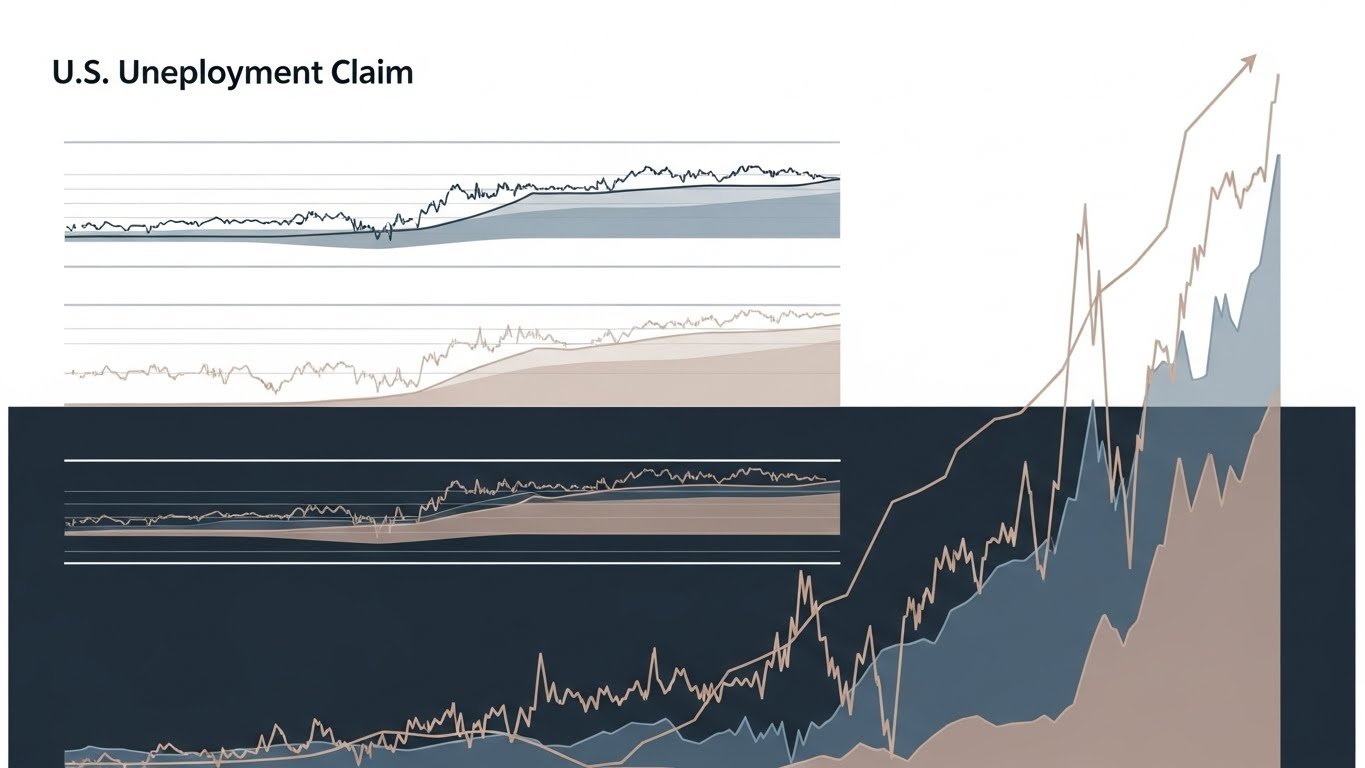
In 2026, weekly unemployment claims in the United States are sending mixed signals. Headlines often swing between optimism and concern, leaving many workers unsure about what the data really means.
This matters now because job security influences spending, saving, and borrowing decisions. Understanding what’s behind the numbers helps American workers interpret risk more accurately.
What Unemployment Claims Measure
Unemployment claims track how many people file for jobless benefits for the first time. They are one of the most closely watched indicators of labor market stress.
Because they update weekly, they can react quickly to changes in hiring or layoffs.
Why the Data Looks Inconsistent
Several factors contribute to mixed readings:
- Seasonal adjustments
- Temporary layoffs and recalls
- Industry-specific slowdowns
- Regional labor market differences
Short-term fluctuations don’t always indicate a broader trend.
Which Sectors Are Seeing More Claims
Higher claim activity is appearing in:
- Technology and related services
- Logistics and transportation
- Certain manufacturing segments
At the same time, healthcare and service roles remain relatively stable.
Why Claims Can Rise Without a Recession
Claims may increase even when:
- Overall employment remains high
- Layoffs are targeted, not widespread
- Job switching remains active
The labor market can cool unevenly.
How This Affects Workers’ Financial Decisions
Mixed signals often lead workers to:
- Delay job changes
- Increase emergency savings
- Reduce discretionary spending
- Avoid taking on new debt
Perceived risk shapes behavior before conditions worsen.
What Employers Are Doing Differently
Many employers are:
- Freezing hiring instead of laying off
- Using temporary contracts more often
- Adjusting hours rather than headcount
These strategies soften headline job losses.
Why This Matters for the Broader Economy
Employment stability supports consumer spending. When job confidence weakens, growth becomes more cautious even without a sharp downturn.
Labor data often leads broader economic shifts.
What to Watch Going Forward
Key indicators include:
- Four-week averages of claims
- Continuing claims levels
- Job opening and quit rates
- Wage growth trends
Together, they provide a clearer picture than any single data point.
Key Takeaway
In 2026, unemployment claims reflect a labor market adjusting — not collapsing. Understanding the nuances behind weekly numbers helps American workers and households make more informed financial decisions.