
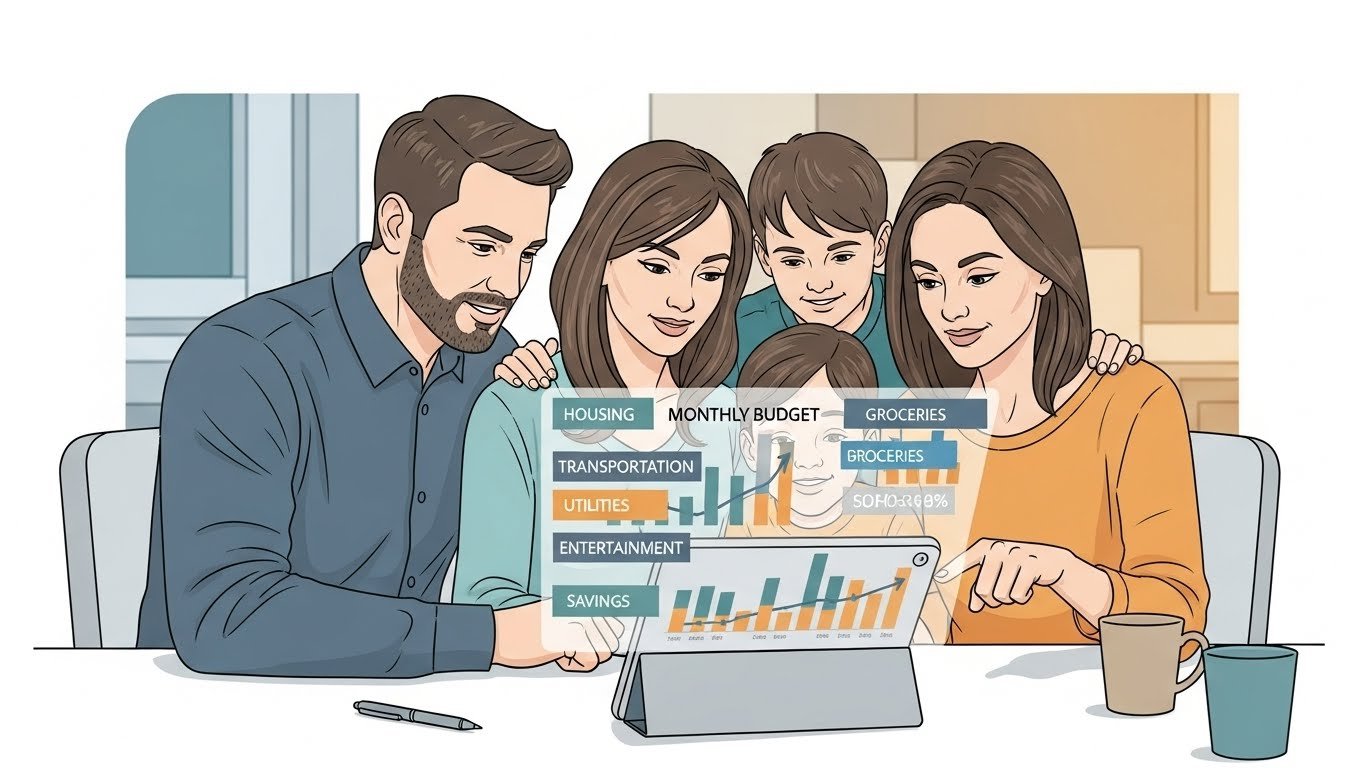
In 2026, many American households are taking a closer look at their monthly budgets. Expenses that once felt predictable are changing quietly, pushing families to reassess how money flows in and out each month.
This matters now because budgeting behavior often changes before broader economic indicators do. When households start recalibrating, it signals rising sensitivity to costs and future uncertainty.
Why Monthly Budgets No Longer Feel Stable
Several factors are driving reassessment:
- Gradual increases in housing-related costs
- Higher insurance and utility bills
- Rising interest expenses on existing debt
- Subscription and service price adjustments
These changes add pressure without a single dramatic trigger.
Which Expenses Are Driving the Biggest Changes
Households are most frequently adjusting:
- Housing and utilities
- Insurance premiums
- Transportation and fuel
- Food and household essentials
Fixed expenses are consuming a larger share of income.
Why “Small” Increases Matter More in 2026
Incremental price hikes compound over time. What feels minor month to month can materially alter cash flow over a year.
Budgets break not from one shock, but from accumulation.
Who Is Most Likely to Rework Budgets
The trend is strongest among:
- Middle-income families
- Households with multiple fixed obligations
- Consumers managing both rent and debt
- Workers without significant income growth
Flexibility is shrinking.
How Budget Resets Affect Spending Behavior
Reworking budgets often leads to:
- Reduced discretionary spending
- Greater focus on essentials
- Increased tracking of expenses
- Delayed large purchases
Behavior shifts follow awareness.
Why This Is Different From Past Cycles
In previous periods, budgets were adjusted after sharp downturns. In 2026, changes are proactive — driven by caution rather than crisis.
Households are acting earlier.
What This Means for Financial Planning
Regular budget reviews help:
- Identify creeping costs
- Prevent reliance on credit
- Preserve savings goals
Budgeting becomes a defensive tool.
Why Businesses Are Paying Attention
Consumer budget tightening affects:
- Demand forecasting
- Pricing strategies
- Promotional intensity
Businesses adapt as households prioritize value.
What to Watch Going Forward
Key signals include:
- Household savings rates
- Credit utilization trends
- Subscription churn
- Consumer confidence surveys
These show how deeply adjustments run.
Key Takeaway
In 2026, Americans are reworking monthly budgets not out of panic, but necessity. Understanding where costs are rising helps households maintain control and avoid financial drift.