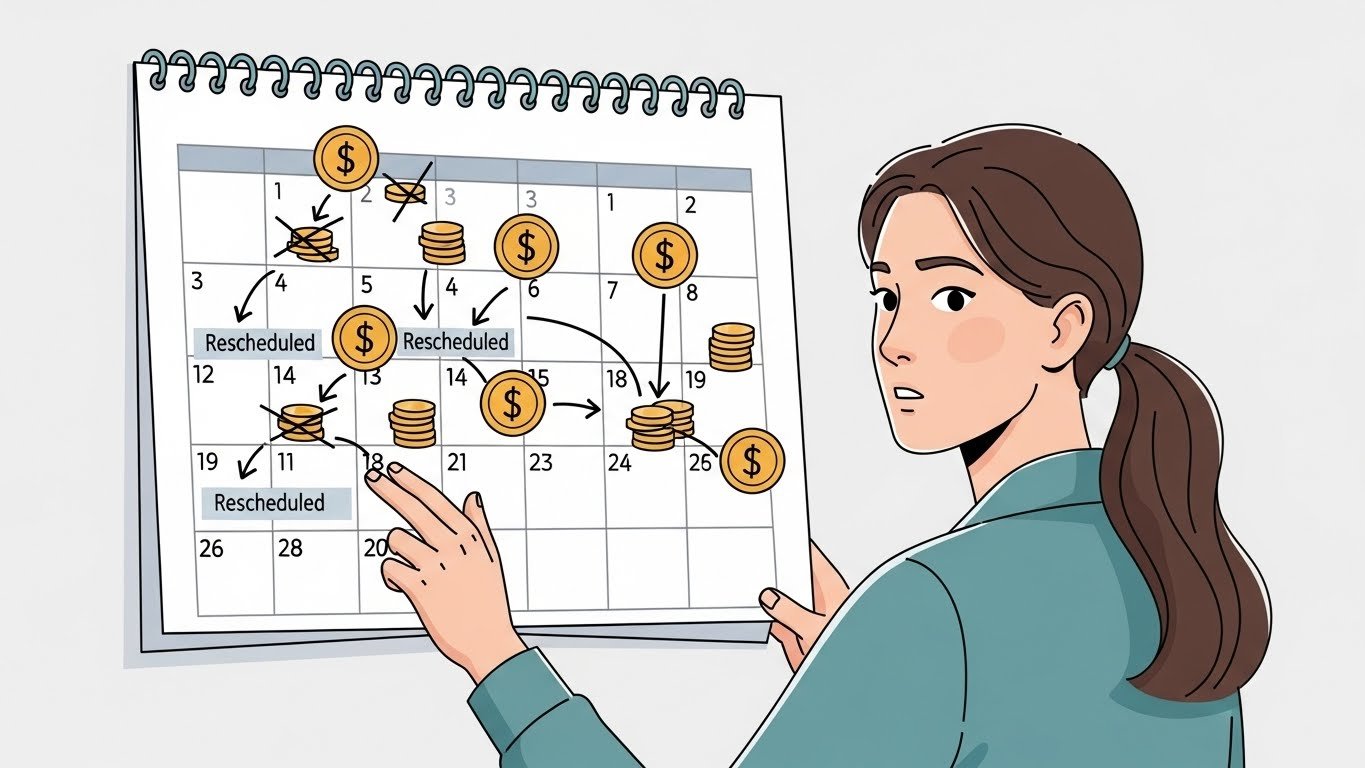
In 2026, a growing number of Americans are postponing non-urgent medical appointments. Routine checkups, follow-up visits, and elective procedures are increasingly being delayed as households weigh healthcare costs against other financial priorities.
This matters now because delaying preventive care can reduce short-term expenses while increasing long-term health and financial risks.
Why Non-Urgent Care Is Being Postponed
Several pressures are driving the decision:
- Higher deductibles and out-of-pocket costs
- Uncertainty around final billing amounts
- Rising insurance premiums
- Competing household expenses
For many families, timing care feels negotiable.
Which Types of Care Are Most Affected
Delays are most common for:
- Preventive screenings
- Specialist follow-ups
- Physical therapy sessions
- Elective procedures
Urgent and emergency care remains prioritized.
How Cost Uncertainty Influences Decisions
Patients often don’t know the full cost of care upfront. When prices are unclear, households may delay appointments to avoid surprise bills.
Uncertainty discourages proactive care.
Who Is Most Likely to Delay Care
The trend is strongest among:
- Households with high-deductible plans
- Middle-income families
- Individuals managing chronic expenses
- Patients with recent medical bills
Budget sensitivity drives caution.
Potential Long-Term Effects
Delaying care can:
- Allow conditions to worsen
- Increase future treatment costs
- Reduce treatment effectiveness
- Create more complex medical needs later
Short-term savings can become long-term costs.
How Providers Are Responding
Healthcare providers are:
- Expanding telehealth options
- Offering flexible scheduling
- Improving cost transparency tools
These efforts aim to keep patients engaged.
Why This Matters for the Healthcare System
Widespread delays affect care outcomes and system efficiency. Preventive care gaps can strain resources later.
What Patients Are Monitoring More Closely
Patients are paying closer attention to:
- Insurance coverage details
- Cost estimates before appointments
- Explanation-of-benefits statements
Information helps reduce hesitation.
What to Watch Going Forward
Key indicators include:
- Preventive care utilization rates
- Telehealth adoption
- Trends in delayed diagnoses
These reveal how behavior shifts evolve.
Key Takeaway
In 2026, Americans delaying non-urgent medical care reflects financial caution, not neglect. Understanding the trade-offs helps households balance short-term budgets with long-term health outcomes.