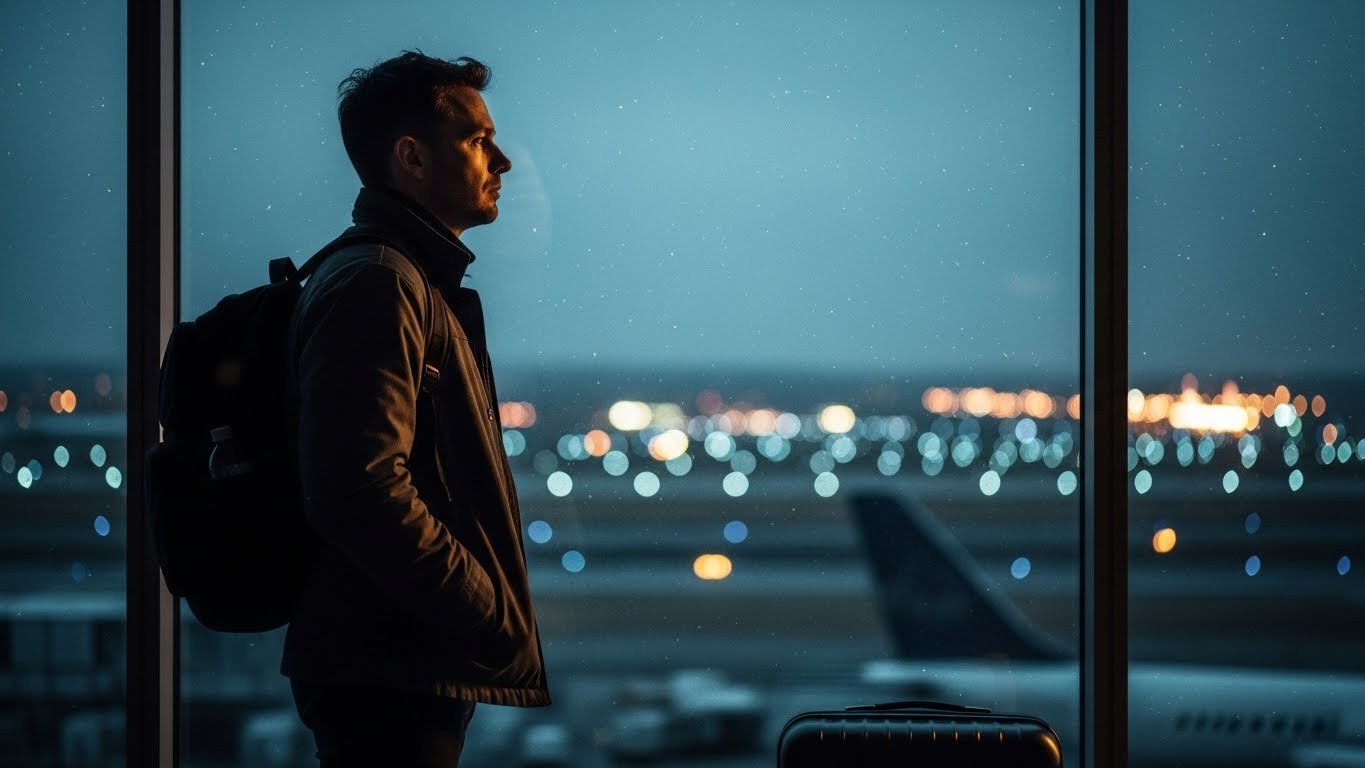
In 2026, many Americans are choosing to delay or downsize travel plans. Trips that once felt routine are being reconsidered as costs rise across transportation, lodging, and related expenses.
This matters now because travel is one of the first discretionary categories to reflect shifts in household confidence. When families pause trips, it signals broader budget recalibration.
Why Travel Costs Feel Higher
Several cost pressures are converging:
- Higher airfare driven by fuel and capacity constraints
- Increased hotel and short-term rental rates
- Rising travel insurance premiums
- Added fees for baggage, seating, and flexibility
The total trip cost adds up faster than expected.
How Budget Uncertainty Changes Planning
With tighter monthly budgets, households:
- Delay booking to wait for better prices
- Shorten trip duration
- Choose closer destinations
- Reduce add-ons and experiences
Flexibility replaces spontaneity.
Who Is Most Likely to Postpone Trips
Delays are most common among:
- Middle-income families
- Households managing higher fixed expenses
- Travelers relying on credit to finance trips
- Consumers prioritizing savings buffers
Discretionary spending becomes selective.
Why Domestic Travel Isn’t Immune
Even domestic trips face:
- Higher accommodation costs
- Transportation and rental car increases
- Seasonal price spikes
Staying closer doesn’t always mean saving more.
How the Travel Industry Is Responding
Providers are:
- Offering targeted promotions
- Emphasizing flexible booking options
- Expanding off-peak incentives
Demand hasn’t vanished — it’s become cautious.
What This Signals About Consumer Confidence
Postponing travel reflects:
- Desire to preserve liquidity
- Sensitivity to price volatility
- Cautious optimism rather than fear
Households are prioritizing resilience.
Why This Matters for the Economy
Travel spending supports airlines, hospitality, and local economies. When trips are delayed, revenue timing shifts and seasonal patterns change.
What to Watch Going Forward
Key indicators include:
- Airfare and lodging price trends
- Booking lead times
- Travel credit card usage
These reveal when confidence may rebound.
Key Takeaway
In 2026, Americans postponing travel reflects higher costs and tighter budgets, not reduced interest in experiences. Understanding the full cost of trips explains why many households are choosing to wait.