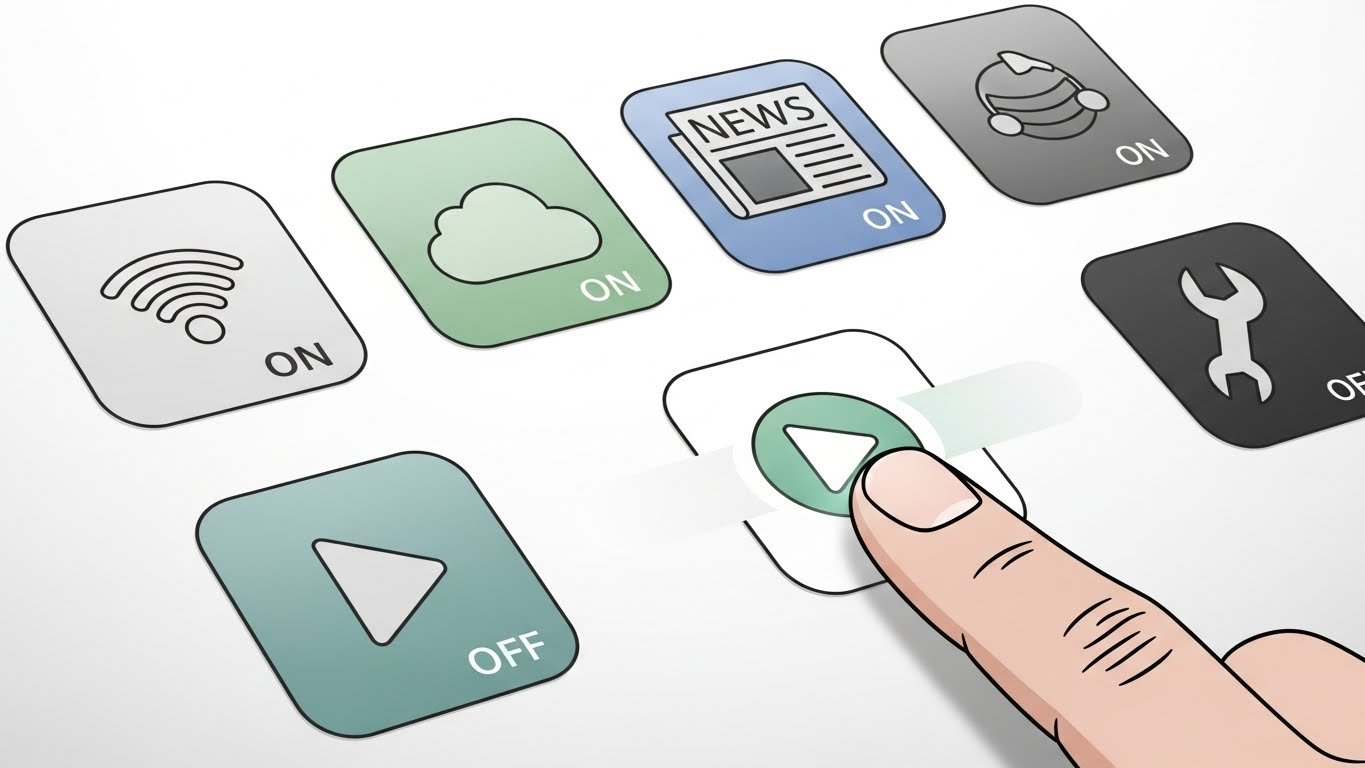
In 2026, subscription fatigue is becoming more visible across the United States. Streaming services, digital platforms, and recurring memberships are being canceled at higher rates as households reassess monthly expenses.
This matters now because subscriptions are designed to feel small individually. When costs rise quietly across multiple services, they can materially affect household budgets without immediate awareness.
Why Subscription Costs Are Rising
Several forces are pushing prices higher:
- Reduced promotional pricing
- Tiered plans with fewer features
- Bundled services replacing standalone options
- Higher content and licensing costs
Many increases arrive with little notice.
How Subscriptions Accumulate Over Time
Individually modest fees can:
- Add up to significant monthly totals
- Be overlooked due to auto-renewal
- Persist long after usage declines
Visibility is often low until budgets tighten.
Which Subscriptions Are Being Cut First
Cancellations are most common for:
- Secondary streaming platforms
- Niche content services
- Fitness and lifestyle apps
- Digital media subscriptions
Essentials tend to stay; extras go.
Who Is Most Likely to Cancel
The pullback is strongest among:
- Middle-income households
- Consumers managing rising fixed costs
- Users subscribed to multiple overlapping services
- Families prioritizing essentials
Price sensitivity has increased.
How Companies Are Responding
Subscription providers are:
- Testing lower-priced tiers
- Introducing ad-supported options
- Offering short-term promotions
- Bundling services to reduce churn
Retention is becoming harder.
Why This Matters for Consumer Spending
Subscription cancellations free up cash but also signal tighter discretionary spending. When households trim recurring costs, it often precedes broader spending restraint.
What This Signals About Confidence
The trend reflects cautious optimization rather than panic. Consumers are evaluating value more critically and avoiding passive spending.
What to Watch Going Forward
Key indicators include:
- Subscription churn rates
- Growth of ad-supported tiers
- Household discretionary spending data
These metrics show how deeply behavior is shifting.
Key Takeaway
In 2026, Americans are canceling subscriptions faster as prices rise and budgets tighten. The shift highlights growing discipline around recurring expenses and changing expectations about value.