
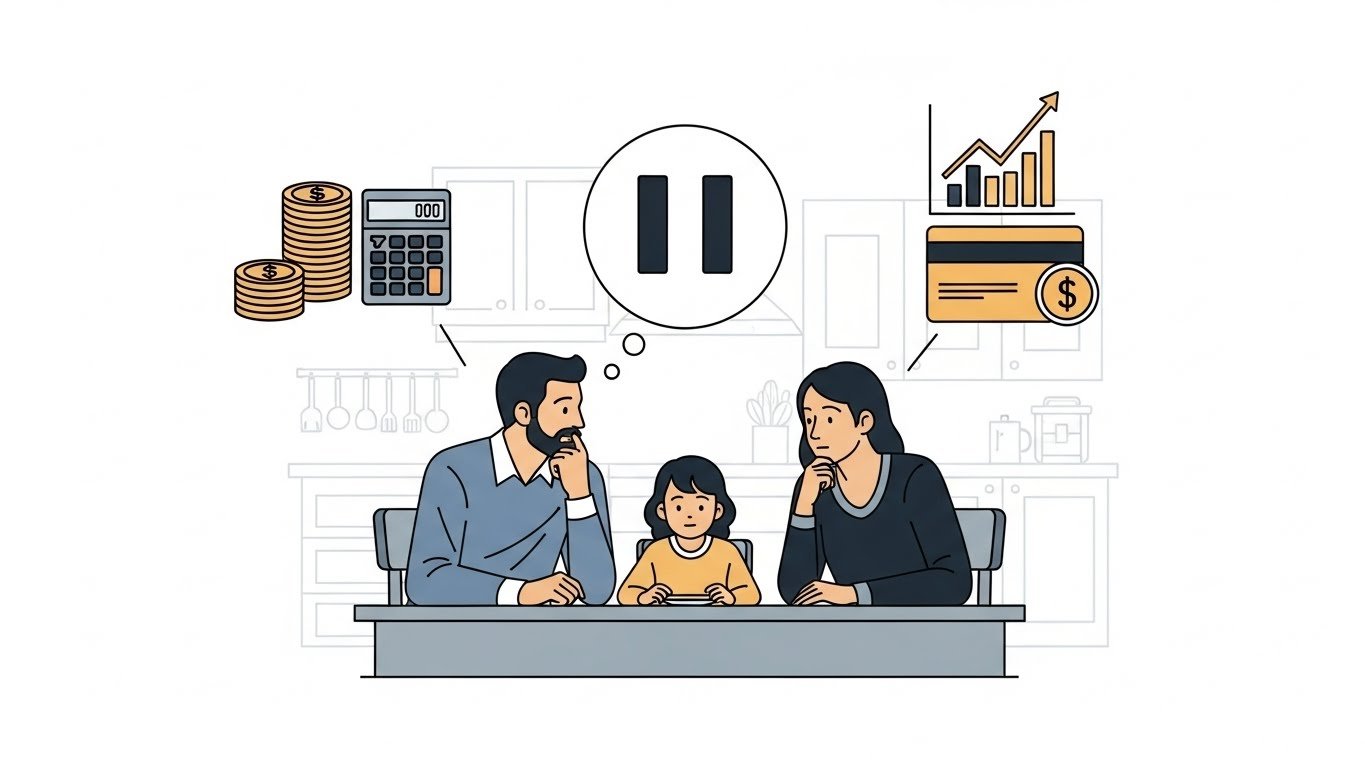
In 2026, many American households are choosing to wait before making major purchases. Cars, home upgrades, appliances, and even electronics are increasingly being postponed, despite steady employment and stable income for many workers.
This matters now because large purchases are a key indicator of consumer confidence. When households hesitate, it reflects deeper concerns about affordability, future costs, and financial resilience.
Why Big Purchases Are Being Delayed
Several factors are driving caution:
- Higher interest rates on financing
- Rising insurance and ownership costs
- Uncertainty around future expenses
- Tighter credit approval standards
Even when income is stable, perceived risk matters.
Which Purchases Are Most Affected
Delays are most common for:
- Vehicle replacements or upgrades
- Home renovations
- Major appliances
- High-end electronics
These purchases often involve financing or long-term commitments.
How Interest Rates Change Decision-Making
Higher borrowing costs increase total purchase prices significantly. Monthly payments rise, and consumers become more sensitive to timing and terms.
For many households, waiting feels safer than committing.
Who Is Most Likely to Postpone Spending
The trend is strongest among:
- Middle-income families
- Households managing existing debt
- Consumers without large cash buffers
- Buyers relying on financing
Affordability thresholds are being tested.
What This Behavior Signals About Confidence
Delaying large purchases suggests:
- Cautious optimism rather than fear
- Desire to preserve liquidity
- Sensitivity to future economic shifts
Consumers are prioritizing flexibility.
How Businesses Are Responding
Companies are adjusting by:
- Offering targeted promotions
- Extending financing terms
- Managing inventory more conservatively
Demand hasn’t disappeared — it’s become selective.
Why This Matters for the Economy
Big-ticket spending drives manufacturing, retail, and service activity. When purchases slow, growth becomes uneven across sectors.
This influences employment and investment decisions.
What to Watch Going Forward
Key indicators include:
- Auto and durable goods sales
- Consumer confidence surveys
- Credit approval trends
- Promotional intensity
These signals reveal whether delays turn into cancellations.
Key Takeaway
In 2026, Americans delaying major purchases reflects cautious confidence, not collapse. Understanding this behavior helps explain shifting demand patterns across the U.S. economy.