
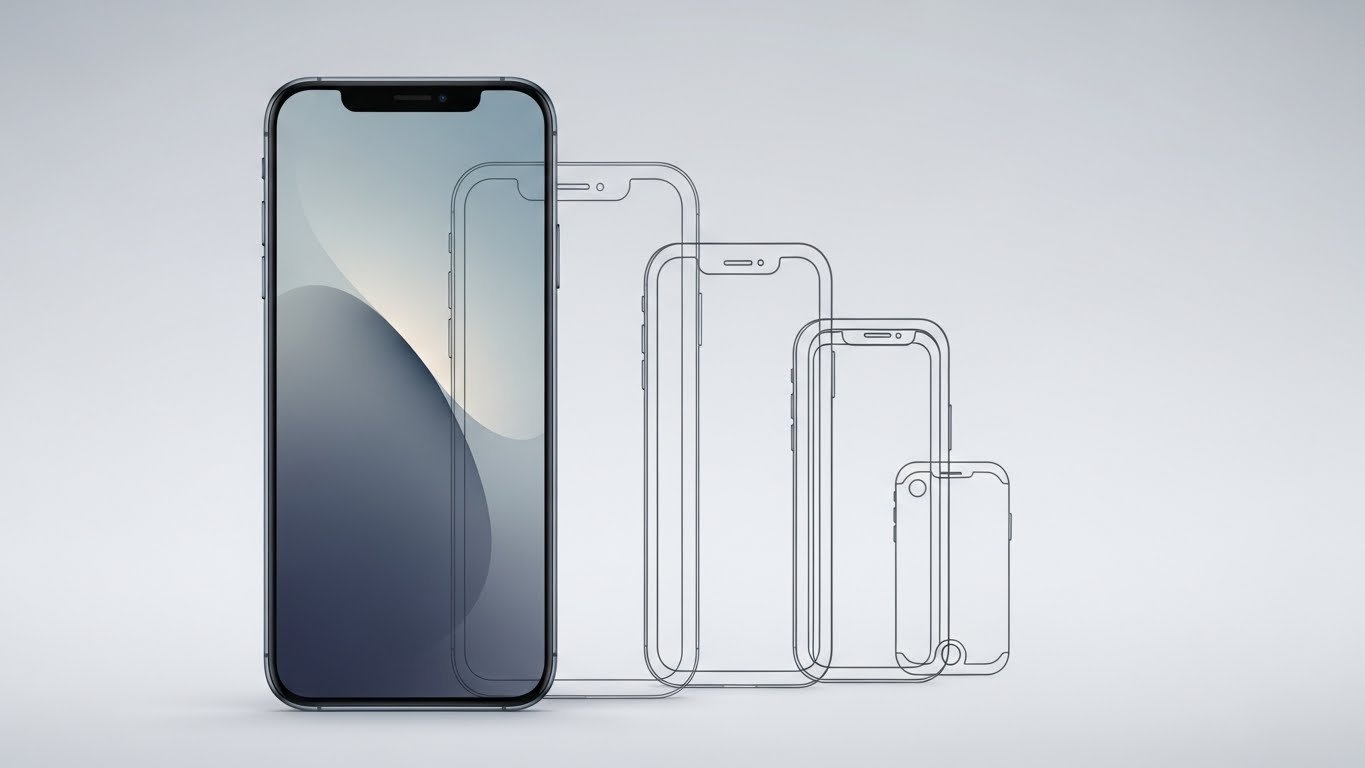
In 2026, smartphone upgrade cycles in the United States are getting longer. Devices that were once replaced every two years are now being kept for three, four, or even five years by many consumers.
This matters now because smartphones sit at the intersection of technology, consumer spending, and household budgeting. When Americans delay upgrades, it signals broader shifts in affordability, financing, and perceived value.
Why Fewer People Are Upgrading Early
Several factors are influencing longer ownership:
- Higher upfront prices for new models
- Reduced carrier subsidies
- Financing plans with higher interest costs
- Smaller performance jumps between generations
For many users, new phones feel optional rather than necessary.
How Prices Changed the Upgrade Math
Flagship smartphones now regularly exceed four-digit price points. Even with installment plans, higher interest rates increase the total cost of ownership.
For budget-conscious households, keeping an existing device becomes the rational choice.
Why New Features Feel Less Compelling
Recent upgrades tend to focus on:
- Incremental camera improvements
- Software-based features
- Marginal battery efficiency gains
For everyday users, these changes don’t justify replacing a functioning device.
Carrier Financing Plays a Bigger Role
In 2026, carriers are:
- Offering longer financing terms
- Reducing aggressive trade-in credits
- Tightening upgrade eligibility
This shifts more cost directly to consumers, slowing replacement cycles.
Who Is Most Likely to Delay Upgrades
Longer usage is most common among:
- Middle-income households
- Consumers managing higher fixed expenses
- Users satisfied with current performance
- Buyers without strong promotional incentives
Economic context shapes tech decisions.
How This Affects the Tech Industry
Longer cycles mean:
- Slower unit sales growth
- Greater emphasis on services and accessories
- Increased focus on emerging markets
Manufacturers adapt when replacement demand softens.
Why Repairs Are Becoming More Popular
Consumers are increasingly:
- Replacing batteries instead of devices
- Repairing screens and ports
- Using refurbished or certified-used phones
Repairability extends device life at lower cost.
What This Signals About Consumer Behavior
Delaying upgrades reflects:
- Greater price sensitivity
- Desire to preserve cash flow
- More selective tech spending
Technology is being treated like a durable good, not a fashion item.
What to Watch Going Forward
Key indicators include:
- Average device lifespan
- Carrier upgrade rates
- Trade-in values
- Service revenue growth
These metrics reveal how habits evolve.
Key Takeaway
In 2026, Americans are keeping smartphones longer because costs are higher and perceived gains are smaller. The shift reflects more disciplined consumer behavior — not declining interest in technology.