What Are Financial Conditions — And Why They Matter in 2025

Key Takeaways Financial conditions describe the overall ease with which money flows through the economy. Rather than focusing on a single interest rate, they capture a broader mix of borrowing costs, asset prices, credit availability, and market sentiment. The concept matters now because policy decisions are no longer the only force shaping economic momentum. Even … Read more

Are Financial Markets Getting More Unstable? Here’s What the Data Shows

Key Takeaways The question has become more common as markets react sharply to economic data, earnings reports, and policy signals. Daily swings feel larger, and reactions appear faster than they were a year ago. This concern exists because recent movements have not been tied to a single shock. Instead, volatility has emerged around routine data … Read more

Are Credit Card Rewards Still Worth It? Here’s What’s Changed

Key Takeaways The question exists because rewards programs expanded rapidly over the past decade, shaping spending habits. Recent changes include higher interest rates and quieter adjustments to points and cashback structures. Data suggests rewards still benefit consumers who pay balances in full, while costs rise quickly for those who do not. What remains uncertain is … Read more

What Is Fiscal Drag — And Why It Matters in 2025

Key Takeaways Fiscal drag refers to the gradual increase in tax burdens that occurs when incomes rise due to inflation but tax brackets do not fully adjust. In practice, workers may pay more in taxes even though their real purchasing power has not improved. This matters now because wage growth combined with lingering inflation is … Read more

Why Auto Loan Volumes Are Holding Up Despite Higher Rates

Article: Key Takeaways Recent auto loan data shows borrowing volumes holding up better than many expected, even as interest rates remain elevated. What just happened is continued loan origination driven by replacement demand. Vehicles remain a necessity for many households, limiting flexibility. Why this matters now is structure. To manage higher rates, borrowers are extending … Read more

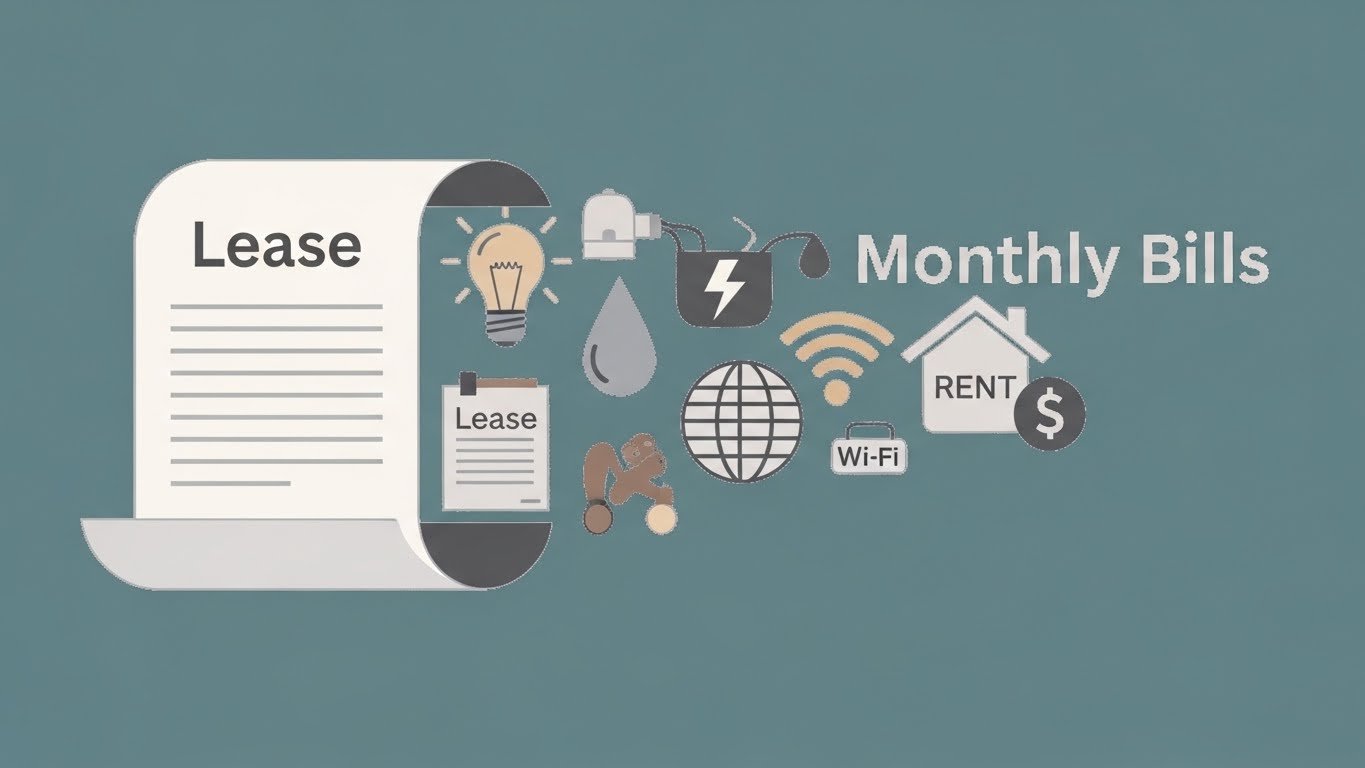
Think of Household Debt Like a Lease — Here’s Why It Can Feel Heavier Over Time

Article: Key Takeaways Think of household debt like a lease agreement. The payment stays the same, but your ability to afford it depends on what else changes around it. This analogy helps explain why many households feel more strained even without taking on new debt. When wages grow slowly and prices stay elevated, fixed payments … Read more

Is the Housing Market Stuck? Here’s What Current Data Suggests

Key Takeaways The question exists because home sales have slowed sharply while prices have proven more resilient. Current data shows fewer listings and lower turnover, driven largely by rate lock-in. Many homeowners are reluctant to move and give up lower mortgages. What remains uncertain is how long this standoff lasts. A shift in rates or … Read more

Think of the Federal Budget Like a Household Plan — Here’s Where the Comparison Breaks Down

Key Takeaways Think of a household budget. It helps decide what gets paid first, what can wait, and what must be cut back. The federal budget works similarly in setting priorities, but the comparison has limits. Unlike households, the government can borrow at scale and roll over obligations. A common misunderstanding is assuming those differences … Read more