Utility Bills Are Rising Faster in 2026 — What’s Driving the Increases for U.S. Households
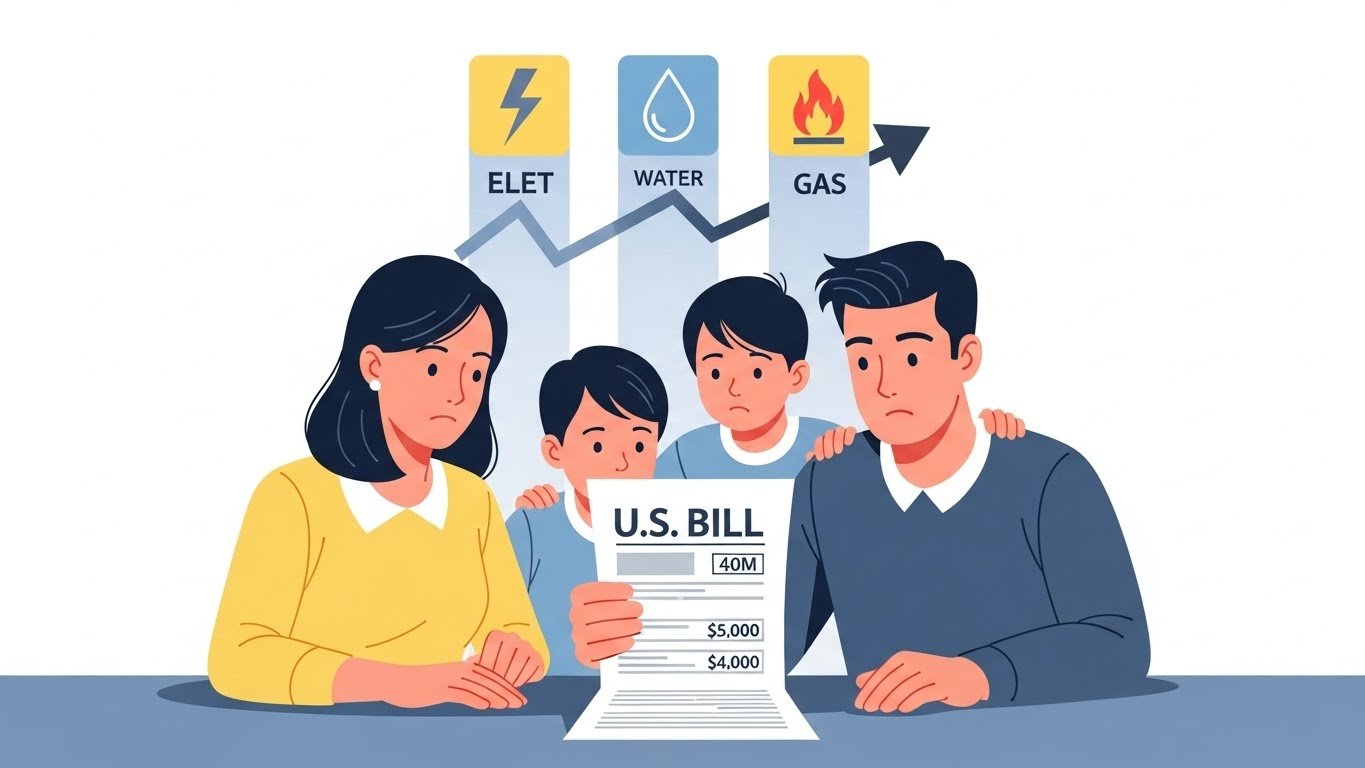
Utility bills are becoming a growing pressure point for American households in 2026. Electricity, natural gas, water, and waste services are all trending higher in many regions, often without dramatic headlines or clear explanations. This matters now because utilities are non-negotiable expenses. When they rise, families must adjust elsewhere — often turning to credit or … Read more
Why Credit Card Interest Rates Are Still High in 2026 — and Who Pays the Most

Credit card interest rates remain stubbornly high in 2026, frustrating many American consumers who expected relief as broader rate pressures eased. Even without dramatic headline changes, the cost of carrying balances continues to strain household budgets. This matters now because more U.S. households are relying on revolving credit for everyday expenses, making interest costs a … Read more

Joint Bank Accounts Are Creating New Problems in 2026 — Here’s Why Some Couples Are Reconsidering Them

Joint bank accounts have long been seen as a symbol of financial unity. In 2026, however, more American households are rethinking how shared accounts actually work in practice. This matters now because higher costs, automated bank monitoring, and faster account reviews are turning small disagreements into financial stress — sometimes with real consequences. How Joint … Read more

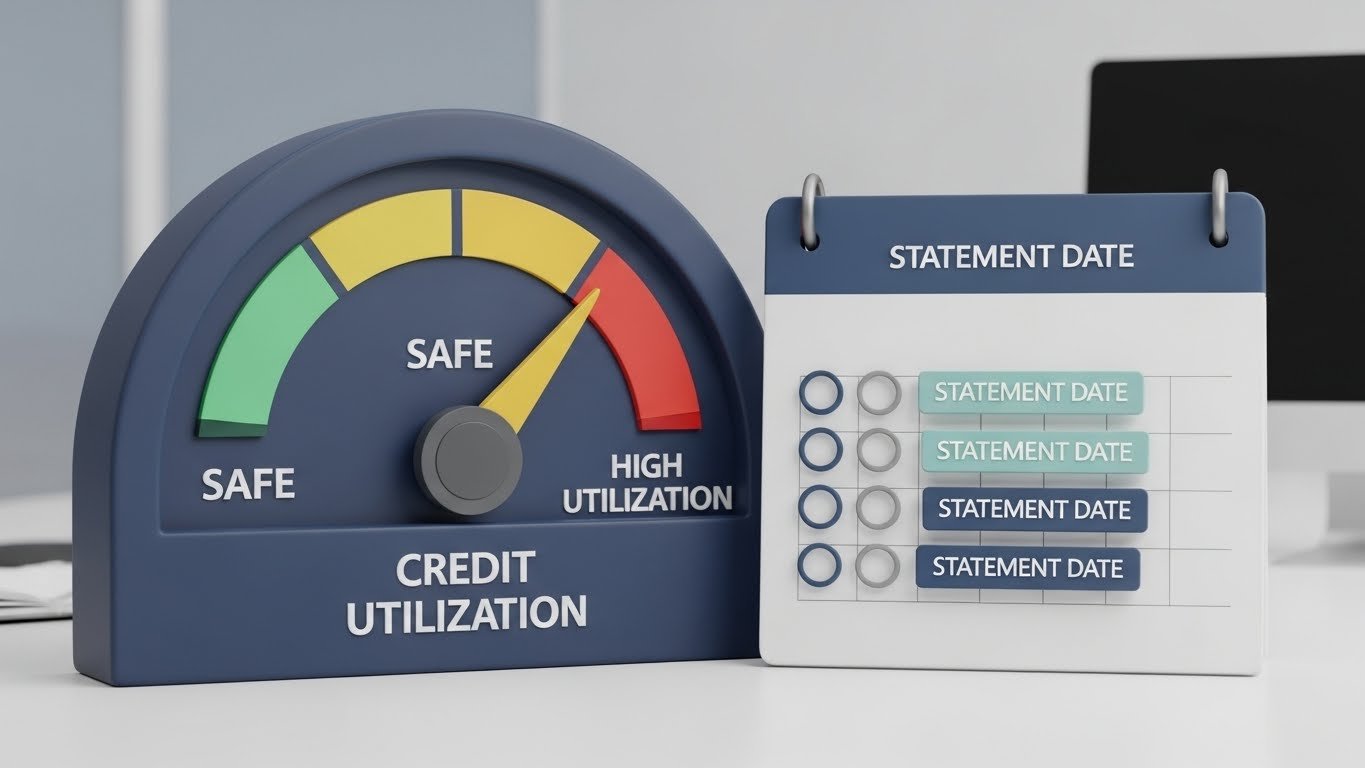
What Happens When Your Credit Card Utilization Gets Too High in 2026

In 2026, credit card utilization has become one of the fastest-moving factors affecting credit scores. Many Americans are paying on time and still watching their scores fall — often without understanding why. This matters now because higher living costs and interest rates are pushing balances up, while credit models are reacting more aggressively to usage … Read more

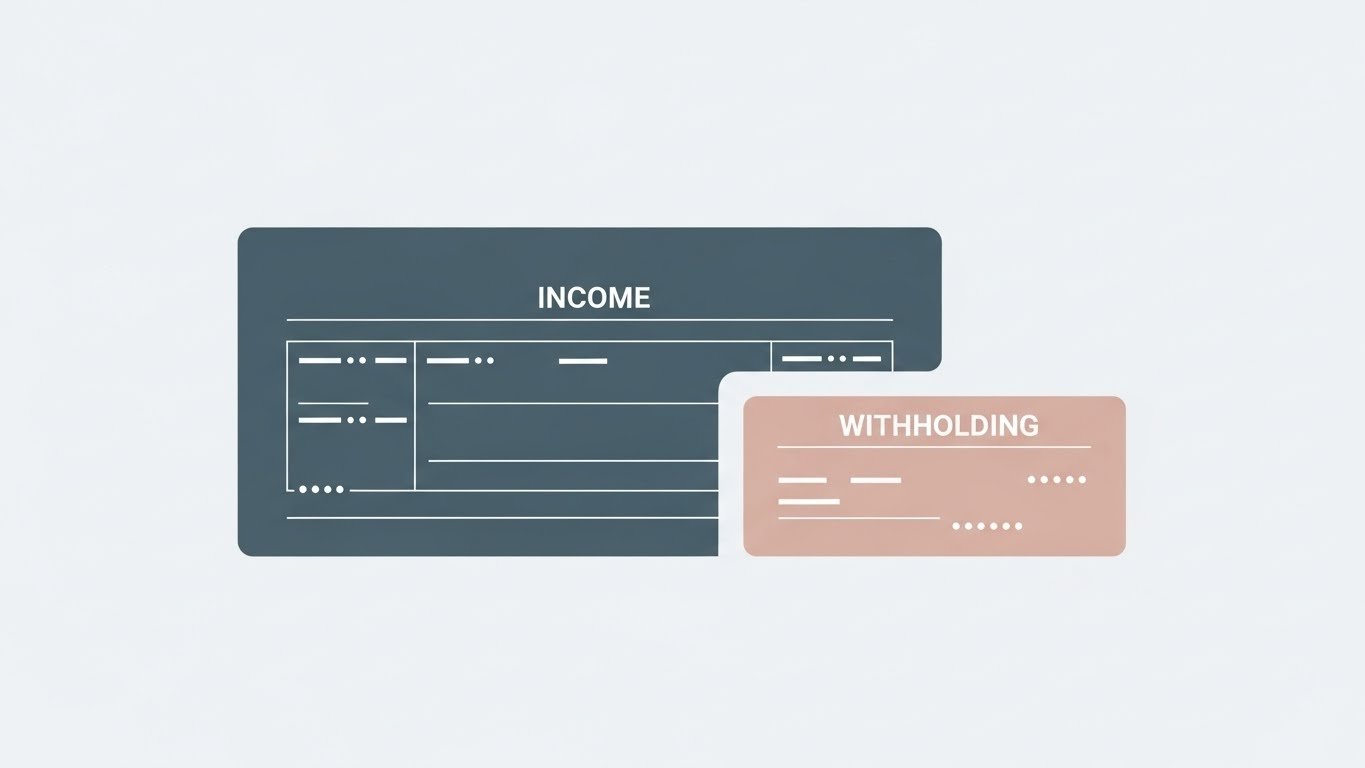
What Happens When Your Tax Withholding Falls Behind in 2026

In 2026, many American workers are discovering that their tax withholding no longer matches their income reality. Raises, bonuses, side income, and job changes are leaving gaps that only become visible at filing time — often as unexpected balances owed. This matters now because automated IRS matching systems are catching discrepancies faster, and under-withholding can … Read more

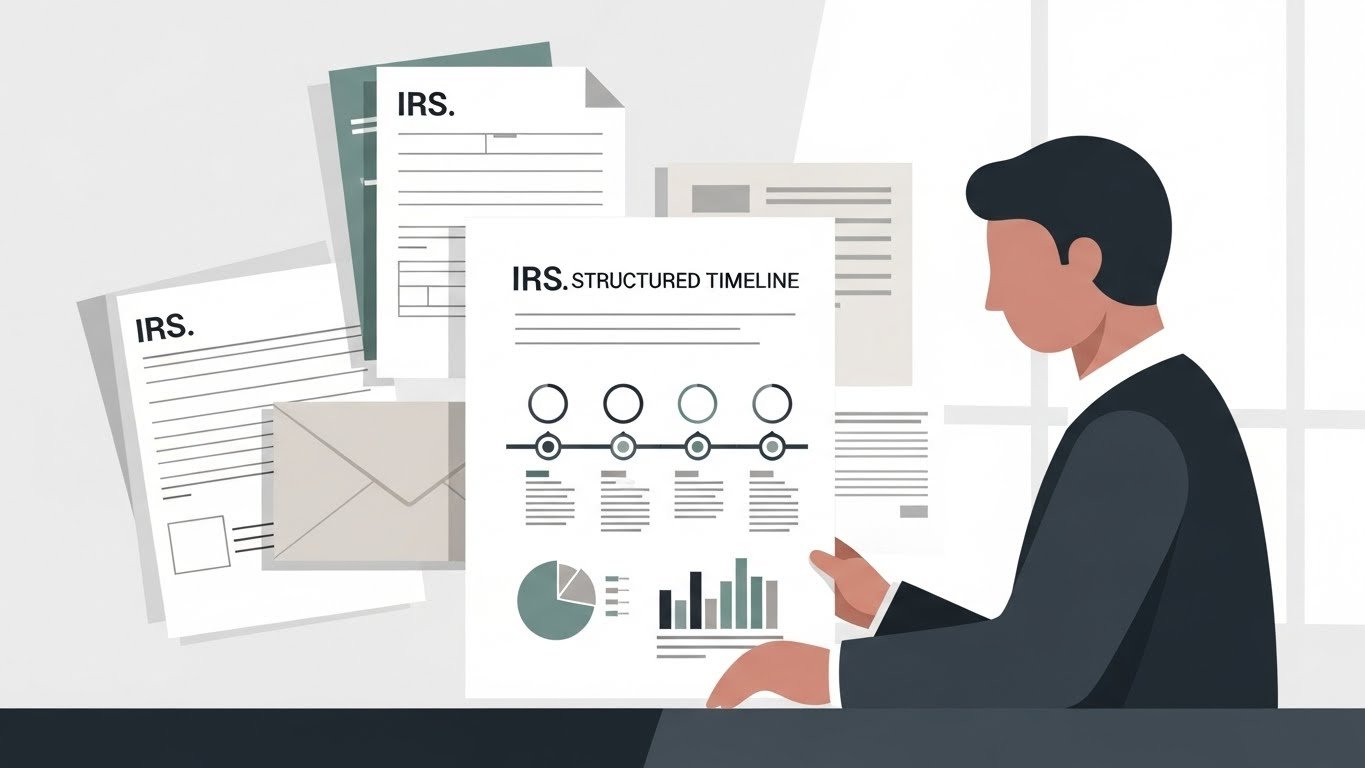
Who Qualifies for IRS Payment Plans in 2026 — and How Much They Actually Cost

Millions of Americans who owe federal taxes in 2026 may qualify for an IRS payment plan. These agreements allow taxpayers to spread payments over time instead of paying the full balance at once. This matters now because tighter cash flow, variable income, and smaller refunds are pushing more U.S. households into balances due. Understanding eligibility … Read more

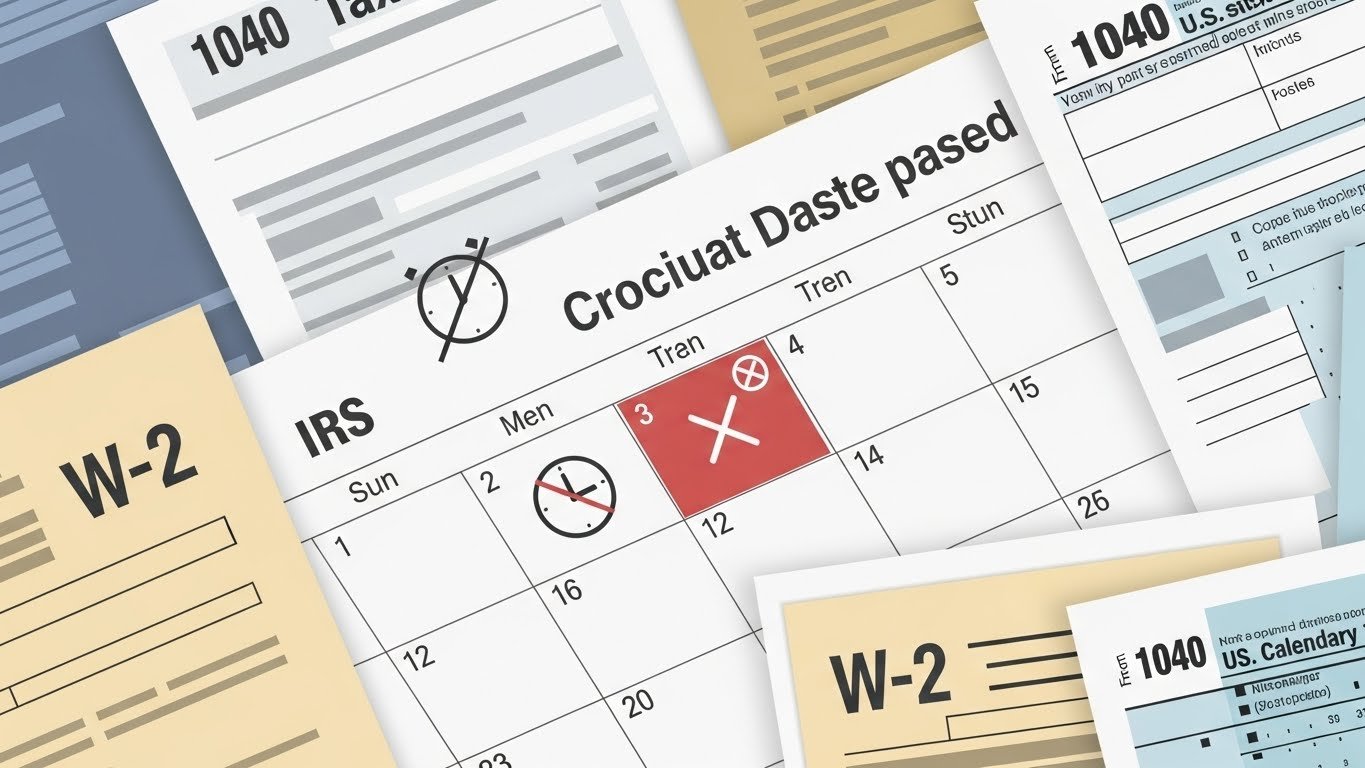
What Happens If You Miss a Federal Tax Payment in 2026

Missing a federal tax payment in 2026 can trigger immediate financial consequences for millions of Americans. Even taxpayers who file correctly may face penalties, interest charges, and enforcement actions if payments arrive late. This matters now because tighter IRS systems are accelerating how quickly penalties apply. U.S. households with variable income, side work, or unexpected … Read more

In 2026, Media Companies Grow Faster With Discipline — Not Viral Luck

The fastest-growing digital media brands in 2026 aren’t relying on viral hits. They’re winning through disciplined execution: consistent publishing, predictable structure, and relentless focus on reader value. Growth looks boring on the inside — and powerful on the outside. Why Volume Still Wins in Digital Media Search engines and Discover systems reward: Volume isn’t about … Read more

Americans Are Cutting Discretionary Spending in 2026 — Here’s What That Signals About Confidence

In 2026, U.S. consumers are still spending — but not the way they used to. Discretionary spending is being trimmed quietly as households reassess priorities amid higher costs and uncertain economic signals. Travel upgrades, dining out, entertainment, and non-essential purchases are increasingly delayed or scaled back. This shift offers a clearer window into consumer confidence … Read more

Credit Is Getting More Expensive in 2026 — Even Without Big Rate Hikes

Many consumers expected credit costs to stabilize in 2026. Instead, borrowing is quietly getting more expensive. Even without headline rate increases, banks and lenders are raising the real cost of credit through fees, tighter terms, and internal pricing changes that rarely make the news. For households relying on credit, the difference shows up month after … Read more