Inactive Bank Accounts in 2026 Can Cost You Money — Here’s What Banks Are Doing
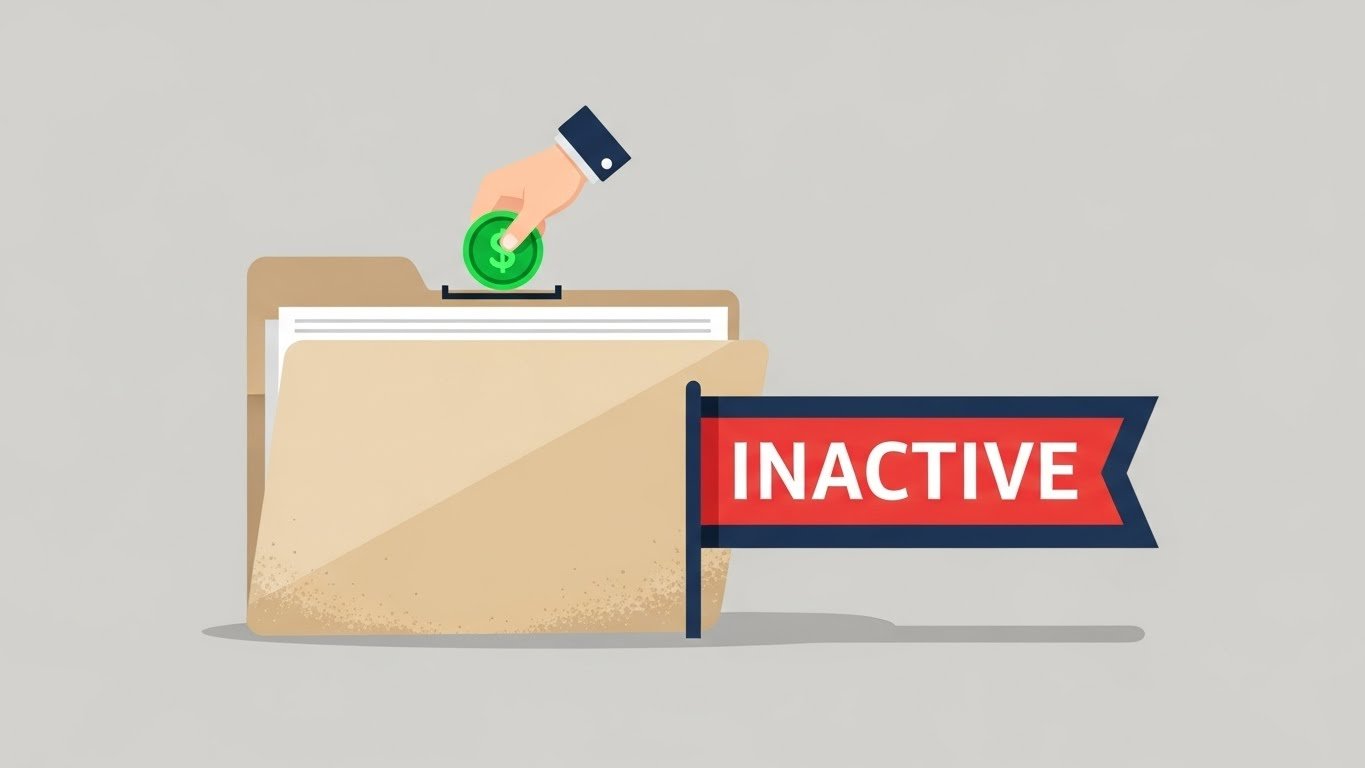
Many Americans assume that leaving a bank account untouched is harmless. In 2026, that assumption is proving costly. Banks are tightening policies around inactive accounts, introducing new fees, freezing funds, or closing accounts altogether after periods of inactivity. For consumers, inaction can now trigger real financial consequences. Why Banks Are Cracking Down on Inactive Accounts … Read more

Salary Negotiations Are Back in 2026 — Here’s Why Timing Matters More Than Ever

After years of uneven wage growth, more U.S. workers are renegotiating pay and benefits in 2026. Inflation pressure, shifting labor demand, and tighter hiring have changed how employers respond — making timing and preparation more important than confidence alone. For many employees, negotiation outcomes now shape long-term income more than annual raises. Why Negotiations Are … Read more

Auto Loan Rules in 2026 Are Quietly Raising Borrowing Costs — Here’s What Buyers Miss

Buying a car in 2026 has become more expensive in ways that aren’t always obvious. Beyond vehicle prices, lenders are tightening auto loan terms, adjusting approval standards, and extending loan lengths — increasing the total cost of ownership for many buyers. For consumers, the financing structure now matters as much as the sticker price. What’s … Read more

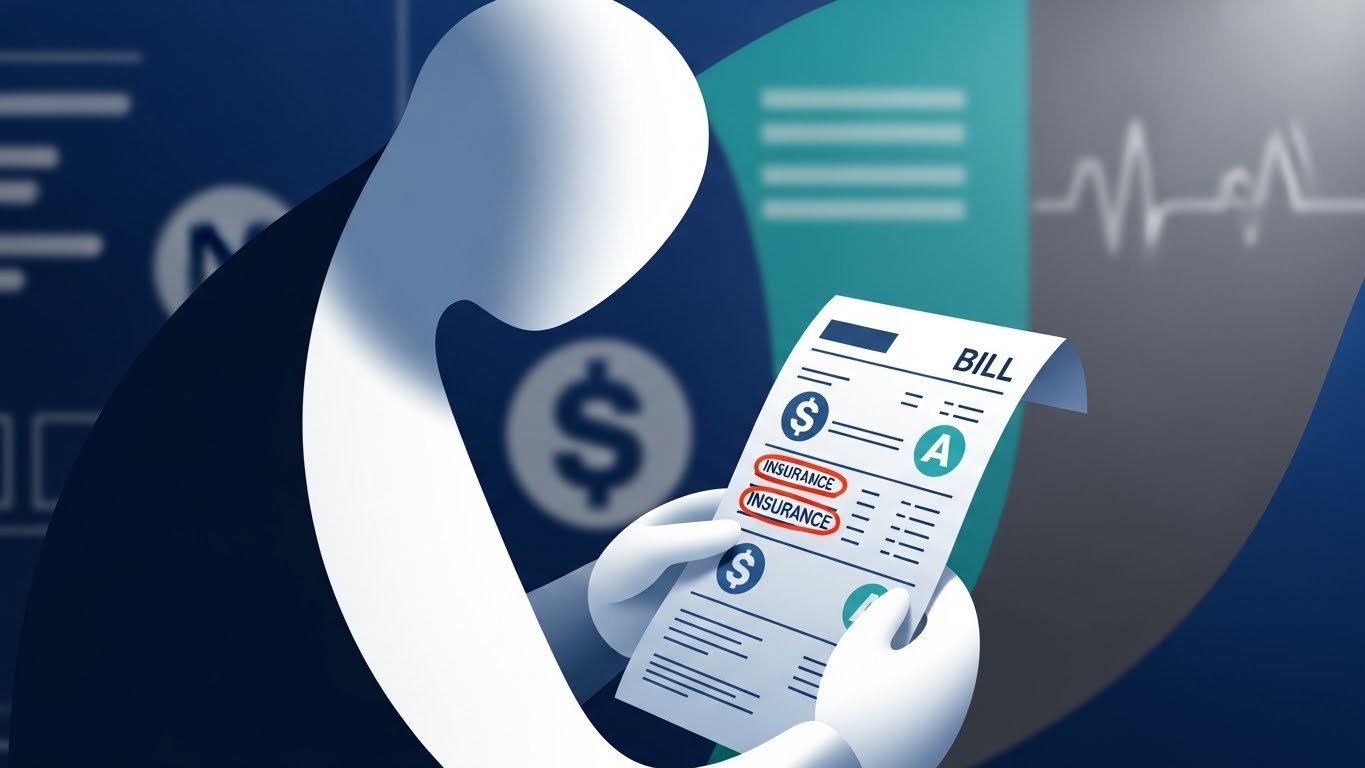
Unexpected Medical Bills in 2026 Are Still a Major Financial Shock — Here’s How to Avoid Overpaying

Medical bills remain one of the most common sources of financial stress in 2026. Even insured Americans are receiving unexpected charges weeks or months after care, often due to billing errors, coverage misunderstandings, or out-of-network services. For many households, the problem isn’t the care itself — it’s the lack of clarity around costs. Why Surprise … Read more

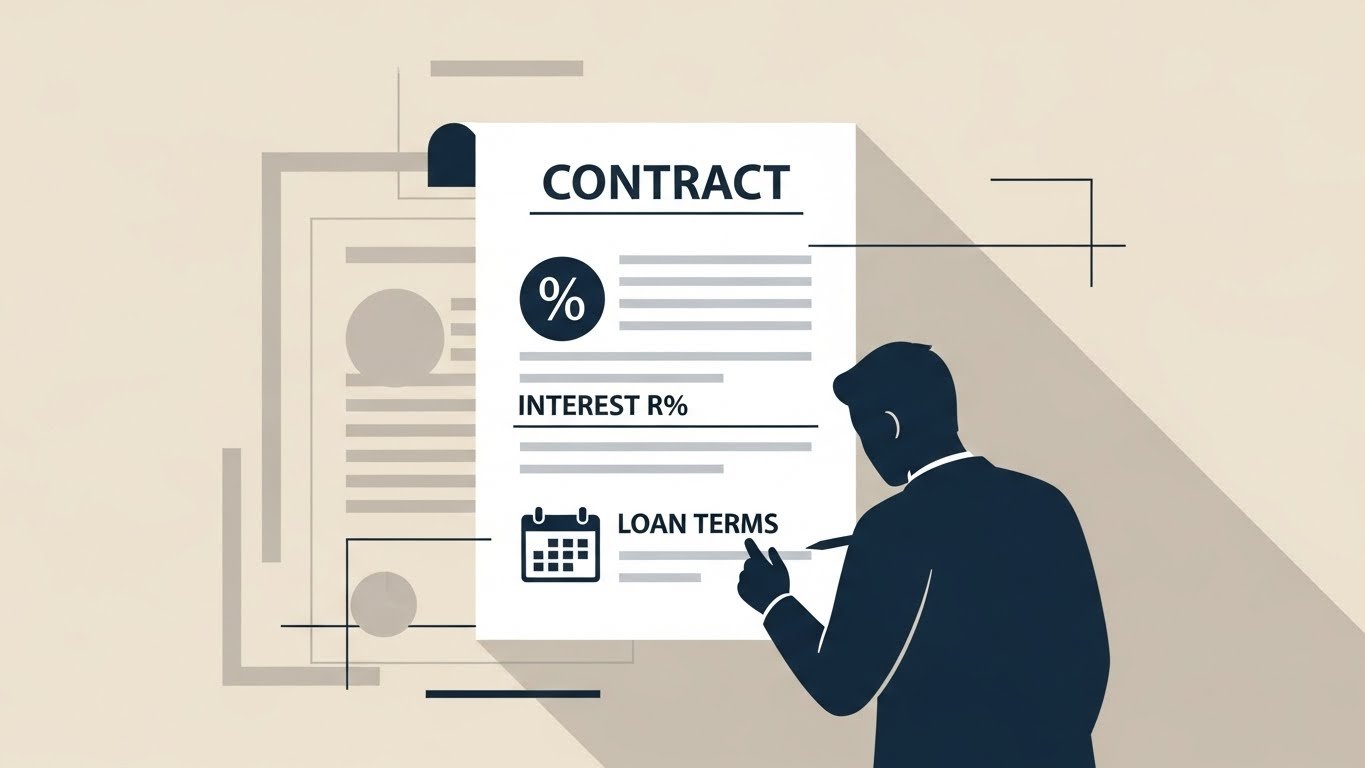
Variable Interest Rates in 2026 Are Becoming Riskier — Here’s Who Should Act Now

Variable interest rates are back in focus in 2026. As rate expectations shift and volatility persists, borrowers tied to variable-rate products are seeing payments change faster — and sometimes more sharply — than anticipated. For households, understanding exposure is critical before costs compound. Why Variable Rates Are More Unpredictable Several forces are increasing volatility: What … Read more

Retirement Outcomes in 2026 Vary Widely — Small Decisions Are Making a Big Difference

Retirement accounts are performing very differently in 2026, even among savers with similar incomes. While some balances continue to grow steadily, others are stagnating or falling behind. The difference often comes down to small, overlooked decisions rather than dramatic market moves. Understanding these gaps can help savers course-correct before it’s too late. Why Retirement Results … Read more

Millions May Lose Government Benefits in 2026 — Here’s Why Eligibility Is Changing

Government benefit programs in the U.S. are undergoing quiet but meaningful adjustments in 2026. While benefits are not disappearing, eligibility rules, income thresholds, and verification processes are tightening — causing some recipients to lose access or receive reduced payments. For households that rely on these programs, understanding the changes is critical. Why Eligibility Rules Are … Read more

Why Americans Are Delaying Big Purchases in 2026 — and What That Signals About the Economy

Large purchases are being postponed across the U.S. in 2026. From cars and home renovations to major appliances and travel upgrades, consumers are waiting longer before committing. The shift isn’t driven by panic — it’s driven by calculation. Higher borrowing costs and economic uncertainty are reshaping how households assess risk. What’s Driving the Delay in … Read more

Market Volatility in 2026 Is Testing Investors — Here’s How to Avoid Costly Mistakes

Market volatility remains elevated in 2026, and for many everyday investors, frequent swings are creating uncertainty. Sharp moves up and down dominate headlines, tempting investors to react emotionally rather than strategically. While volatility is not new, the speed and frequency of market changes are testing discipline more than ever. Why Markets Feel More Unstable Several … Read more