Bank account terms are evolving more rapidly in 2026, and many customers only notice after something goes wrong. From revised minimum balance requirements to changes in overdraft policies and account features, banks are adjusting conditions quietly as operating costs and risk controls increase.
For consumers, staying passive can quickly become expensive.
Why Banks Are Updating Terms More Frequently
Several pressures are driving frequent changes:
- Higher compliance and fraud-prevention costs
- Volatile interest rate environments
- Lower tolerance for unprofitable accounts
- Greater reliance on automated risk models
Instead of broad announcements, many banks implement rolling updates across customer segments.
Common Account Changes Affecting Customers
The most frequent adjustments include:
- Higher minimum balance requirements
- New or increased monthly maintenance fees
- Tighter overdraft limits
- Reduced fee waivers
- Changes to interest earned on savings
Individually, these changes seem minor — but combined, they increase banking costs.
Who Is Most Affected by Silent Updates
Customers more likely to feel the impact include:
- Low- to moderate-balance account holders
- Those without regular direct deposits
- Individuals using overdraft features frequently
- Customers with multiple inactive accounts
Banks increasingly favor customers who generate consistent revenue.
How These Changes Can Affect Credit and Cash Flow
Unexpected fees can:
- Disrupt automatic payments
- Trigger overdrafts
- Increase reliance on credit cards
- Create short-term cash shortages
In some cases, repeated issues can affect account standing or lead to closures.
Steps Customers Should Take Now
To reduce risk, consumers should:
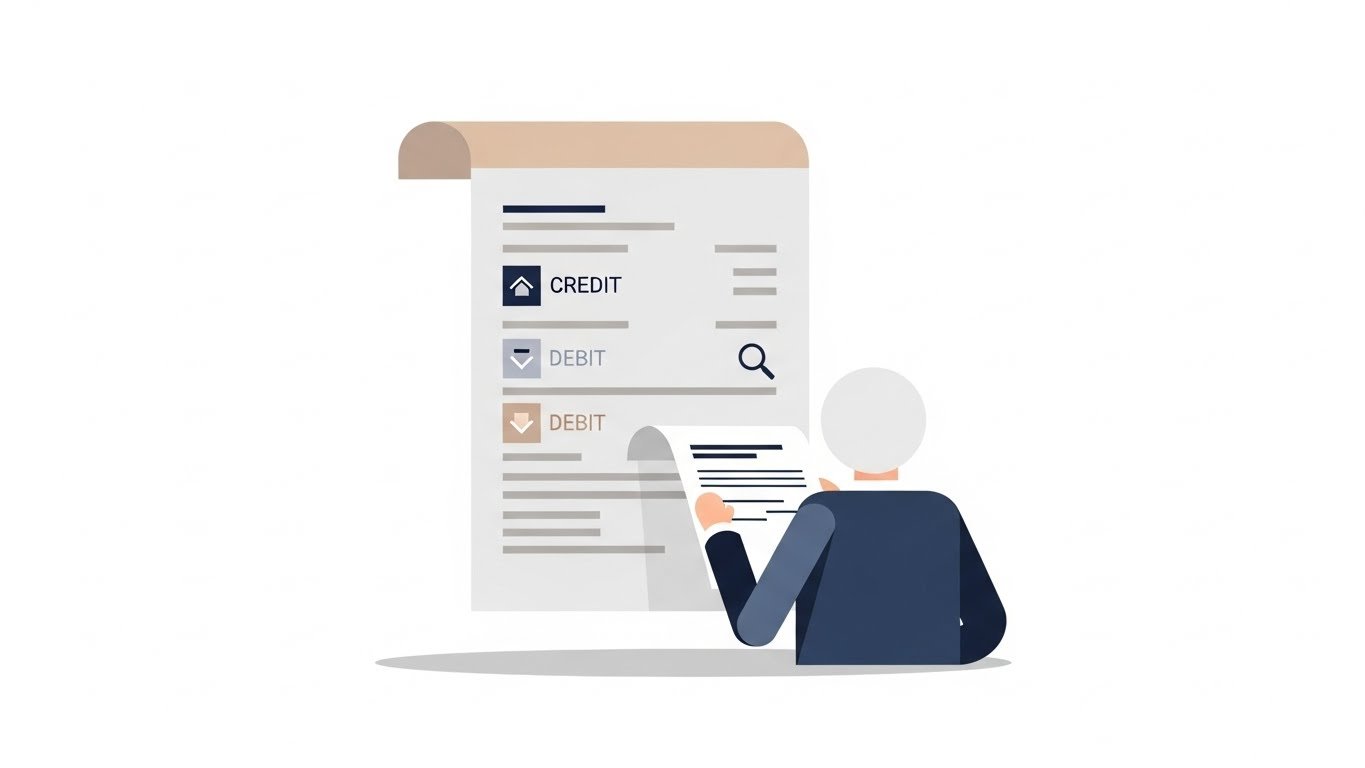
- Review account terms at least twice a year
- Enable alerts for balance and fee changes
- Consolidate accounts when possible
- Maintain buffers above minimum thresholds
- Compare alternative banking options
Proactive monitoring prevents surprise costs.
Why This Trend Matters in 2026
As banks become more selective, the gap between low-cost and high-cost banking widens. Customers who adapt benefit from stability and lower fees, while others pay more simply for inattention.
The Key Takeaway
Banking terms in 2026 are not static. Consumers who regularly review accounts and respond to changes early can avoid unnecessary fees and maintain better control over cash flow.