
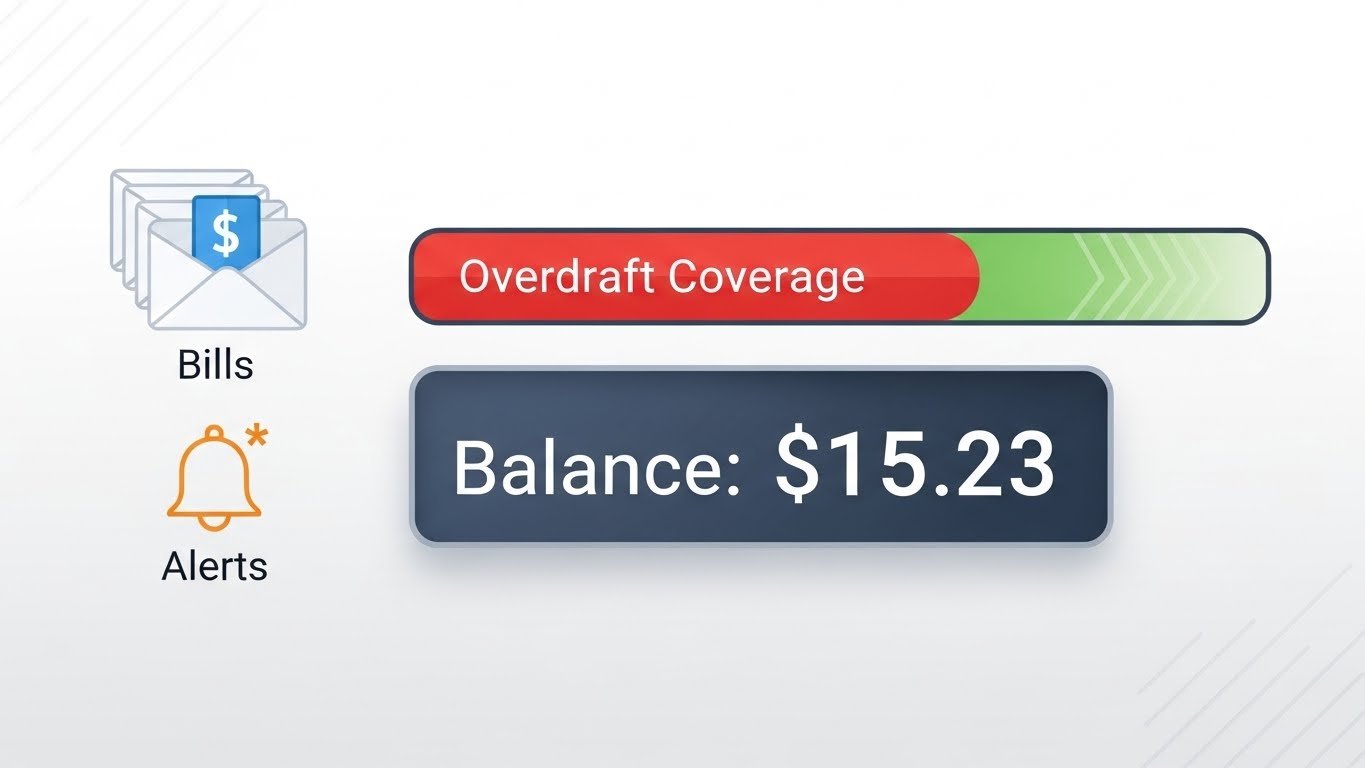
In 2026, many U.S. bank customers are discovering that their checking accounts no longer offer the same overdraft flexibility they once did. Overdraft limits are being reduced, fees are triggered faster, and automatic coverage is disappearing in some cases — often without prominent announcements.
This matters now because tighter cash flow and higher everyday expenses mean more households are operating closer to zero. When overdraft cushions shrink, small miscalculations can lead to immediate fees or declined transactions.
Why Banks Are Cutting Overdraft Exposure
Banks are reassessing overdraft risk due to:
- Higher compliance and consumer-protection scrutiny
- Increased losses tied to frequent overdrafters
- Pressure to simplify fee structures
- Automated risk scoring at the account level
Reducing limits lowers bank exposure and operational risk.
What’s Actually Changing in 2026
Customers are seeing:
- Lower or eliminated overdraft limits
- Faster fee assessments after negative balances
- Fewer grace periods
- More transactions declined instead of covered
These changes vary by bank and account history.
How Overdraft Decisions Are Made
Overdraft coverage is increasingly determined by:
- Account balance volatility
- Frequency of past overdrafts
- Deposit regularity
- Recent account activity patterns
Automated systems adjust limits dynamically, not annually.
Who Is Most Affected
The impact is greatest for:
- Households with irregular income
- Customers living paycheck to paycheck
- Accounts with past overdraft usage
- Users relying on overdraft as short-term credit
What once felt like a safety net now carries higher risk.
Why Fees Can Add Up Faster
With reduced limits and shorter grace periods, multiple transactions can trigger:
- Repeated overdraft fees
- Returned payment fees
- Service interruptions
The cumulative cost can exceed the original shortfall quickly.
How Overdraft Changes Affect Daily Spending
Reduced overdraft flexibility can:
- Cause declined payments for essentials
- Disrupt automatic bill payments
- Push consumers toward high-interest credit
- Increase short-term financial stress
Planning buffers becomes more important.
What Customers Can Do to Reduce Risk
Practical steps include:
- Setting low-balance alerts
- Linking savings accounts for transfers
- Adjusting bill payment dates
- Keeping small cash buffers
- Reviewing overdraft opt-in settings
These actions reduce surprise fees.
Why This Matters for Financial Stability
Overdrafts disproportionately affect lower-income households. As limits shrink, proactive account management becomes a key part of maintaining stability.
What to Watch Going Forward
Consumers should monitor:
- Account notices and policy updates
- Changes to fee disclosures
- Transaction decline patterns
- Bank communications about coverage
Early awareness prevents disruption.
Key Takeaway
In 2026, overdraft protection is no longer guaranteed or generous. U.S. bank customers who understand changing limits and adjust account management can avoid costly fees and payment disruptions.