Wages Are Rising in 2026 — But Many American Workers Still Feel Behind
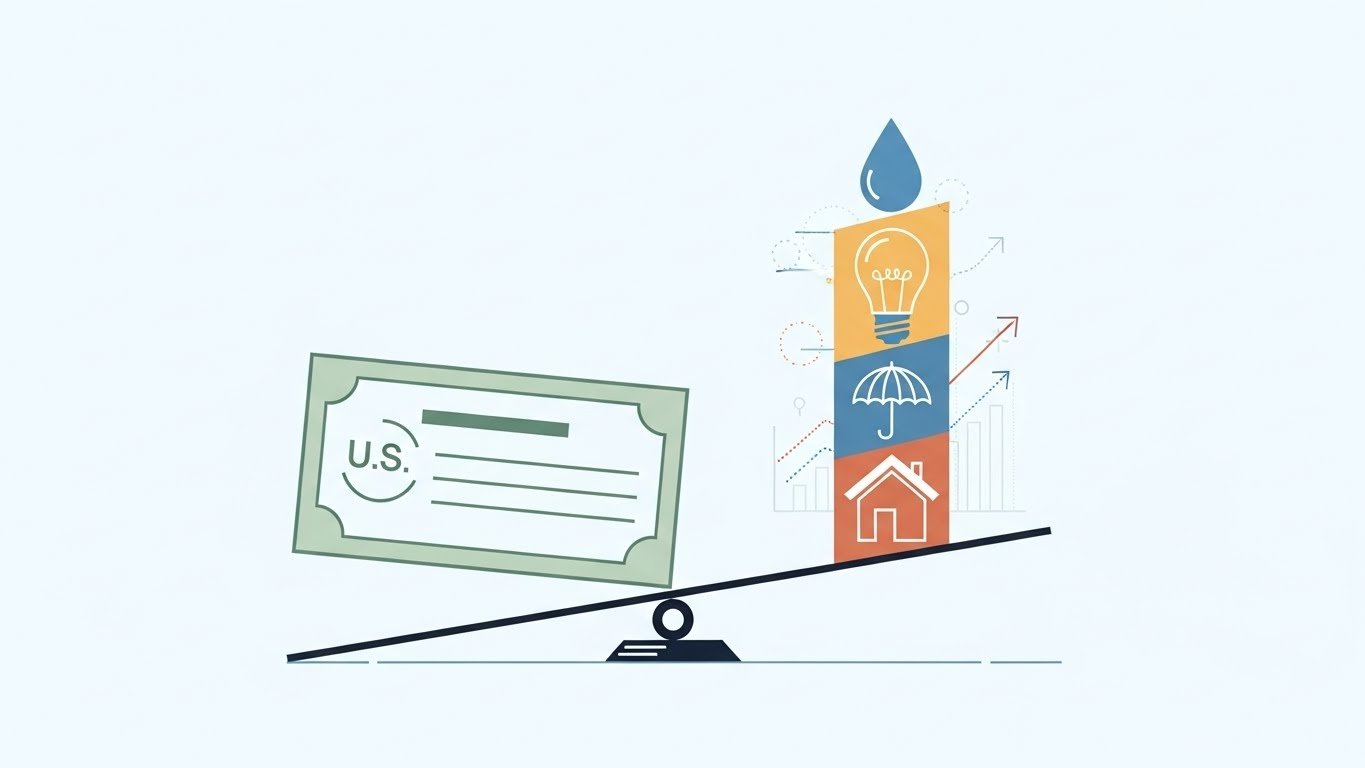
In 2026, wage growth remains a frequent headline. Yet for many American workers, paychecks don’t feel meaningfully stronger. The gap between nominal wage increases and real purchasing power continues to shape household decisions across the U.S. This matters now because higher fixed costs and interest rates are absorbing raises quickly, leaving less room for savings … Read more

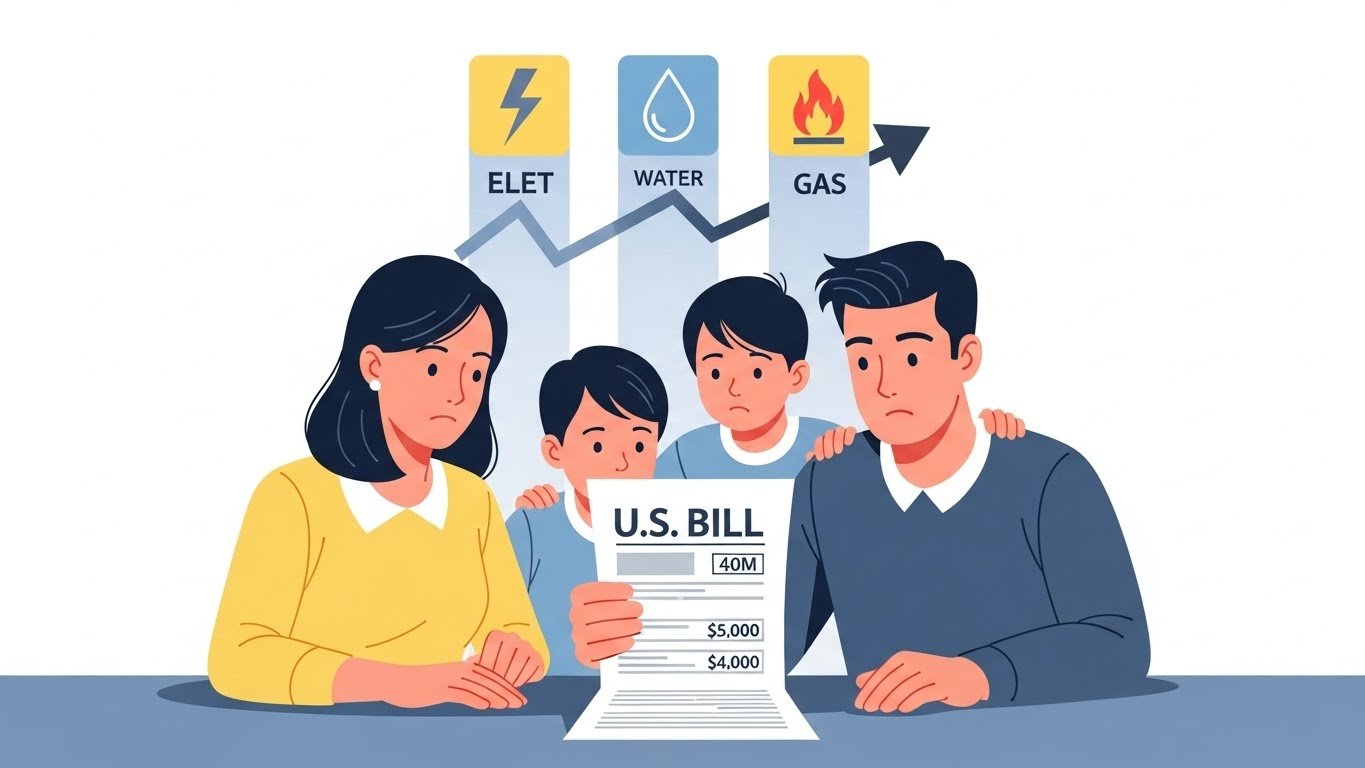
Millions of Americans May Lose Benefits in 2026 — Here’s What’s Changing and Who Is Affected

In 2026, government benefit programs across the United States are undergoing quieter but stricter eligibility reviews. Many recipients are discovering reductions, pauses, or full suspensions of benefits — often without warning. This matters now because improved data matching and automated reviews are accelerating how quickly income and household changes affect eligibility, especially for working families … Read more

Utility Bills Are Rising Faster in 2026 — What’s Driving the Increases for U.S. Households

Utility bills are becoming a growing pressure point for American households in 2026. Electricity, natural gas, water, and waste services are all trending higher in many regions, often without dramatic headlines or clear explanations. This matters now because utilities are non-negotiable expenses. When they rise, families must adjust elsewhere — often turning to credit or … Read more

Americans Are Cutting Discretionary Spending in 2026 — Here’s What That Signals About Confidence

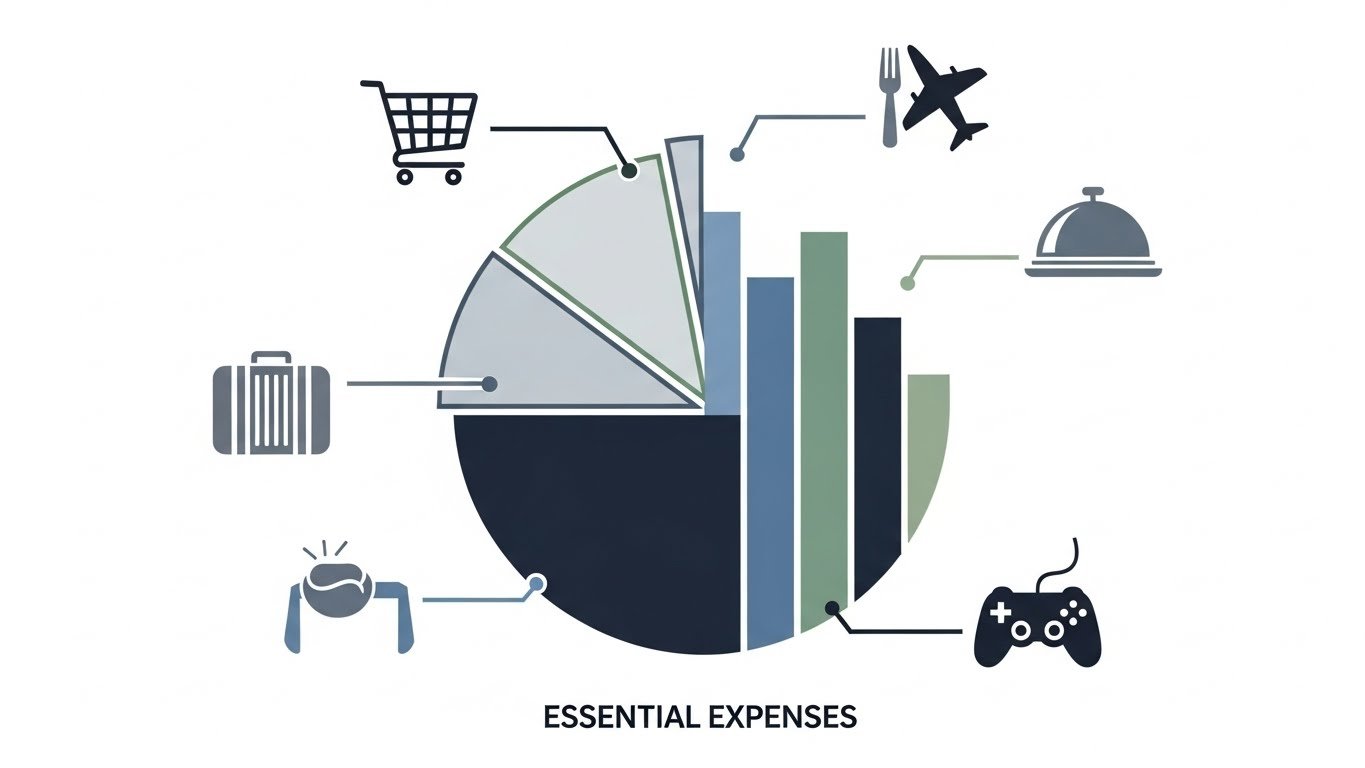
In 2026, U.S. consumers are still spending — but not the way they used to. Discretionary spending is being trimmed quietly as households reassess priorities amid higher costs and uncertain economic signals. Travel upgrades, dining out, entertainment, and non-essential purchases are increasingly delayed or scaled back. This shift offers a clearer window into consumer confidence … Read more

Credit Is Getting More Expensive in 2026 — Even Without Big Rate Hikes

Many consumers expected credit costs to stabilize in 2026. Instead, borrowing is quietly getting more expensive. Even without headline rate increases, banks and lenders are raising the real cost of credit through fees, tighter terms, and internal pricing changes that rarely make the news. For households relying on credit, the difference shows up month after … Read more

Cost of Living Gaps Are Widening in 2026 — Some Cities Are Getting Cheaper While Others Aren’t

The cost of living in the U.S. is no longer rising evenly. In 2026, differences between cities are becoming more pronounced, reshaping where people choose to live and work. While some metro areas are stabilizing or even easing, others continue to see sharp increases in everyday expenses. These gaps are influencing housing, employment decisions, and … Read more

Salary Negotiations Are Back in 2026 — Here’s Why Timing Matters More Than Ever

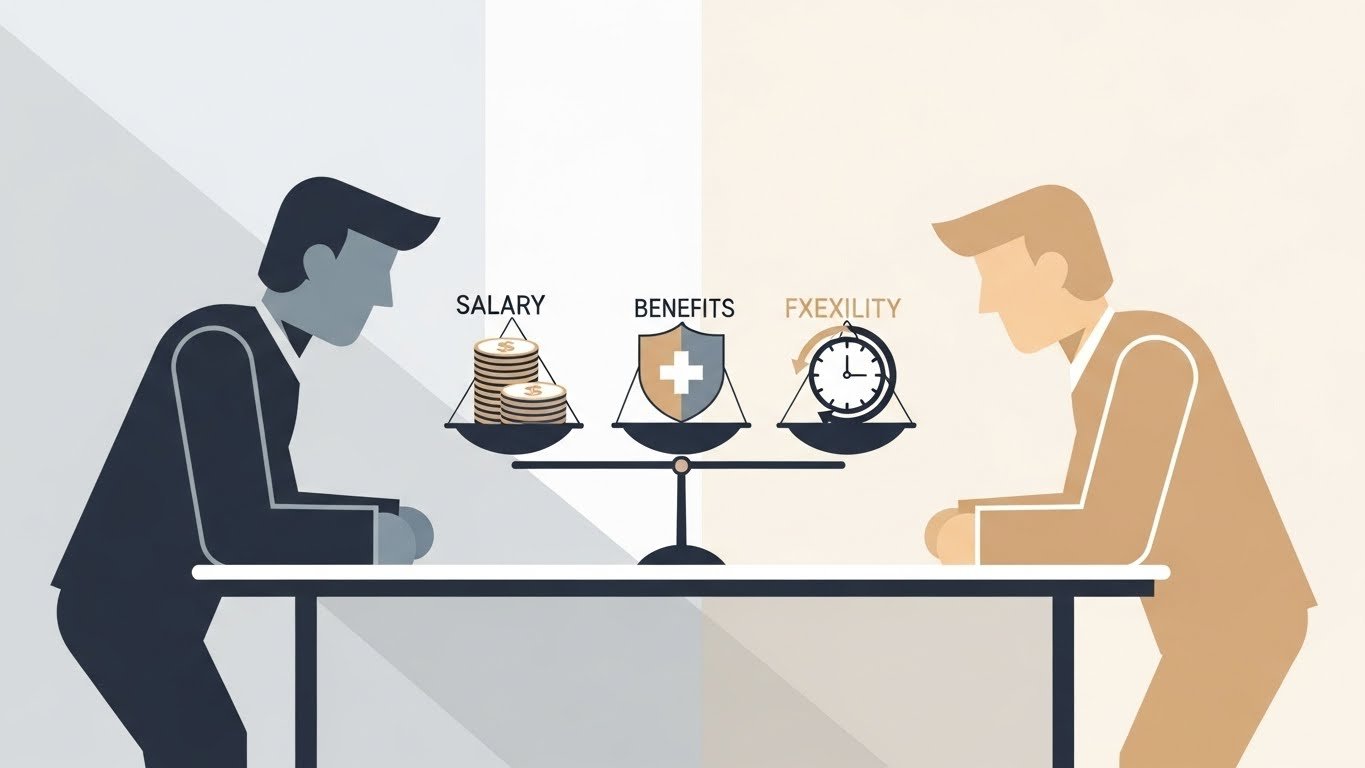
After years of uneven wage growth, more U.S. workers are renegotiating pay and benefits in 2026. Inflation pressure, shifting labor demand, and tighter hiring have changed how employers respond — making timing and preparation more important than confidence alone. For many employees, negotiation outcomes now shape long-term income more than annual raises. Why Negotiations Are … Read more

Auto Loan Rules in 2026 Are Quietly Raising Borrowing Costs — Here’s What Buyers Miss

Buying a car in 2026 has become more expensive in ways that aren’t always obvious. Beyond vehicle prices, lenders are tightening auto loan terms, adjusting approval standards, and extending loan lengths — increasing the total cost of ownership for many buyers. For consumers, the financing structure now matters as much as the sticker price. What’s … Read more

Variable Interest Rates in 2026 Are Becoming Riskier — Here’s Who Should Act Now

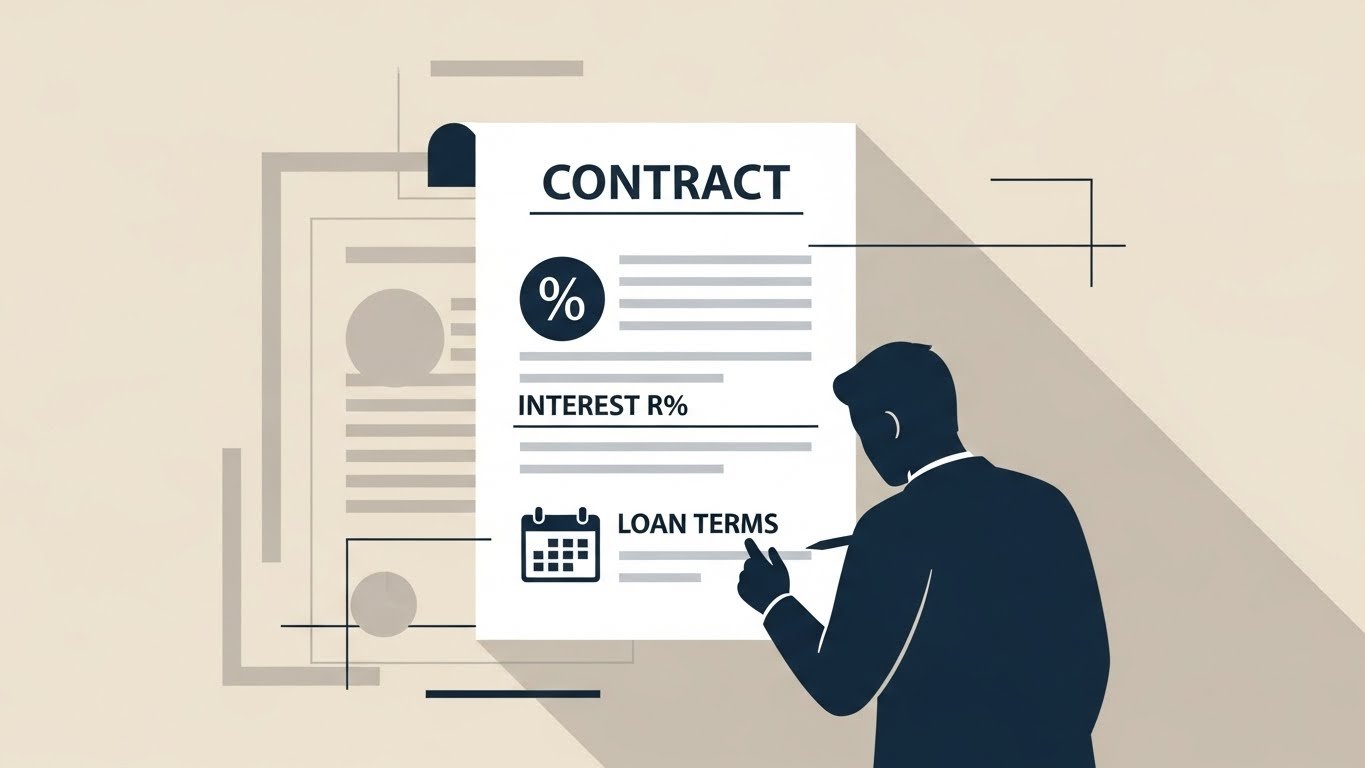
Variable interest rates are back in focus in 2026. As rate expectations shift and volatility persists, borrowers tied to variable-rate products are seeing payments change faster — and sometimes more sharply — than anticipated. For households, understanding exposure is critical before costs compound. Why Variable Rates Are More Unpredictable Several forces are increasing volatility: What … Read more

Millions May Lose Government Benefits in 2026 — Here’s Why Eligibility Is Changing

Government benefit programs in the U.S. are undergoing quiet but meaningful adjustments in 2026. While benefits are not disappearing, eligibility rules, income thresholds, and verification processes are tightening — causing some recipients to lose access or receive reduced payments. For households that rely on these programs, understanding the changes is critical. Why Eligibility Rules Are … Read more