What Is the Debt-to-Income Ratio — And Why It Matters in 2025

Key Takeaways The debt-to-income ratio, commonly referred to as DTI, compares a borrower’s monthly debt obligations to their gross monthly income. It is one of the most widely used metrics in U.S. lending decisions. The concept matters now because higher interest rates have increased monthly payments across mortgages, auto loans, and consumer credit. Even without … Read more


Are Personal Loans Becoming More Common? Here’s What Recent Data Suggests

Key Takeaways The question has gained attention as lenders report a rise in personal loan applications across several U.S. markets. These products, once primarily used for large one-time expenses, are playing a broader role in household finances. Recent data suggests two forces at work. Some borrowers are using personal loans to consolidate higher-interest credit card … Read more

Why Student Loan Payments Are Changing for Millions of Borrowers This Month

Key Takeaways Recent updates to federal student loan servicing have begun to change how payments are calculated and collected for millions of borrowers. The shifts are not tied to new legislation, but to administrative adjustments now taking effect. What has drawn attention this month is the timing. As servicing systems implement updated repayment rules and … Read more

Think of Household Debt Like a Lease — Here’s Why It Can Feel Heavier Over Time

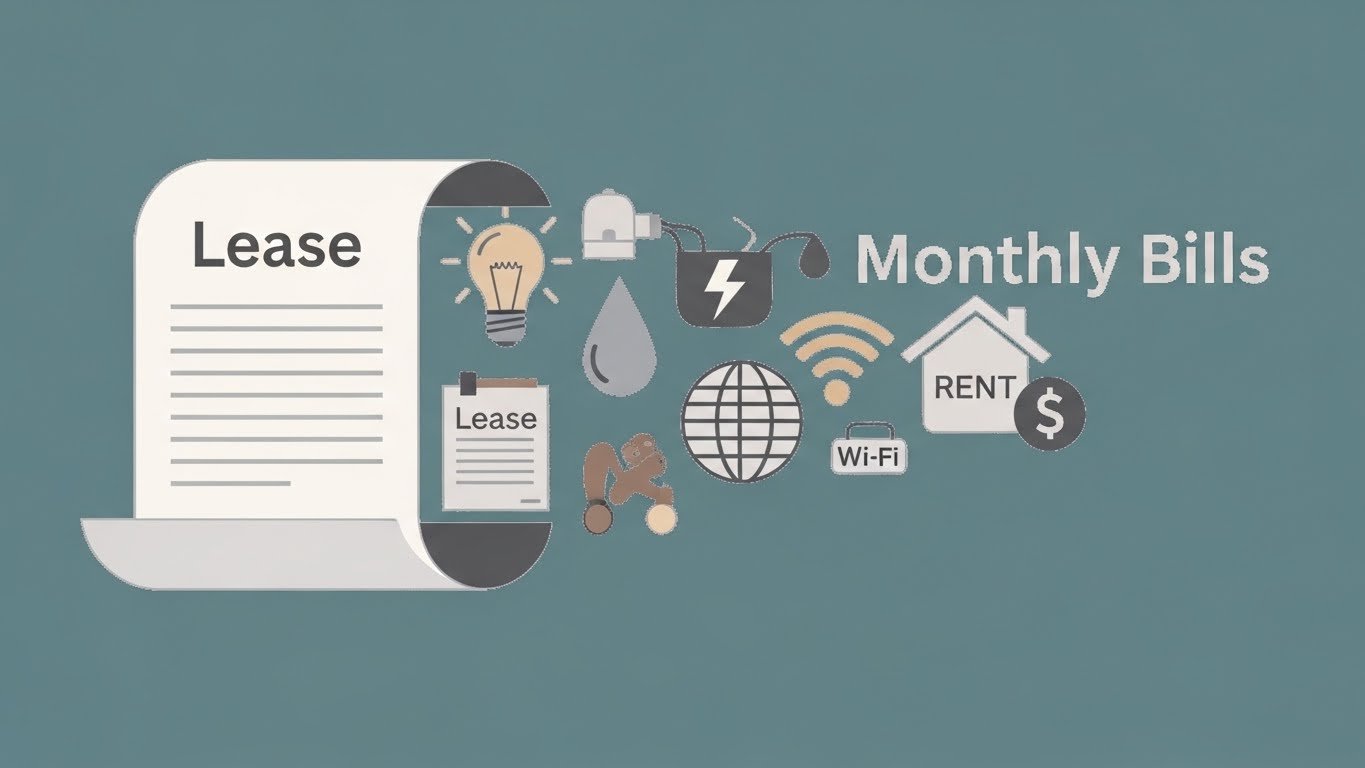
Article: Key Takeaways Think of household debt like a lease agreement. The payment stays the same, but your ability to afford it depends on what else changes around it. This analogy helps explain why many households feel more strained even without taking on new debt. When wages grow slowly and prices stay elevated, fixed payments … Read more

Americans Are Juggling Multiple Small Loans in 2026 — Here’s Why It’s Becoming Risky

In 2026, many American households are carrying several small loans at once. Individually, these balances look manageable. Together, they create a web of obligations that quietly strain monthly budgets. This matters now because short-term and installment lending has become easier to access — but harder to track. The cumulative effect often goes unnoticed until cash … Read more

Personal Loan Approvals Are Getting Harder in 2026 — Here’s What Lenders Are Looking For

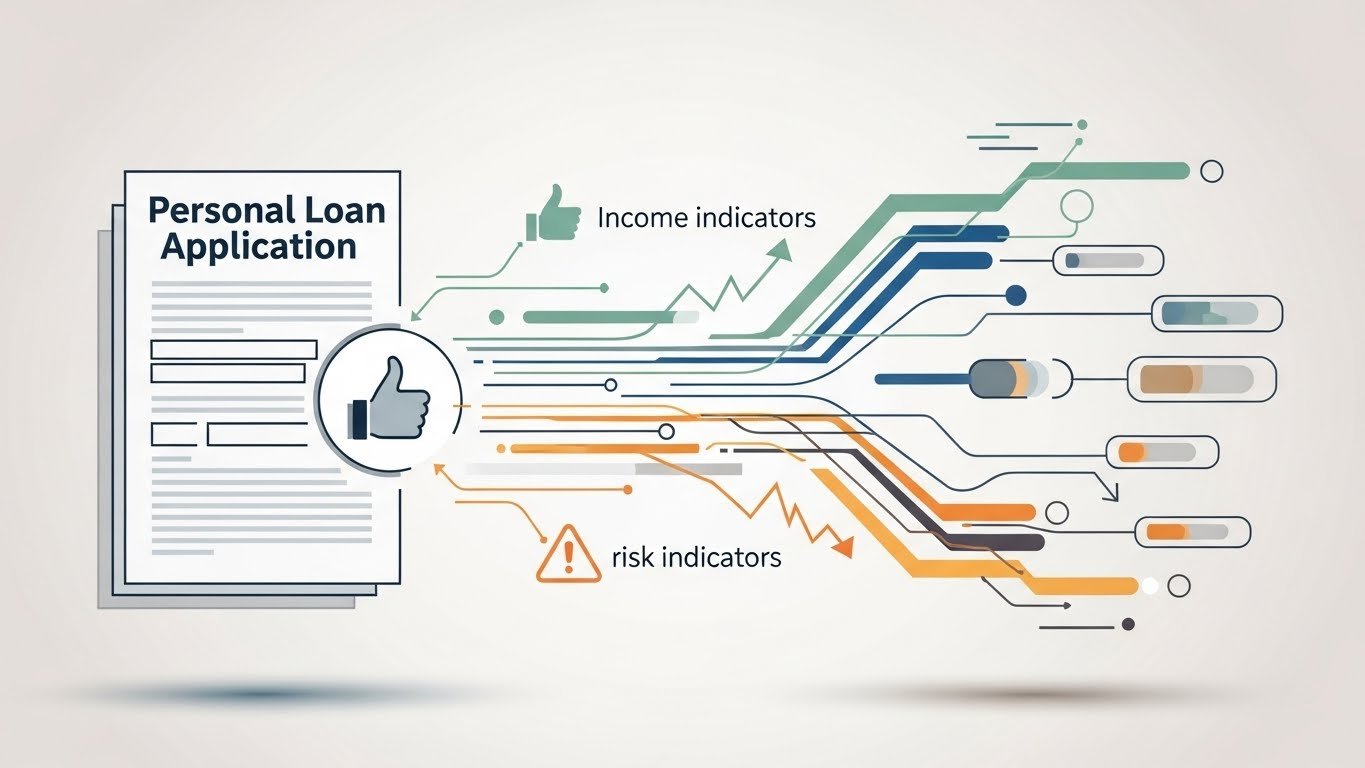
Personal loans were once an easy way to consolidate debt or cover large expenses. In 2026, approvals are more selective, rates are higher, and loan terms are stricter — even for borrowers with decent credit. This matters now because more U.S. households are turning to personal loans as credit card costs rise, only to face … Read more

Buy Now, Pay Later Is Growing Fast in 2026 — but the Hidden Costs Are Catching Up

Buy now, pay later (BNPL) services continue to expand in 2026, offering consumers an easy way to spread payments without traditional credit checks. While the appeal is obvious, the long-term financial impact is becoming harder to ignore as missed payments, fees, and budget strain increase. For many users, BNPL feels harmless — until it isn’t. … Read more

Student Loan Payments Are Straining Budgets in 2026 — Even for Longtime Borrowers

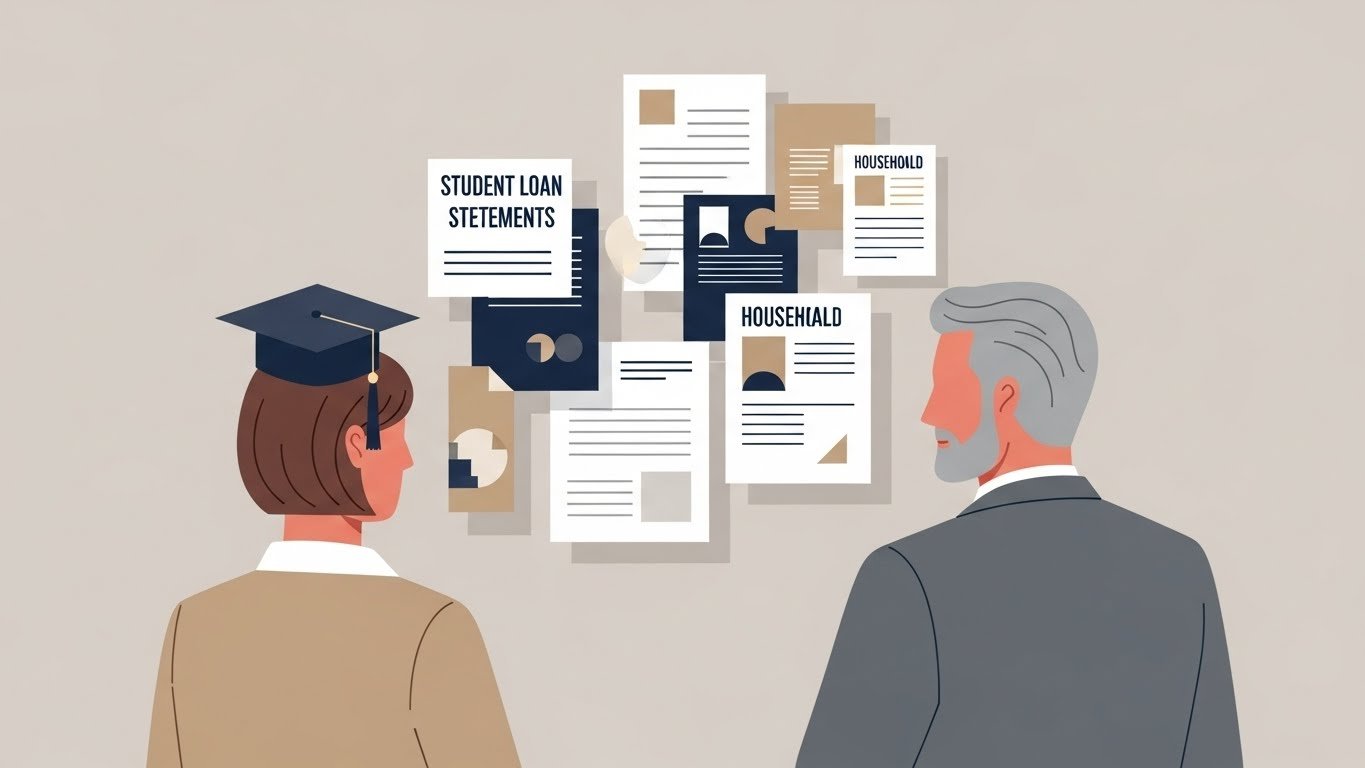
Student loan debt remains a persistent financial burden in 2026, not only for recent graduates but also for borrowers who have been repaying for years. Higher interest costs, tighter household budgets, and limited flexibility are making monthly payments harder to absorb — even without changes to loan balances. For many households, student loans are now … Read more

Personal Loans Are Harder to Get in 2026 — Here’s Who Still Gets Approved

Personal loans are no longer the easy-access financial tool many consumers relied on in the past. In 2026, lenders have quietly tightened approval standards, reduced loan amounts, and increased interest rates — reshaping who qualifies and at what cost. For borrowers, understanding these shifts is critical before applying. Why Lenders Tightened Personal Loan Rules Several … Read more

What Happens If You Miss a Loan Payment in 2026 — Fees, Credit Damage, and What to Do Next

Missing a loan payment in 2026 is more expensive and more consequential than many borrowers expect. As lenders tighten policies and automate risk controls, even a single missed payment can trigger fees, higher interest costs, and long-term credit damage. Understanding what happens — and how fast — is critical to minimizing financial fallout. This guide … Read more