Why Saving Money Feels Harder Even When You’re Earning More

Many households are earning more than they did a few years ago, yet saving still feels frustratingly difficult. This article explains why higher income does not always translate into higher savings, how everyday costs and financial habits interact, and what this says about the current cost-of-living environment. Key Takeaways Why this feels so common right … Read more


Why Consumer Spending Still Holds Up — And Where the Limits Are

Key Takeaways Recent reporting continues to show U.S. consumer spending holding up better than expected, even amid tighter financial conditions. This resilience is often linked to pent-up demand, a concept describing delayed consumption after periods of constraint. Pent-up demand allows households to resume spending once conditions normalize. However, it is inherently temporary. Once delayed purchases … Read more

Does Slower Global Growth Mean Households Will Feel It Soon? Here’s What the Data Shows

Key Takeaways Recent headlines pointing to slower global growth have raised concerns about spillover effects on household finances. While global conditions matter, the transmission is rarely immediate. Households feel global slowdowns indirectly—through trade exposure, corporate investment decisions, and eventually labor markets. Domestic conditions often buffer these effects at first. In many cases, slower global growth … Read more

Does a Resilient Economy Mean Families Are Secure? Here’s What the Data Shows

Key Takeaways Recent coverage often describes the economy as resilient, citing steady employment and continued spending. But resilience measures momentum, not security. Household security depends on buffers: savings, manageable debt, and predictable expenses. Elevated baseline costs reduce these margins even when income is steady. Families may sustain activity while feeling constrained. Resilience also reflects adaptation. … Read more

Think of Inflation Like Stored Tension — Here’s Why Relief Takes Time

Key Takeaways Inflation is often discussed as a rate, but it behaves more like stored tension. When prices rise over time, pressure accumulates in household budgets. When inflation slows, that tension stops building—but it does not automatically release. This analogy helps explain why inflation relief often feels delayed. Prices reset higher during inflationary periods. Once … Read more

Think of Income and Costs Like Parallel Treadmills — Here’s Why

Key Takeaways Household finances increasingly resemble two parallel treadmills: one representing income, the other representing costs. Both are moving, but not necessarily in sync. When wages rise after a period of inflation, households often find themselves running faster just to keep pace. Income growth restores balance rather than creating surplus. This dynamic explains why progress … Read more

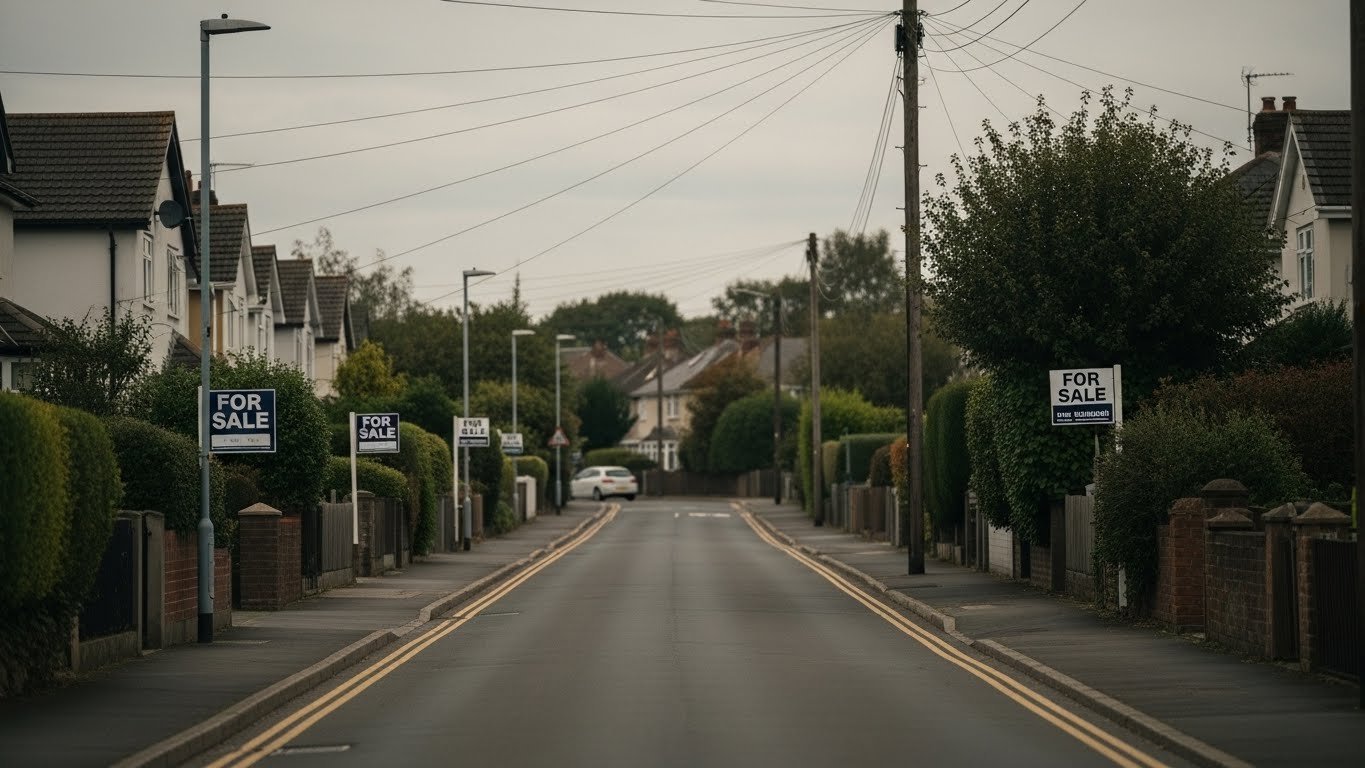
Why the Housing Market Still Feels Frozen Right Now

Key Takeaways Recent data shows that the housing market remains subdued, even without new interest rate increases. Sales volumes are low, inventory is tight, and both buyers and sellers appear hesitant. This standoff reflects a combination of financial and behavioral factors. Homeowners with low-rate mortgages are reluctant to sell and reset financing at higher rates. … Read more

Is It a Good Time to Finance a Home? Here’s What the Data Shows

Key Takeaways Higher mortgage rates have led many households to question whether financing a home still makes sense. The answer depends less on market timing and more on individual financial stability. Rates influence monthly payments directly, shaping affordability even when home prices stabilize. For some buyers, waiting improves flexibility; for others, stability matters more than … Read more

Should You Use Credit Cards for Everyday Expenses? Here’s What the Data Shows

Key Takeaways Using credit cards for everyday expenses has become more common, especially as costs rise. For many households, cards function as payment tools rather than borrowing instruments. The impact depends on payment behavior. Paying balances in full limits interest costs, while carrying balances increases long-term expense. Data suggests many consumers use cards to manage … Read more

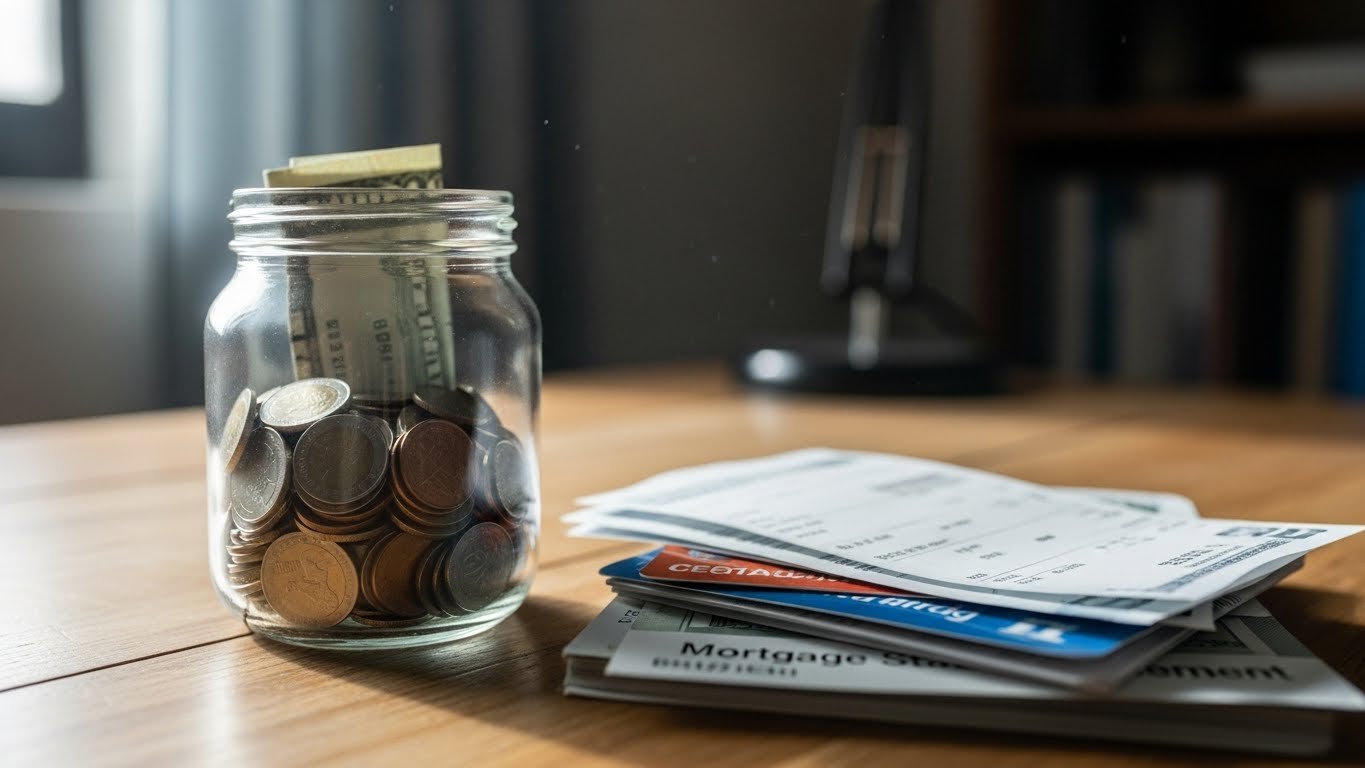
Is It Still Possible to Save Money Today? Here’s What the Data Shows

Key Takeaways Rising living costs have led many households to question whether saving money is still realistic. The answer depends less on interest rates and more on cash flow and expense structure. For many families, saving now happens in smaller increments or intermittently rather than consistently. Stability, not accumulation, has become the immediate goal. Higher-income … Read more